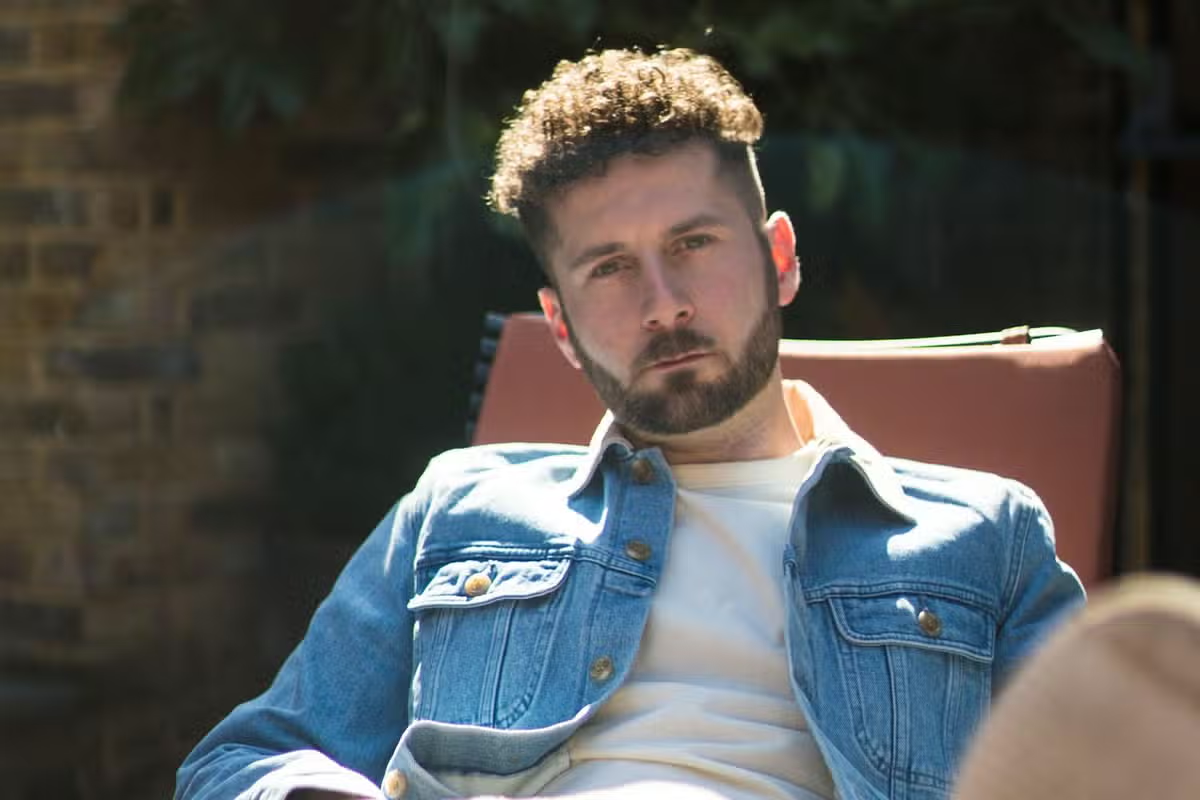
DJ/producer Rebūke releases a refreshing, melodic techno remix of deadmau5’s iconic track “Not Exactly” on mau5trap. This version brings a modern twist to the original with deep, pulsating synths and shimmering soundscapes, elevating the classic for today’s dance music enthusiasts.
For the first time in 17 years, mau5trap has endorsed an official remix of “Not Exactly,” a track that has seen interpretations from artists like Peter Gelderblom and Jean-Claude Ades. Originally a 2007 single, it featured on deadmau5’s third album “Random Album Title” and became a notable success, winning a Beatport Music Award for Best Single. This track returns to the spotlight with a vinyl reissue of the album this spring.
Rebūke’s career has been marked by significant achievements including a two-month top position on Beatport with “Along Came Polly” and a successful release under the Afterlife label titled “Syren.” His portfolio includes remixes for renowned artists like Chris Lake and Fatboy Slim. Upcoming, Rebūke will perform at the renowned Coachella festival on consecutive Saturdays, April 13 and 20, spotlighting his remix of one of dance music’s notable tracks. Fans can follow Rebūke’s updates and releases through his official social media platforms.
Meanwhile, deadmau5, known professionally as Joel Zimmerman, continues to be a dominant force in electronic music. His spring schedule includes headlining performances at the Hollywood Bowl in Los Angeles and the Brooklyn Mirage in NYC, celebrating his 25-year career with ‘retro5pective’ shows. Deadmau5’s enduring influence in the industry is underscored by his extensive discography and successful collaborations, including his recent venture with Kaskade in the Kx5 project.
HARBER has just dropped his latest single, “Caught In A Rhythm,” through the acclaimed label Lowly, signaling a fresh and exciting chapter in his career. Teaming up with talents like NISHA and Luke Alexander, HARBER has crafted what could easily become this season’s dance anthem. The track stands out beautiful melodies, moving words, and an overall catchy feel. HARBER’s production shines throughout, featuring an anthemic vibe, a contagious bassline, and groovy riffs that culminate in a hands-in-the-air drop.
Hailing from New York City, HARBER has made quite the splash since his Billboard-charting debut. His influence stretches across Spotify’s editorial playlists and major radio stations like SiriusXM BPM, underscoring his growing impact on the scene. His sound is not just catchy but also finely tuned to the dynamics of today’s dance floors, earning him features in top-tier publications such as Forbes, Us Weekly, and People Magazine.
With each release, HARBER continues to hone his craft, delivering tracks that resonate with both die-hard fans and newcomers alike. His trajectory in the EDM world is not just about the music itself but creating moments and memories, one song at a time.
Dive in below to engross yourself in fresh new music that has been released today, you might even find your newest favourite!
John Summit – EAT THE BASS [Experts Only]
Before he graces multiple stages at Coachella, John Summit drops brand new house goodness with ‘EAT THE BASS’. Summit return to the underground house vibe that skyrocketed him to one of the most prominent names in the DJ world.
FOVOS – The Less I Know The Better [CLUBWRK]
‘The Less I Know The Better’ is the follow up single from New Zealand duo FOVOS, whose breakout success ‘Lollipop’ dominated the dance world in 2023, accumulating over 20 million streams. The new single features an interpolation of Tame Impala’s song of the same title, adding a trademark FOVOS techno twist for the ultimate late-night hit.
Kasablanca & Lane 8 – Remission [Anjunabeats]
With half of Kasablanca awaiting full cancer remission results after a brave battle, they teamed up with Lane 8 for ‘Remission’. The touching record was debuted through an emotional Ultra performance last month and is certainly a must-listen.
Mesto – Breathe [STMPD]
Mesto continues his run on STMPD with a bouncy new one ‘Breathe’. The Dutch talent perfectly showcases his sound in this epic offering. Together with a top vocal, this is one of Mesto’s best.
Alok, Tazi & Samuele Sartini feat. Amanda Wilson & YORK – Seek Love (On The Beach) [Sony]
Beginning as a bootleg many years ago, Tazi links with Alok to make his new take of both ‘Seek Love’ and ‘On The Beach’ official! Mixing both record creates a brand new feel that is further pushed with heavy drops. This one has terrific potential.
Le Youth, Forester & Lyrah – Stay Still [This Never Happened]
Le Youth and Forester link for the first time with the wonderful ‘Stay Still’. Lyrah brings her beautiful touch to the record, which is another stunning melodic production on Lane 8’s This Never Happened.
Stripclub – My Bad [CLUBWRK Deep]
Belfast duo Stripclub return to CLUBWRK Deep with this high energy, catchy groove titled ‘My Bad’. This hugely underrated production outfit have been releasing quality releases over the past 2 years and it’s only a matter of time before the dance world wakes up to Stripclub.
Sian makes a striking return, showing off what he has been up to with “The Abyss,” an EP that serves as a prelude to his eagerly awaited album scheduled for later this year. This release highlights his path through techno and melodic house, featuring an original track alongside a DJ Hell remix – from the very first moments, it sucks you and leaves you wanting more.
Sian’s tour across the United States, from January to June, is set to be an exploration of his musical core, giving a glimpse into his creative process and artistic vision. His continuous efforts not only bridge the gap between the underground and mainstream but also affirm the man is living legend of sorts and here to stay.
His unique sound and dynamic live shows have drawn global attention, consolidating his role as a key influencer in club culture and the wider music scene. Hailing from Ireland with his musical roots deepened in Spain, he has honed his skills across various domains as a musician, DJ, visual artist, and head of a record label.
The year 2024 marks a crucial point in Sian’s career, with a lineup of strategic releases and partnerships. Starting the year with a remix for Armada, he continued with collaborations with Joris Voorn’s Spectrum and Artbat’s Upperground, leading up to a Kompakt remix and his LP debut in May. The man stays busy, make great sounds given the genres he focuses on, and always returns to give more to the people.
Lets paint a vivid picture of the electrifying spectacle that is Elements Music Festival 2024! Nestled amidst the serene beauty of Long Pond, Pennsylvania, on the sprawling grounds of the Poconos Racetrack, this festival is nothing short of extraordinary. Now, when you think of a festival on a racetrack, you might imagine it confined within the speedway’s boundaries. But not Elements. Oh no, this festival dared to be different. It embraced the natural world, setting up camp outside the raceway, offering attendees a truly immersive, nature-inspired experience.
This event is renowned for its eclectic mix of musical genres, captivating art installations, and thematic brilliance centered around the elements of nature. Picture this: Earth, Water, Air, and Fire — the classical elements — serving as the guiding inspiration for various stages, art installations, and activities throughout the festival grounds. It’s a harmonious fusion of music and nature, where attendees can lose themselves in the rhythm of the elements.
At Elements Music & Arts Festival, diversity is the name of the game. Multiple stages cater to a spectrum of musical tastes, from pulsating electronic beats to soul-stirring live performances. The aim? To create an inclusive space where every reveler can find their groove.
But wait, there’s more. This festival isn’t just about the music; it’s an immersive journey of the senses. Think towering sculptures nestled within the forest, captivating visual art displays, fiery performances, and water features that mesmerize. It’s a feast for the eyes and the soul, where every corner holds a new surprise.
Vibe Village
Gather ’round, adventurers! Join us on an exclusive group camping journey tailor-made for you and your tribe of 10 or more friends, where priority camping and thrilling perks await. Prepare to dive headfirst into the enchanting world of the festival, where creativity, authenticity, and the joy of giving reign supreme within your very own dedicated space.
Embrace the magic of the Elements story as you immerse yourselves in a community-driven atmosphere, where art and adventure intertwine with every passing moment. Together, let’s forge unforgettable memories, strengthen bonds, and revel in the spirit of togetherness as we embark on this epic journey.
The Bizarre
Step into a whimsical realm of sensory delights at The Bizarre, an enchanting village inspired by the eccentricity of Coney Island. Prepare for an immersive experience filled with theatrical performances, captivating art installations, and an exhilarating casino adventure brought to you by Frick Frack Black Jack.
From sideshow spectacles to quirky bars, immerse yourself in a world of playful mischief and boundless entertainment. Let your senses run wild as you explore this fantastical landscape, where every corner holds a delightful surprise and every moment is infused with whimsy.
Healing Garden
Enter The Healing Garden, a tranquil oasis designed to nurture your mind, body, and soul. Here, you’ll discover a sanctuary of transformative wellness practices aimed at guiding you on your journey to holistic well-being.
From rejuvenating yoga sessions to serene meditation experiences, soothing sound baths, and enlightening educational talks, our carefully curated program offers a diverse array of tools to empower our community towards positive and sustainable growth.
Step into this peaceful retreat and embrace the opportunity to reconnect with yourself, find inner balance, and embark on a path towards greater health and vitality.
Neon Forest
As night descends, the forest awakens with a magical glow, as luminescent mushrooms, blooming flowers, and whimsical candy creatures illuminate the landscape, casting an enchanting spell that transports you to another realm entirely. Immerse yourself in this captivating world of radiant wonders, where nature’s illuminated beauty creates an unforgettable spectacle. Prepare to be swept away by the mesmerizing allure of glowing flora and fauna, as you embark on a journey through a realm of illuminated enchantment.
The Fun Box
Prepare yourself for an exhilarating adventure with LazerPantz leading the way as your hosts! Get ready to dive into a whirlwind of fun and games that will leave you exhilarated and entertained.
From lively relay races to captivating talent shows, engaging spelling bees to delightful puppet performances, immerse yourself in a world of unexpected surprises and irresistible entertainment. Our playful lineup is crafted to ignite your inner child and celebrate the extraordinary moments of “real” life. So buckle up and get ready for a journey filled with laughter, excitement, and unforgettable memories!
Roaming Art
Hop on board and prepare for an adventure as you explore the roaming art cars at Elements Festival before they embark on their long journey from the East Coast to the iconic event in the Nevada desert! Wander through the festival grounds to discover these mobile masterpieces, each offering a one-of-a-kind interactive experience that promises to delight festival-goers of all ages. Don’t miss your chance to encounter these moving works of art and immerse yourself in the creativity and innovation they bring to the festival experience.
Epic Stages
Attendees are invited to partake in an unforgettable journey as they experience the most monumental production yet, featuring breathtaking stages and unparalleled epicness. They will immerse themselves in the blazing spectacle of Fire, where double the pyrotechnics await. Journey through the mesmerizing visuals of Earth, chill out amidst the vibe-filled Air in the wooded area, dive into daytime shenanigans at Water, and get wild with bass-heavy beats at the Wub Hub. This is not just a festival; it’s an adventure through the elements, promising excitement and wonder at every turn.
Renegades
At many festivals, the party doesn’t end when the main stages close for the night; instead, it shifts to the campsites where attendees keep the energy alive. While these campsite gatherings are typically organized by festival-goers themselves, Elements Festival took it to the next level by officially curating parties hosted by local collectives throughout the general admission area. This innovative approach provided an extraordinary experience, allowing attendees to seamlessly transition from stage to stage all night long. By prioritizing inclusivity and community involvement, Elements Festival truly goes above and beyond to make attendees feel valued and integrated, setting it apart from other festivals.
SkyDivers
This festival truly knows how to elevate the “wow” factor. Picture this: as the sun dipped below the horizon last year, the sky suddenly came alive with the breathtaking spectacle of skydivers descending from above, casting a spell of awe over the dancing crowd. It was a moment of pure magic, showcasing the festival’s ability to transcend the ordinary and deliver unforgettable experiences. From thrilling aerial displays to captivating performances, this festival goes beyond the realms of art and music, offering a wide spectrum of possibilities for attendees to explore and enjoy.
Delicious Food Vendors
Treat yourself to continuous nourishment at Elements’ thoughtfully selected food stations, featuring a wide range of nutritious choices to revitalize your body. Within our two food court zones, you’ll discover organic, locally-sourced meals, thoughtfully crafted to accommodate vegan and gluten-free preferences. Moreover, we’re committed to sustainability by utilizing recyclable containers and plates, and we offer discounts to guests who bring their own reusable drinking vessels.
Lineup
In conclusion, Elements Music Festival is not just a gathering of music enthusiasts; it’s a journey through the elements, a celebration of creativity, community, and connection. From its diverse lineup of musical genres to its immersive art installations, thematic inspirations drawn from nature’s elements, and innovative approaches to entertainment, this festival sets itself apart as a beacon of excitement and wonder. With each edition, it continues to push boundaries, leaving attendees with memories that linger long after the music fades. Whether you’re dancing under the stars, exploring the enchanted forests, or connecting with fellow revelers in the campsites, Elements Music Festival offers an experience that transcends the ordinary, inviting you to embrace the extraordinary and create memories that last a lifetime.
Welcome to Electric Forest, where the magic of music, art, nature, and community converge in the heart of the forest. Electric Forest is an annual music and arts festival held in Rothbury, Michigan, known for its vibrant atmosphere, diverse musical lineup, and immersive forest setting. Tickets are currently sold out and the festival will be taking place June 20-23, 2024!
As we embark on this journey, let us delve into the essence of Electric Forest, a realm where dreams take flight and spirits unite.
Firstly, let us revel in the kaleidoscope of musical diversity that awaits us. From the pulsating beats of electronic anthems to the soulful melodies of indie ballads, our stages come alive with the sounds of Pretty Lights, The String Cheese Incident, Subtronics, and John Summit, among many others. Prepare to be swept away on a sonic odyssey across genres and rhythms, for their lineup is as diverse as the stars above.
Yet, music is but one facet of our enchanted realm. Behold the immersive art that adorns the forest sanctuary, transforming it into a surreal wonderland of creativity and imagination. From interactive installations to mesmerizing light displays, every corner of our domain pulsates with the energy of artistic expression. As night descends, the forest awakens with a symphony of colors, casting spells of wonder upon all who wander within.
But this festival is more than mere spectacle; it is a sanctuary for the mind, body, and soul. Engage in workshops and activities that nourish your spirit, from yoga sessions to guided meditations, hoop dancing workshops to art classes. Here, amidst the trees, you will find opportunities not only for self-discovery but also for collective growth and exploration.
And what is a festival without its community? Here, amidst the trees, we come together as one, bound by a shared spirit of inclusivity, creativity, and joy. Embrace the freedom to express yourself in all your radiant glory, for Electric Forest is a canvas upon which we paint our dreams, adorned in elaborate costumes, and adorned with the treasures of our hearts.
Yet, let us not forget our sacred bond with nature, for it is here, amidst the rustling leaves and whispering winds, that we find our truest selves. Electric Forest is not just a festival; it is a testament to our commitment to sustainability and environmental consciousness. Through recycling programs, composting, and eco-friendly practices, we honor the earth that sustains us and pledge to tread lightly upon her sacred ground.
And when the night descends and the stars ignite the sky, fear not, for the party has only just begun. Lose yourself in the rhythm of the forest as late-night sets and curated events beckon you to dance until dawn. Here, amidst the shadows and the flickering lights, you will find liberation, joy, and the promise of new beginnings.
As you embark on this journey, let me guide you through the wonders that await.
Electric Forest Press Selects
A Taste Of The Magic:
Unveil the mysteries hidden within the forest domain, where secrets abound in every shadow. Keep watchful eyes as you traverse the grounds, for there lie secret rooms, clandestine parties, and covert stages awaiting discovery. Delight awaits in the form of miniature fairy houses, each harboring treasures to captivate the curious soul. With secrets aplenty, allow yourself ample time to roam, for the journey holds endless surprises.
Embark upon a quest of adventure with the thrilling Scavenger Hunt! Within the depths of the Dream Emporium, awaits the checklist of challenges that promise rewards beyond imagination. Prepare for a whirlwind exploration as you chase elusive prizes across the grounds, forging unforgettable memories with every tick of your list.
Indulge in a moment of pampering within the Hangar, where skilled artisans await to sculpt your locks into works of art. Leave your worries behind as the forest’s gentle touch transforms you into the epitome of festival chic.
Encounter enigmatic figures cloaked in intricate garb, their personas unyielding to the pull of reality. Engage with these mesmerizing actors, for within their guise lies tales of wonder and mystery waiting to unfold.
Bask in the glow of sunny skies, but beware the dust that dances upon the breeze. Shield yourself with a mask as you traverse the grounds, for even amidst the sunshine and rainbows, a veil of dust may cloak the air.
Gather ’round the Giving Tree, a beacon of communal spirit and generosity. Take a token, leave a treasure, and witness the magic that unfolds as offerings exchange hands. Seek out the hidden gems nestled within its branches, for within lies the promise of rare and wondrous delights.
Answer the call of the mysterious telephone hidden amidst the forest’s embrace. Engage in conversations that defy explanation, weaving tales of laughter and intrigue that linger long after the call has ended.
Immerse yourself in the tapestry of art that surrounds our festival haven. Witness the skill of live painters as they breathe life into their canvases, and marvel at the monumental installations that dot the landscape.
Explore the bustling marketplace nestled within our camping grounds, a haven of culinary delights and artisanal treasures. Indulge in unique culinary offerings and peruse the finest wares from our esteemed vendors. Lounge in hammocks, savoring the ambiance as you dine amidst the beauty of our art-filled sanctuary.
Discover the hidden oasis beyond our borders, where laughter echoes upon the waves. Venture forth to the offsite water park, where shuttle awaits to ferry you to a realm of aquatic bliss. Arm yourself with floaties and bathing suits, for adventure beckons upon the sparkling waters beyond.
The newly added Dream Emporium is a Must go to and expect to spend hours in there getting lost in the dreamland.
Electric Forest Press Selects
Getting To The Festival:
Prepare to embark on your Electric Forest journey with ease and grace, as I offer you some insider tips for a seamless arrival:
Firstly, festival-goers are granted entry into the campgrounds starting on Tuesday. To secure the prime camping spot closest to the entrance, consider purchasing a Tuesday arrival ticket. Renegades, take note: these coveted spots lie closest to the entrance, sparing you the lengthy trek that latecomers may endure. Before you make your way to the festival grounds, a nearby Walmart and gas station offer convenient pit stops. Ensure your vehicle is fueled up and ready to roll, sparing you the inconvenience of running out of gas while reveling in the festivities.
As the clock ticks closer to the festival kickoff, anticipate longer wait times as eager attendees flock to the gates. If your journey includes a stop at will call, allocate ample time to navigate this process, as it may lengthen your wait. Rest assured, the entry process is typically smooth sailing, particularly for early birds. However, brace yourself for the Thursday rush, as it tends to be the most chaotic day for arrivals. Plan accordingly to avoid the crowds and streamline your entry experience.
For those traveling from afar, fear not, for shuttle services await to whisk you to and from surrounding airports. Consider opting for one-way or round-trip shuttles for a hassle-free journey. Should you require a rental car, I recommend securing one at the airports for utmost convenience. Keep in mind that the festival website advises limiting belongings to three items per person when shuttling, so plan accordingly to streamline your airport navigation.
With these tips in mind, set forth on your Electric Forest adventure with confidence and excitement, knowing that your journey to the forest oasis awaits, brimming with unforgettable moments and boundless magic.
Once you arrive at the festival, there will be security that will be checking every car for prohibited items. To recap what those items are, please click here to be directed to the website.
Electric Forest Press Selects
Ultimate Camping Guide:
Prepare to make your home under the stars with car camping spots spanning approximately 12’×30′. This generous space accommodates both your camping needs and provides ample room for parking your vehicle within your campsite, ensuring convenience and comfort throughout your Electric Forest experience.
As you settle into your forest abode, remember to prioritize sustainability by packing trash bags and utilizing provided recycling bags to minimize waste. Additionally, safeguard your setup against the whims of the wind by securing your canopy with stakes, ensuring it remains firmly anchored amidst the breeze.
To aid in your preparations, I’ve curated a camping list tailored to the needs of the Electric Forest adventurer. Alongside, you’ll find the festival’s official camping list, serving as comprehensive guides to ensure you have all essentials for a memorable and comfortable stay amidst the enchanting forest landscape.
Click Here to View The Camping List On Their Website
Electric Forest Press Selects
Tips for Surviving The Festival:
Prepare to tread the forest paths with ease and comfort by donning your most comfortable shoes. With miles of exploration ahead, investing in shoe inserts can be a game-changer, offering support and cushioning to keep you going strong throughout the day.
Stay ahead of the game by packing essentials like Emergen-C and Pedialyte to bolster your immune system and replenish vital electrolytes. These simple yet effective measures can help ensure you stay healthy and energized, allowing you to fully immerse yourself in the Electric Forest experience without missing a beat.
Prepare for sustenance on the go by whipping up some pre-made food to stash in your cooler before you embark on your Electric Forest adventure. I highly recommend chicken salad sandwiches – not only are they delicious and satisfying, but they’re also packed with protein to keep you fueled throughout the festivities. Join the ranks of festival-goers who swear by the convenience and nourishment of chicken salad, making it a staple in their Electric Forest experience.
Stay Hydrated!! Make sure to bring a water bottle with you to bring to the festival.
Boost your body’s defenses and maintain optimal hydration by incorporating vitamins and electrolytes into your festival prep. Consider packing immunity-boosting supplements to fortify your immune system against the rigors of the festival environment. Additionally, staying hydrated is key, so be sure to replenish electrolytes regularly to keep your energy levels up and ensure you’re ready to dance the night away.
Prepare for all-day adventures by bringing multiple portable chargers to keep your devices powered up throughout the festivities. A sturdy backpack will prove invaluable for carrying essentials as you navigate between the campsite and the festival grounds, ensuring you’re equipped for the day’s excursions. With the journey between campsite and festival akin to a hike, be ready to spend the entire day within the festival upon your initial entry, maximizing your time immersed in the Electric Forest experience.
Embrace the spirit of camaraderie and connection by welcoming new friendships, particularly with your camping neighbors. The Electric Forest community thrives on inclusivity and warmth, so don’t hesitate to reach out and forge bonds with those around you.
Let your inner light shine brightly as you revel in the freedom to express yourself in all your quirky and whimsical glory. This vibrant environment is a sanctuary for authenticity and acceptance, where being weird and silly is not only encouraged but celebrated. Embrace the opportunity to let loose and fully immerse yourself in the boundless love and acceptance that permeates Electric Forest.
Bring some little knickknacks and toys to give away, trade, or leave at the giving tree!
Remember to enjoy yourself and not get overwhelmed by the heat, crowds, dirt, etc.
Electric Forest Press Selects
Stages:
Prepare to be enchanted by the multitude of captivating stages that await you at Electric Forest. From the grandeur of the main stages to the hidden gems tucked away in the depths of the forest, there’s a world of discovery awaiting your exploration. Keep your senses attuned, for you may stumble upon secret stages hosting unique performances, such as a clandestine burlesque show in a hidden speakeasy. Embrace the thrill of the unknown as you wander through the enchanted forest, where every twist and turn unveils new wonders and surprises beyond your wildest imagination.
Sherwood Court: This main stage is a focal point of the festival, situated within the heart of the Sherwood Forest. It hosts headlining acts and features elaborate production elements, captivating audiences with its grandeur and spectacle.
Ranch Arena: Another primary stage, the Ranch Arena is known for its massive size and impressive production. It plays host to a mix of electronic, jam band, and indie acts, drawing crowds with its powerful sound and immersive visuals.
Tripolee: Catering primarily to electronic music enthusiasts, Tripolee is a high-energy stage featuring a lineup of DJs and producers from various electronic subgenres. Expect pulsating beats and electrifying performances that keep the dance floor packed throughout the night.
The Observatory: Nestled deep within the forest, The Observatory offers an intimate and immersive musical experience. With a focus on underground and experimental sounds, this stage provides a sanctuary for discovery and exploration.
The Hangar: A favorite among festival-goers, The Hangar is a haven for live bands and jam sessions. Its cozy atmosphere and eclectic lineup make it a popular spot for those seeking a more laid-back and intimate musical experience.
The Forest Stage: Tucked away amidst the trees, The Forest Stage hosts a diverse range of performers, from acoustic acts to electronic producers. Its natural setting and intimate vibe create a magical ambiance, making it a beloved destination for music lovers seeking serenity amidst the chaos of the festival.
Electric Forest Press Selects
Art Installations
Electric Forest is renowned for its stunning array of art installations that transform the festival grounds into a mesmerizing wonderland of creativity and imagination. These installations come in all shapes and sizes, ranging from interactive sculptures to immersive light displays, and they serve as focal points for both visual delight and contemplation.
Elsewhere in the forest, you’ll encounter a myriad of interactive art pieces that invite participation and engagement from festival-goers. From towering sculptures that double as climbing structures to whimsical installations that beckon with their playful charm, each piece offers a unique opportunity for exploration and discovery.
But perhaps the most magical aspect of the art at Electric Forest is its integration into the natural environment. Many installations are seamlessly woven into the fabric of the forest, enhancing rather than overshadowing the natural beauty of the surroundings. As day turns to night, these works of art come alive with vibrant colors and dynamic lighting, casting a spellbinding glow upon the forest canopy.
In addition to static installations, Electric Forest also features live art performances and demonstrations throughout the festival. From live painting sessions to spontaneous acts of creativity, these dynamic displays add an extra layer of excitement and energy to the festival experience.
Overall, the art at Electric Forest serves as a testament to the festival’s commitment to fostering creativity, imagination, and self-expression. As you wander through the forest, take time to immerse yourself in the beauty and wonder of these incredible installations, and allow yourself to be transported to a world where art and nature converge in perfect harmony.
Interactive Activities:
Workshops and Classes: Throughout the festival grounds, you’ll find a diverse lineup of workshops and classes covering everything from yoga and meditation to creative arts and sustainability. Join a yoga session to start your day with rejuvenation, or participate in a sustainability workshop to learn how to reduce your environmental footprint.
Live Art: Watch as talented artists create masterpieces before your eyes at live art installations scattered throughout the festival. You can even participate in collaborative art projects, adding your own creative touch to the festival’s vibrant tapestry.
Costume and Theme Days: Embrace your inner creativity by dressing up in elaborate costumes or participating in themed days. Whether it’s dressing as your favorite mythical creature or donning your most outlandish attire, Electric Forest encourages self-expression and individuality.
Silent Discos: Put on a pair of headphones and dance the night away at a silent disco. With multiple channels to choose from, you can curate your own musical experience while grooving alongside fellow festival-goers.
Community Activities: Electric Forest fosters a sense of community through various activities and events. Join a drum circle, participate in a group meditation, or simply strike up a conversation with your fellow festival-goers. You never know who you might meet or what connections you might forge.
Interactive Performances: Keep an eye out for roaming performers and interactive theater productions that pop up throughout the festival grounds. From acrobats and dancers to storytellers and magicians, these performers add an extra layer of magic to the Electric Forest experience.
Dream Emporium: This offers festival-goers an immersive experience beyond music. Paid actors throughout the forest interact with attendees, staying in character to create memorable encounters. This recent addition, formerly known as the “Hangar,” now features grand entrances leading to themed rooms and entertainment. Each room has its own storyline and actors, providing a personalized experience. Access to a secret room is granted to those who complete the scavenger hunt, adding mystery. With its enchanting atmosphere and interactive elements, the Dream Emporium is a highlight of Electric Forest.
Erotic Blueprint Experience : Is a unique opportunity to explore and expand your sexuality in a respectful and consensual environment. Featuring rooms with various sex toys and tools, participants are encouraged to try them out solo or with a partner. This immersive experience fosters open-mindedness and self-discovery, making it both interesting and enjoyable for attendees. With a strong emphasis on respect and consent, it’s a recommended experience for those looking to learn more about their desires and preferences.
Lineup
Electric Forest Press Selects
In conclusion, attending Electric Forest is not simply about witnessing performances or enjoying entertainment—it’s about embarking on a journey of exploration, connection, and self-discovery. Expect to be moved, inspired, and transformed by the myriad of experiences that await you, and allow yourself to surrender to the magic of Electric Forest, where anything is possible, and the unexpected becomes the extraordinary.
It is with great excitement and anticipation to share the thrilling news about the upcoming Sol Fest Music & Arts Festival. As we embark on our third annual edition, slated to take place from Thursday, May 2, to Sunday, May 5, 2024, we are thrilled to announce some remarkable changes that mark the beginning of an exhilarating new era for Sol Fest.
Transitioning from their previous location at Bama Slam Waterpark & Campground in New Brockton, Alabama, Solfest is proud to unveil a fresh locale for the four-day camping extravaganza: Vortex Spring in Ponce de Leon, Florida. This move signifies the commitment to evolving and expanding, ensuring that each year brings a renewed sense of magic and excitement for all who attend.
In their third year, Sol Fest is dedicated to providing an unparalleled experience for our attendees. They are thrilled to offer multiple stages with carefully curated schedules, ensuring that you can enjoy every performance without any overlap. No more agonizing decisions between conflicting sets – at Sol Fest, you can seamlessly immerse yourself in a continuous stream of top-tier music, from start to finish.
But Sol Fest is not just about music; it’s about community, inclusivity, and honoring the spirit of their dear friend Quentin “Sol” Rupp, whose passion for festivals inspired us all. Sol Sunday, our annual memorial segment, is a testament to this ethos, featuring special activities like an interactive sun lantern effigy burn and slideshow, allowing us to pay tribute to our departed loved ones while celebrating the values that define Sol Fest: inclusivity, community, and diversity, including advocacy for women and LGBTQ rights.
In addition to the music, Sol Fest will be a feast for the senses, with live and digital art installations, murals, holographic water screen displays, and therapeutic workshops like breathwork, yoga, and sound healing. Daytime activities and games such as Frick Frack Blackjack, Sonic Portal, disc golf, tie-dying, and body marbling further underscore our commitment to emotional and social well-being. And with over 40 vendors offering food, merchandise, and crafts onsite, there will be something for everyone to enjoy.
But the excitement doesn’t stop there. The Vortex Spring campground offers shaded pine forest glamping and camping options, along with onsite showers, restrooms, and housing. Whether you opt for the standard 4-Day GA Ticket, granting access to festival attractions like waterslides, swimming, and the river float zone, or upgrade to the VIP experience with exclusive perks like access to an indoor lounge with secret sets, VIP viewing at the main stage, and VIP-only restrooms and bar, there’s an option to suit every preference.
And for those seeking the ultimate luxury, our VIP Celestial Camping package offers premium placement, air-conditioned facilities, showers, and beauty vendors near the festival entrance. From basic to luxurious, there’s a camping option for every taste and budget at Sol Fest.
Lineup Deep-Dive
The festival lineup is generating immense excitement, marking it as one of the most anticipated events of the season. With an impressive array of acts scheduled to perform, narrowing down a list of must-see artists to just ten is a daunting task. While every set promises to be extraordinary, this festival offers the rare opportunity to enjoy every performance without any scheduling conflicts. However, if I were to suggest a handful of acts not to miss, they would be:
Is the stage name of American DJ and producer Claude VonStroke, best known for his work in the electronic music scene. Under the Barclay Crenshaw moniker, VonStroke explores a different sonic landscape, focusing on hip-hop and experimental beats rather than the house and techno sound he’s known for under his primary alias.
Barclay Crenshaw’s music often incorporates elements of hip-hop, downtempo, and experimental electronica, showcasing VonStroke’s versatility as an artist. He has released music under this alias, including singles, EPs, and a self-titled album “Barclay Crenshaw,” which was released in 2017.
In addition to his music, Barclay Crenshaw is also known for his dynamic live performances, where he showcases his eclectic style and engages audiences with his distinctive sound. While not as widely recognized as his Claude VonStroke persona, Barclay Crenshaw remains a notable figure in the electronic music community, admired for his creativity and boundary-pushing approach to music production.
ANAHEIM, CALIFORNIA – APRIL 17: CloZee performs at CloZee’s Drive-In Concert At City National Grove Of Anaheim at City National Grove of Anaheim on April 17, 2021 in Anaheim, California. (Photo by Matt Winkelmeyer/Getty Images)
Whose real name is Chloé Herry, is a French electronic music producer and DJ known for her unique blend of world music, bass music, and glitch-hop. She first gained recognition for her intricate and emotive productions, which incorporate a wide range of cultural influences, including traditional instruments and sounds from around the world.
Growing up in Toulouse, France, CloZee began experimenting with music production at a young age and eventually developed her signature style that fuses elements of electronic, organic, and ethereal sounds. Her music often features lush melodies, intricate rhythms, and deep basslines, creating a captivating and immersive sonic experience.
CloZee has released several EPs and albums, including “Revolution” (2013), “Evasion” (2018), and “Neon Jungle” (2020), as well as numerous singles and remixes. She has garnered a dedicated following and has performed at major music festivals and venues around the world, captivating audiences with her dynamic live performances and infectious energy.
Known for her commitment to environmental sustainability and cultural appreciation, CloZee’s music often reflects themes of unity, connection, and respect for the planet. She continues to push the boundaries of electronic music while staying true to her roots and values, making her a beloved figure in the global music community.
Is an American electronic music duo consisting of Adam Deitch and Borahm Lee. The duo is known for their innovative blend of electronic, hip-hop, and jazz influences, creating a dynamic and energetic sound that pushes the boundaries of traditional electronic music.
Adam Deitch, a renowned drummer and producer, brings his expertise in live drumming and electronic production to the duo, while Borahm Lee, a keyboardist and producer, contributes his skills in synthesizers and sound design. Together, they create a rich and diverse sonic landscape that incorporates elements of funk, soul, and experimental electronica.
Break Science has released several albums, EPs, and singles, including “Seven Bridges” (2018), “Grid of Souls” (2016), and “Further Than Our Eyes Can See” (2012). They have collaborated with a variety of artists across genres, including Talib Kweli, Lettuce, and Pretty Lights, further expanding their musical reach and influence.
Known for their electrifying live performances, Break Science combines live instrumentation with electronic beats and improvisation, creating a unique and immersive experience for audiences. They have performed at major music festivals and venues worldwide, captivating fans with their infectious energy and innovative approach to live electronic music.
Is the stage name of Zachary William “Zach” Dess, an American singer, songwriter, and producer known for his distinctive blend of electronic, indie rock, and blues influences. He gained widespread recognition with his breakout single “Go F*** Yourself” in 2016, which showcased his soulful vocals, catchy hooks, and gritty production style.
Hailing from New York City, Two Feet began his music career by self-releasing his early tracks on SoundCloud. His music quickly caught the attention of listeners and industry professionals alike, leading to a record deal with Republic Records.
Following the success of “Go F*** Yourself,” Two Feet released his debut EP “First Steps” in 2017, which featured tracks like “Had Some Drinks” and “Love is a Bitch.” The EP received critical acclaim and solidified his reputation as a rising talent in the electronic and indie music scene.
Two Feet’s music often explores themes of love, heartbreak, and personal introspection, with his raw and emotive lyrics resonating with audiences around the world. He has continued to release music, including his debut album “Pink” in 2018, which further showcased his genre-blending style and songwriting prowess.
Known for his captivating live performances, Two Feet has toured extensively, performing at major music festivals and venues worldwide. His dynamic stage presence and powerful vocals have earned him a dedicated fanbase, and he continues to evolve as an artist, pushing the boundaries of his sound and exploring new musical territories.
Is the stage name of Alexander Kotz, a British singer, songwriter, and producer known for his eclectic blend of electronic, house, and indie pop music. He first gained widespread recognition with his breakthrough single “Cola,” a collaboration with producers CamelPhat, which became a massive hit in 2017, topping charts around the world and earning critical acclaim.
Hailing from London, Elderbrook began his music career by self-releasing his early tracks and EPs online. His music quickly garnered attention for its infectious melodies, soulful vocals, and innovative production techniques, earning him a loyal following among electronic music fans.
Following the success of “Cola,” Elderbrook released his debut album “Why Do We Shake in the Cold?” in 2018, which featured tracks like “Old Friend” and “Capricorn.” The album showcased his diverse range of influences, blending elements of electronic, pop, and R&B to create a unique and captivating sound.
Elderbrook’s music often explores themes of self-discovery, relationships, and personal introspection, with his introspective lyrics and emotive vocals resonating with audiences around the world. He has continued to release music and collaborate with other artists, further solidifying his reputation as a rising talent in the electronic music scene.
Known for his dynamic live performances, Elderbrook has toured extensively, performing at major music festivals and venues worldwide. His energetic stage presence and infectious charisma have earned him a dedicated fanbase, and he continues to push the boundaries of his sound and experiment with new musical styles and influences.
Is an American electronic jam band formed in Athens, Ohio, in 2006. The band’s music is known for its eclectic fusion of electronic, psychedelic rock, and progressive elements, creating a unique and immersive sonic experience for listeners.
Papadosio’s sound often features intricate melodies, complex rhythms, and experimental textures, blending live instrumentation with electronic production techniques. Their compositions range from ambient and introspective to upbeat and danceable, showcasing their versatility as musicians and their willingness to push the boundaries of traditional genres.
The band has released several studio albums, live albums, and EPs, including “Magreenery” (2007), “Observations” (2009), and “Extras in a Movie” (2019), earning critical acclaim and a dedicated fanbase in the jam band and electronic music communities.
In addition to their studio recordings, Papadosio is known for their dynamic live performances, where they incorporate improvisation and extended jams, creating a unique and captivating experience for audiences. They have toured extensively across the United States and have performed at major music festivals and venues worldwide.
Papadosio remains a respected figure in the jam band and electronic music scenes, admired for their innovative approach to music-making, their captivating live shows, and their commitment to pushing the boundaries of sonic exploration.
Also known as Allen P. Mask, is an American electronic music producer and DJ known for his dynamic blend of future bass, trap, and experimental sounds. Hailing from Detroit, Michigan, Super Future has been making waves in the electronic music scene with his innovative productions and energetic live performances.
Super Future’s music often features lush melodies, intricate sound design, and heavy basslines, creating a unique and immersive sonic experience for listeners. He has released several singles, EPs, and remixes, showcasing his versatility as an artist and his ability to push the boundaries of electronic music.
In addition to his solo work, Super Future has collaborated with a variety of artists across genres, further expanding his musical reach and influence. He has performed at major music festivals and venues across the United States, captivating audiences with his dynamic stage presence and infectious energy.
Super Future continues to evolve as an artist, experimenting with new sounds and pushing the boundaries of his craft. With his distinctive style and innovative approach to music production, he remains a rising talent in the electronic music scene, garnering praise from fans and industry professionals alike.
Is the stage name of Rhett Whatley, an American electronic music producer hailing from Atlanta, Georgia. He’s known for his eclectic blend of hip-hop, soul, funk, and electronic music, creating a signature sound that’s both soulful and innovative.
Whatley’s musical journey began at a young age, playing guitar and exploring different genres of music. He eventually found his way to electronic production, where he combined his love for live instrumentation with modern production techniques.
Daily Bread’s music often features organic elements such as live instrumentation, lush melodies, and intricate rhythms, layered over electronic beats and textures. His sound is characterized by its warmth, depth, and emotional resonance, drawing listeners in with its soulful vibe and infectious grooves.
He has released several albums, EPs, and singles, including “Navigator” (2016), “At the Table” (2018), and “The Nature of the Beast” (2020), showcasing his versatility as a producer and his ability to create immersive sonic experiences.
In addition to his solo work, Daily Bread is known for his dynamic live performances, where he incorporates live instrumentation and improvisation, creating a unique and captivating experience for audiences. He has performed at major music festivals and venues across the United States, earning praise for his innovative approach to electronic music.
Overall, Daily Bread remains a respected figure in the electronic music scene, admired for his soulful sound and his ability to push the boundaries of the genre.
Is the stage name of Tyler Hollinger, an American electronic music producer known for his innovative approach to bass music and his distinctive, experimental sound. Hailing from Dayton, Ohio, Yheti has gained a dedicated following for his boundary-pushing productions and captivating live performances.
Yheti’s music defies easy categorization, drawing influence from a wide range of genres including dubstep, glitch-hop, experimental, and psychedelic music. His tracks are characterized by their intricate rhythms, heavy basslines, and otherworldly sound design, creating a unique and immersive sonic experience for listeners.
He has released several albums, EPs, and singles, including “Far From the Tree” (2013), “The Party Has Changed” (2016), and “Crack the Window” (2019), showcasing his versatility as a producer and his ability to push the boundaries of bass music.
In addition to his solo work, Yheti is known for his collaborative projects and his frequent collaborations with other artists in the electronic music scene. He has performed at major music festivals and venues across the United States, earning praise for his dynamic live performances and his ability to connect with audiences through his music.
Yheti remains a respected figure in the bass music community, admired for his creativity, innovation, and his willingness to push the boundaries of electronic music.
Is the stage name of Tyler Coombs, an electronic music producer based in Portland, Maine. He’s known for his unique blend of bass music, incorporating elements of glitch-hop, dubstep, and experimental sounds into his productions.
Of The Trees’ music often features intricate rhythms, deep basslines, and atmospheric textures, creating a hypnotic and immersive sonic experience for listeners. He’s gained recognition for his innovative sound design and his ability to create evocative, otherworldly atmospheres in his tracks.
He has released several albums, EPs, and singles, including “Threshold” (2014), “Tanglewood” (2016), and “Dream Atlas” (2018), showcasing his versatility as a producer and his ability to push the boundaries of bass music.
In addition to his solo work, Of The Trees is known for his dynamic live performances, where he incorporates live instrumentation and improvisation, creating a unique and captivating experience for audiences. He has performed at major music festivals and venues across the United States, earning praise for his energetic stage presence and his ability to connect with audiences through his music.
Of The Trees remains a respected figure in the bass music community, admired for his creativity, innovation, and his willingness to push the boundaries of electronic music.
In conclusion, as we embark on this exciting journey, I invite each and every one of you to join us at Sol Fest 2024 for a celebration of music, art, and community like no other. Let us come together to create memories, forge connections, and honor the spirit of Sol Fest in all its glory!
San Francisco’s iconic Golden Gate Park is set to host a historic night of live music, as Another Planet Entertainment announces the first-ever concert to take place in the park after dark. Scheduled for Saturday, August 17th, from 3pm to 10pm, this groundbreaking event promises to be an unforgettable experience for fans of alternative rock.
Headlining the event are two titans of the genre: System of A Down and Deftones. Joining them on stage will be The Mars Volta, Viagra Boys, and VOWWS, creating an electrifying lineup that is sure to thrill the Bay Area Crowd. With System of A Down’s only performance outside of their sold-out Sick New World Festival in Las Vegas, and Deftones’ reputation for delivering high-energy live shows, this concert promises to be an unforgettable night of rock music in one of San Francisco’s most iconic settings. Don’t miss your chance to be part of history and experience an epic night of music under the stars at Golden Gate Park.
This concert marks a significant moment for Golden Gate Park, which has a rich history of hosting legendary artists since 1967. From Grateful Dead to Pearl Jam, the Polo Field has seen its fair share of daytime concerts, but this event marks the first nighttime programming in the park’s history.
“We are excited to bring such an iconic lineup to the city, and what better venue than Golden Gate Park,” said Allen Scott, President of Concerts and Festivals at Another Planet Entertainment. “We anticipate fans from across the US and internationally to travel to the city for this event, providing a boost to the local economy and showcasing San Francisco as a premier destination for live music.“
Tickets for the concert will go on sale to the general public on Friday, April 12th, at 10am PT, with artist and Another Planet Entertainment presales available earlier in the week. Prices range from $169 to $399 and can be purchased through GoldenGateParkConcerts.com and Ticketmaster.com.
Siëndo, previously a burgeoning talent under the Storm Music Group, has now established himself as a stalwart of the label. His newest endeavor, “Gonna Be,” revisits and revitalizes the enduring house anthem “It’s Gonna Be Alright” by Deep Zone, marking yet another instance where Siëndo melds the quintessence of classic house music with contemporary, lively incorporations.
The track, “Gonna Be,” exudes the essence of anthemic house music through its radiant synthesizers and compelling vocal lines, while also nodding respectfully to the genre’s origins. The result is a vibrant and fresh take that skillfully combines elements of house and trance, imbued throughout with Siëndo’s distinct touch.
Launching his career just a year ago, Siëndo quickly made a splash, achieving over one million streams last month. This feat secured him a spot on our “Artists To Watch In 2024” compilation published last December. Originating from Rotterdam, he has gained recognition as a local talent that can deliver, famous for his dynamic and engaging performances turn the night on it’s head.
Siëndo’s work is a manifestation of the motto, “We Just Love To Dance,” infusing his creations with unadulterated joy. “
Smith & Sorren and GSEPP have joined forces to release “KISS,” a standout deep, dark tech house track that premiered at the Hood Politics showcase during Miami Music Week. This collaboration is a potent mix of Smith & Sorren’s established sound—marked by deep basslines and sensual vocals—and GSEPP’s signature style filled with atmosphere and swagger. “KISS” hits high marks in many ways, nailing the spirit of club culture and late night vibes with it’s feel good nature.
After coming off the momentum of Miami Music Week, in March, Smith & Sorren seemingly have a whole new flow of drive greater than ever before. With a stellar set at Hood Politics MMW, meeting up with the right people, and making the best out the experience – the sky is the limit for these guys as they carve out their own lane within the tech house space and beyond.
Based in New York City, Smith & Sorren have carved a niche for themselves within the tech house genre, gaining placements on prestigious Spotify editorial playlists such as Housewerk and Friday Crate Diggers. Their music has not only drawn attention from electronic music powerhouses like David Guetta, Diplo, and The Chainsmokers but has also seen them climbing the charts on Beatport with one number one hit, five top 10s, and ten top 100 tracks. Their remix of Eliza Rose’s “Baddest Of Them All” was a notable success, dominating airwaves on SiriusXM Diplo’s Revolution.
GSEPP, distinguished by his knack for embedding tech house tracks with groovy basslines and memorable hooks, adds a distinctive vibrancy to “KISS.” His commitment to producing music that stimulates audiences aligns seamlessly with Smith & Sorren’s angle and approach. This partnership not only highlights each artist’s individual talents but also signifies a pivotal advancement in their musical journeys, hinting at an exciting trajectory for their combined creative endeavors. By melding their skills, they’ve crafted “KISS,” a track that embodies the essence of Miami Music Week’s electrifying atmosphere and underscores their shared ability to push the boundaries of the tech house genre with innovative sound design and compelling rhythms.
Photo from Hood Politics: Smith & Sorren (Far Left and Right), GSEPP, (Middle)