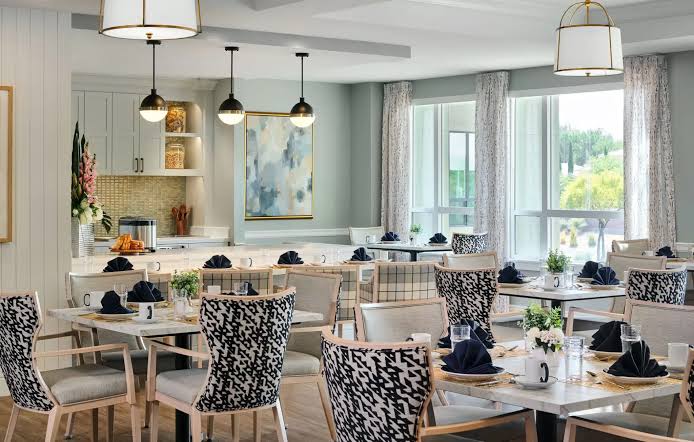
Wellness programs in modern assisted living connect physical health, emotional balance, social contact, and personal purpose. They give residents practical ways to stay active while respecting changing abilities, routines, and preferences. A useful program does not treat wellness as a weekly activity alone. It builds movement, nutritious meals, meaningful relationships, and mental stimulation into daily life. These elements create a clear foundation for better living, beginning with physical health.
Supporting Physical Health Every Day
Regular movement helps older adults maintain balance, flexibility, and muscle strength. Assisted living communities can schedule walking groups, chair exercises, stretching sessions, and supervised fitness activities for different ability levels.
These sessions support daily tasks such as standing, dressing, and moving safely between rooms. Staff members can also track participation and share relevant changes with healthcare professionals, helping residents receive timely support. Nutrition directly affects energy, strength, and recovery. Menus with appropriate portions, protein-rich foods, vegetables, and enough fluids support physical function while accommodating medical needs and personal preferences.
For families comparing assisted living in Yakima, WA, wellness programming offers a beneficial point of comparison. A community that schedules safe exercise, serves balanced meals, and monitors changing needs creates a daily structure that supports independence. Residents benefit when activities match their abilities, while staff can adjust routines as health needs change. This practical approach connects wellness with everyday tasks rather than treating it as a separate service.
Improving Emotional Wellbeing
Emotional health depends on routine, connection and a sense of control. Wellness programs can include quiet time, creative activities, garden care, music sessions and opportunities for residents to make daily choices.
Personal choice matters because residents retain control over how they spend their time. Someone who prefers reading to group exercise still needs activities that support enjoyment, focus, and social contact.
Staff members also build emotional support into everyday interactions. A familiar conversation, a check-in after an appointment, or assistance with a personal goal can reduce isolation and reinforce trust.
Building Social Connection
Social activities help residents form friendships and stay in regular contact with others. Group meals, discussion sessions, games, and shared celebrations create natural opportunities for conversation without forcing participation.
Small groups often work well because they allow quieter residents to speak and build familiarity. Staff can also connect residents with similar interests, backgrounds, or activity preferences.
Family involvement adds another layer of support. Scheduled visits, shared meals, and community events help relatives remain part of daily life while giving residents more meaningful social contact.
Supporting Mental Stimulation
Mental wellness depends on regular attention, learning and problem-solving. Activities such as memory games, current-affairs discussions, crafts and reading groups encourage residents to use different cognitive skills.
The purpose is participation, not performance. Activities should remain adaptable, with simpler instructions, larger materials, or additional time when residents need them.
A varied program also supports personal identity. Residents can share knowledge, teach a skill, or discuss past experiences. These contributions give daily activities a clear purpose and respect the experience each person brings.
Making Wellness Personal
Effective wellness programs begin with individual preferences and health information. Staff can learn which activities a resident enjoys, what movements feel comfortable, and which routines support better sleep or appetite.
Personal planning also prevents unnecessary pressure. A resident recovering from illness may need short sessions, while another person may prefer a fuller schedule. Regular reviews help staff adjust activities as abilities and interests change.
Families can ask practical questions before choosing a community. They can ask how activities are adapted, how participation gets recorded, and how staff respond when a resident’s needs change.
Helping Residents Maintain Independence
Wellness plans also support independence by connecting activities with practical daily goals. A resident who practices standing exercises can build confidence for transfers, dressing, and walking. Cooking demonstrations can support safer food choices, while art sessions encourage hand movement and concentration. Staff can record progress without turning every activity into a test.
Clear feedback helps residents recognize improvements and choose suitable challenges. Wellness planning also gives families practical information about changing abilities. When activities reflect personal goals, residents participate with greater purpose and retain more control over daily decisions. This approach supports dignity while keeping care practical, flexible, and person-centered.
Conclusion
A strong wellness program connects exercise, nutrition, emotional support, social contact, and mental activity with daily routines. Its value shows up in practical outcomes, such as easier movement, better engagement, and greater confidence in personal choices. When assessing an assisted living community, families should review the activity schedule, meal approach, and individual planning process. A direct conversation with staff can show whether wellness is part of daily care or simply an occasional event.