Review: VisionQuest Brings Paul Bettany and James Spader Back for a Clever Chapter
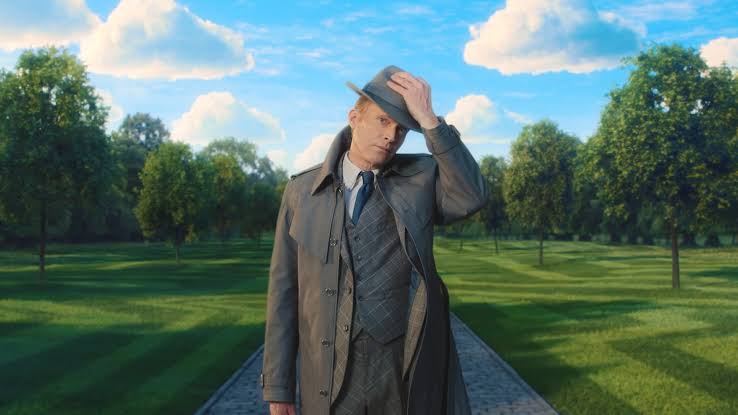
With the arrival of VisionQuest, we finally see the next steps for Paul Bettany’s synthezoid hero. Set after the events of WandaVision, the series follows the newly awakened White Vision attempting to uncover his own identity. Taking on a human guise, he works quietly at a pub in Edinburgh until he is tracked down by a ruthless assassin named Paladin. The resulting pursuit eventually leads Vision to cross paths with Thomas, the reincarnated son he shares with Wanda Maximoff, forcing the synthezoid to confront what it truly means to be human and navigate complex father and son dynamics.
Having watched the full season, the eight episodes serve as a necessary conclusion to the cohesive trilogy alongside WandaVision and Agatha All Along. It is a programme clearly targeted at fans who have followed the story from the beginning, and it thankfully focuses on wrapping up that narrative rather than forcing connections to larger upcoming crossover events like Doomsday. However, it still feels less like a grand finale and more like just another standard story set within the ever expanding Marvel Cinematic Universe.
Despite the narrative occasionally feeling like a transitional chapter, Bettany is great as always as Vision. He perfectly captures the melancholy of a being trying to understand his own fragmented existence. The show is also highly visually impressive, utilising creative AI themed aesthetics to represent Vision’s internal reality that far exceed standard television budget expectations. Adding to the enjoyment is the return of James Spader as Ultron, who is arguably the greatest asset of the series. It is a genuine treat to have Ultron back in the fold, and his commanding presence provides the necessary anchor to keep the audience invested throughout the heavier philosophical debates.
Where the series falters slightly is in its execution of character identity and emotional resonance. What Vision actually is, and how we are meant to see him, can get quite confusing. The show frequently shifts between internal and external views of Vision and the other AIs living in his mind, and this structural choice sometimes muddles the story. Furthermore, while the father and son relationship is the primary focus, side characters like Tommy and his love interest Lisa emerge as the weakest elements of the show. It is difficult to fully connect with their arcs on a human level.
Throughout the episodes, there are a lot of nice little nods and character connections to the wider MCU, but they do not always nail them. While some references add a fun layer of world building, others can feel slightly forced or distracting from the main narrative thread.
Ultimately, the series is a visually striking and ambitious project that tackles the nature of selfhood and grief. While it might be the weakest instalment of the three part saga, it remains a serviceable and worthwhile watch for anyone wanting to see the conclusion of the WandaVision storyline.