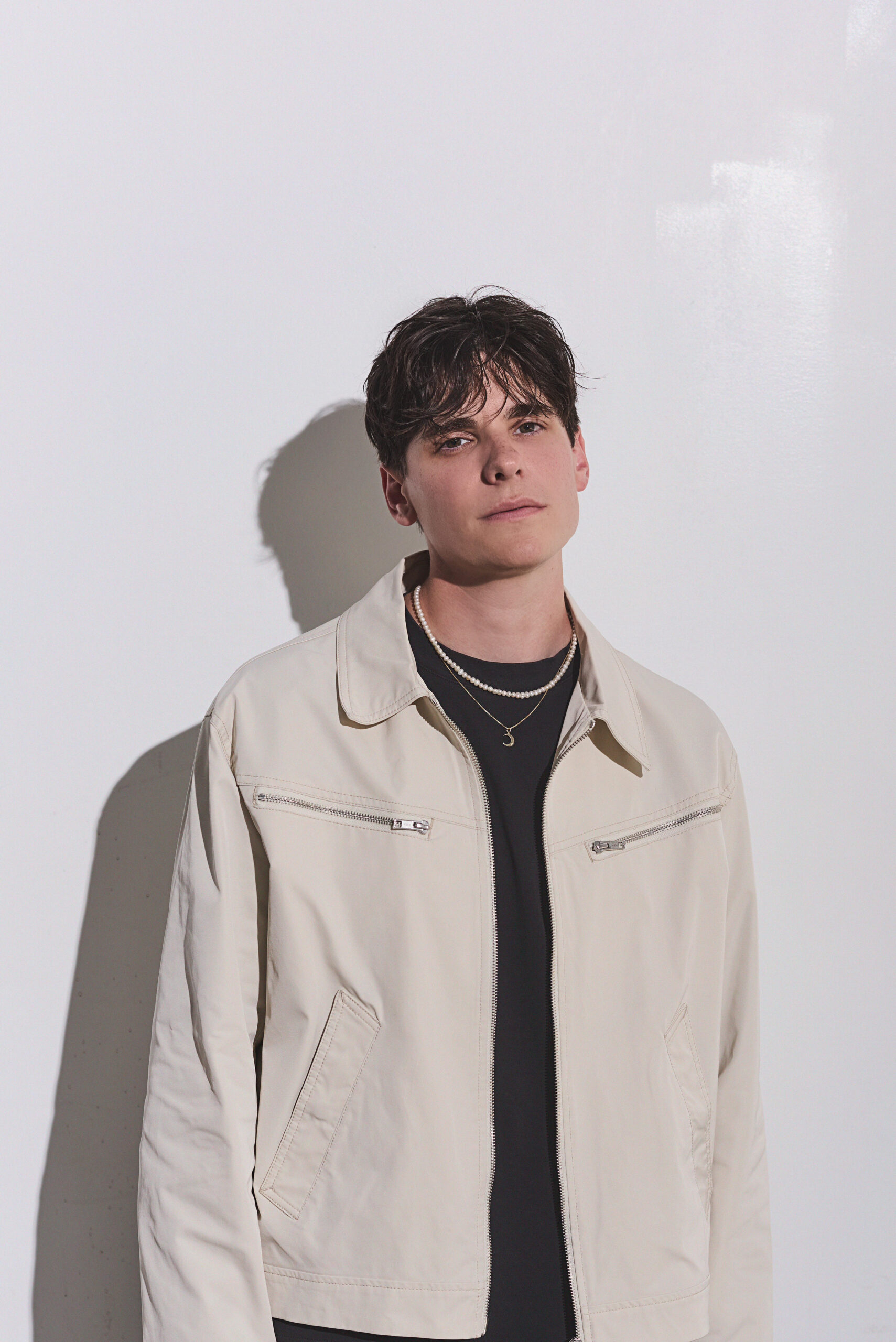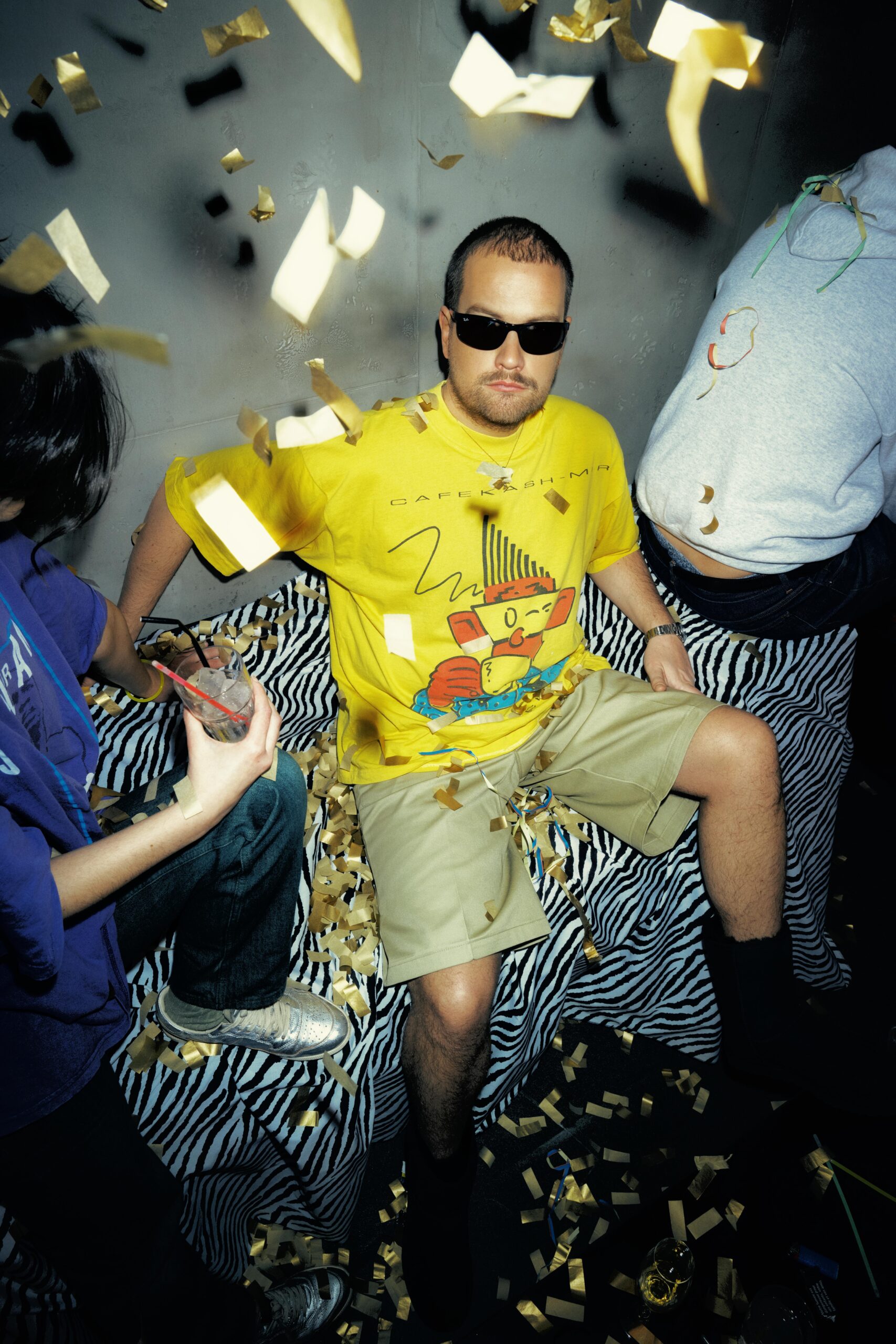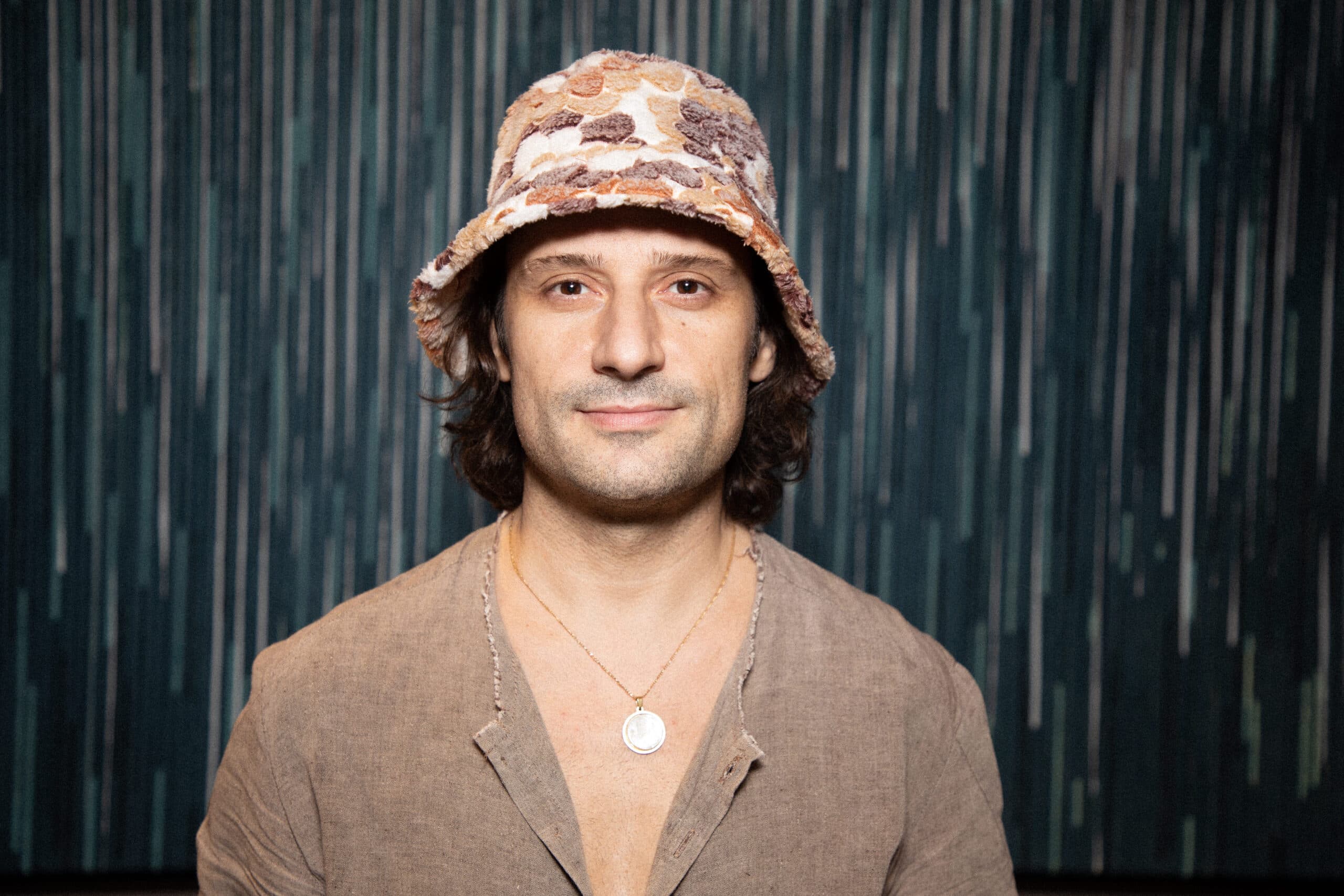
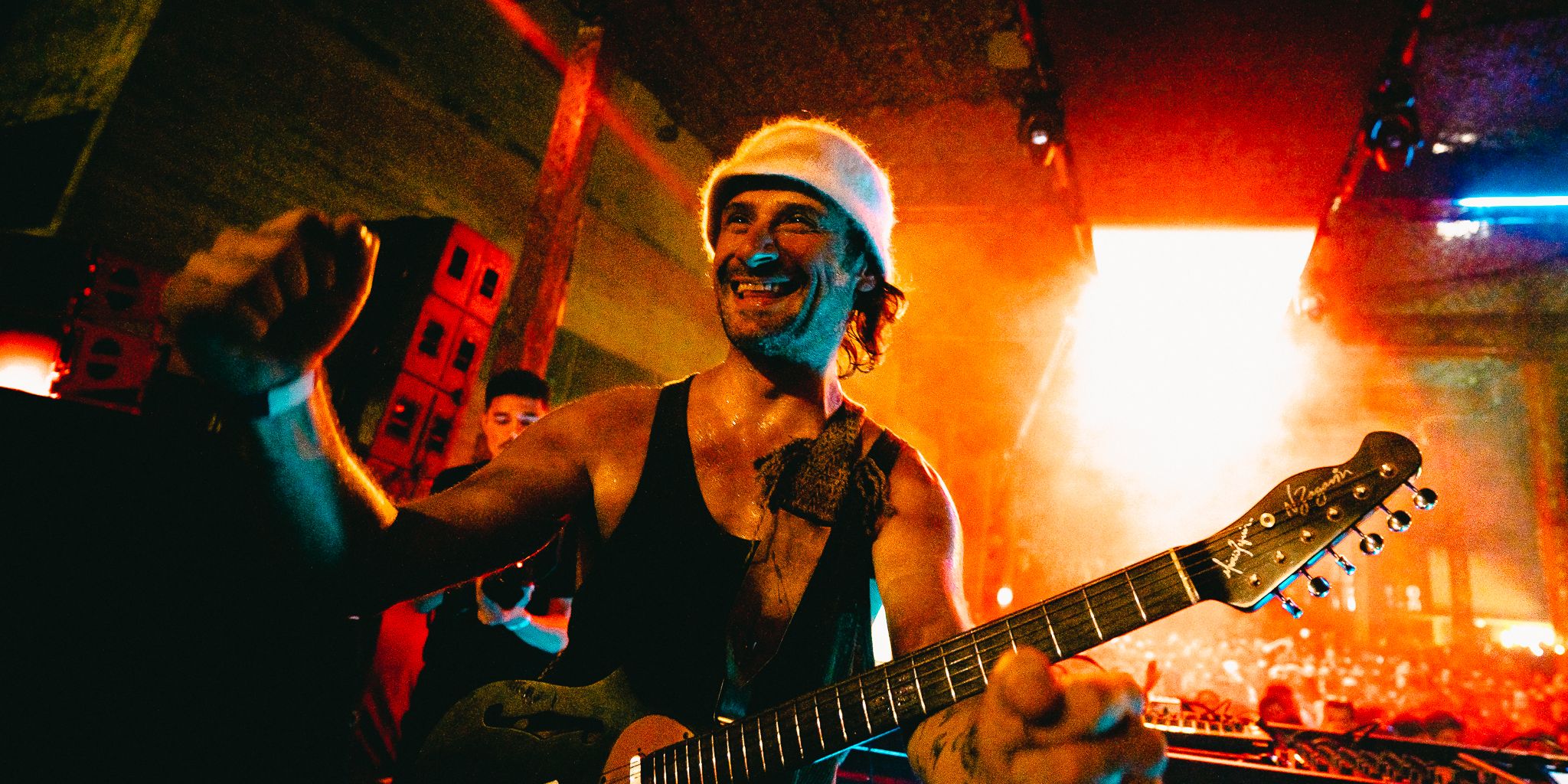
Bora Uzer is a Turkish musician, producer, and live performer celebrated for his captivating presence in the electronic music world. He masterfully blends his DJ sets with live vocals, impressive keyboard improvisations, and an infectious energy, transforming the booth into a stage for a vibrant, full-spectrum musical performance.
This innovative approach has rightfully earned him a coveted residency at Pacha Ibiza, one of the world’s most iconic nightclubs. We were thrilled to catch up with Bora to discuss his incredible journey, the magic of his Pacha residency, and his deep connection to music.
You recently brought out the London Community Gospel Choir in Ibiza. How did that collaboration come about, and how did it elevate the set? Are there any plans for more special events like this in the future?
Bringing out the London Community Gospel Choir was one of those goosebump moments. It wasn’t just a performance, it was a moment. I’ve always believed that music is a spiritual thing, and gospel is the purest form of that. The idea came from wanting to surprise the audience with something unexpected, something deeply human in the middle of a club environment. When you hear so many voices singing in harmony, it hits differently, it’s raw, powerful, and emotional.
As for more collaborations like that? Absolutely. I want to keep building bridges between genres, cultures, and sounds that people wouldn’t normally associate with club spaces. I don’t want people to come with expectations, I want them to come an enjoy the moment.
Let’s talk more about Ibiza. What, in your opinion, separates Pacha Ibiza from other clubs on the island?
Pacha Ibiza is an identity. It’s not just a club, it’s an institution, a soul with history ingrained into every wall and every corner. It’s elegance without pretension, tradition without being stuck in the past. There’s a certain warmth there that’s hard to explain until you’ve felt it. It’s not about how hard the kick drum hits – though it does hit – but about how the night flows and how connected people feel.
Pacha Ibiza has presence. You feel like you’re stepping into a legacy, and the crowd respects that, which makes every performance feel like a shared ritual.
Your residency is for the legendary ‘Flower Power’ party. How do you approach the challenge of reimagining such an iconic brand for a modern audience while respecting its historical roots?
Flower Power is a beautiful paradox. Deeply nostalgic, but with so much potential to evolve. My goal was never to imitate the past but to reinterpret its spirit and create something new. The original Flower Power movement was about love, freedom, and breaking the rules. That energy is timeless.
So I take the essence of that, the rawness, the playfulness, the rebellion, and mix it with modern textures. Live mixing, engaging with the crowd and using their voice, creating unique moments… it’s all fair game, as long as it feels alive and genuine. We’re not recreating history, we’re extending it.
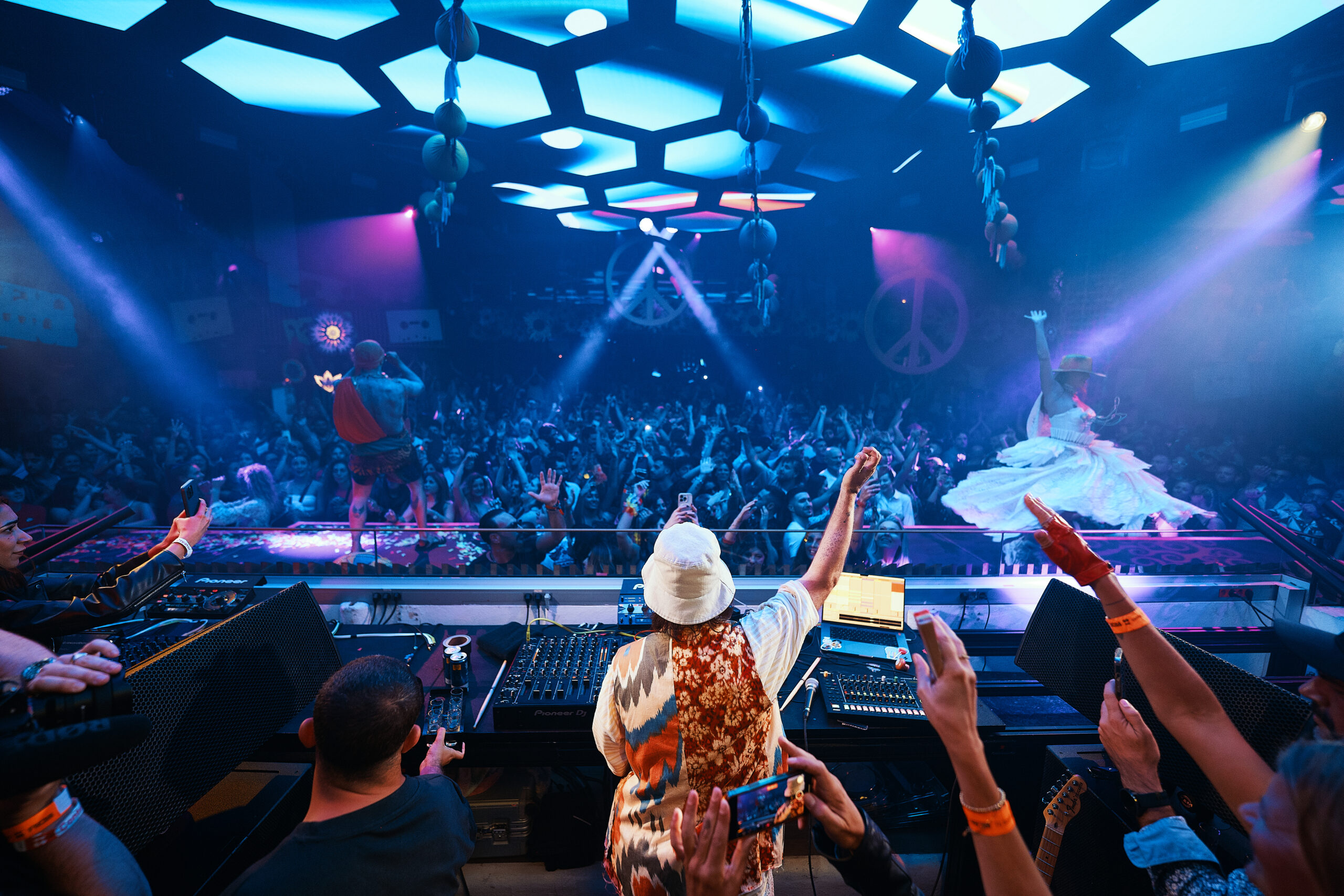
Pacha Ibiza has a unique 360-degree view from the DJ booth. How has this specific stage setup influenced your performance and your ability to connect and interact with the crowd?
When the crowd surrounds you, there’s no “front” or “back”, you’re in the middle of it, like the heartbeat of the room. You can’t hide behind a booth or fall into routine. You’re exposed, and I love that vulnerability.
That layout forces me to listen more carefully, feel more deeply, and respond in real-time. The energy comes at you from every angle, and it shapes the journey in a way that no traditional stage setup ever could. It’s like being inside the music with everyone else, not just delivering it.
How do your sets at Pacha Ibiza differ from a massive festival set, like at Tomorrowland?
Festivals are about scale, Pacha Ibiza is about intimacy. At a place like Tomorrowland, the stage is huge, the visuals are epic, and the energy is massive. It’s about creating waves that ripple through tens of thousands of people at once. It’s thrilling, of course, but you have to think in broader strokes.
At Pacha Ibiza, it’s more nuanced. You’re face-to-face with people. You can see someone smile at a specific drop. The pacing is different, the storytelling is deeper, and there’s way more room to improvise and go left-field. It’s more of a conversation than a speech.
You have a famous philosophy: ‘If there is no input, there is no output.’ How does the energy of the Ibiza crowd directly shape the direction of your live, improvised sets each night at Pacha Ibiza?
That philosophy is the backbone of everything I do. I don’t go on stage with a script, I go with a blank canvas, and the crowd paints with me. If the audience gives me softness, I’ll lean into harmony. If they’re rowdy, I might get gritty and percussive.
You have a background in jazz from the Rotterdam Conservatoire of Music and were in a band in Turkey. How do both of these experiences inform your creative freedom within electronic music?
Jazz taught me how to listen, to trust silence, and to chase freedom. It taught me that I don’t have to be perfect. It gave me the language to express what I feel without needing to explain it. Playing in bands, I learned how to communicate non-verbally, how to groove, how to serve the song instead of the ego. All of that feeds directly into my live sets now.
Speaking of influences, your relationship with Solomun has been significant. How has that relationship developed and what has its ultimate impact been on your career?
It’s super important to nurture and create relationships with your peers, and Solomun is someone who I have looked up to in many situations, so you always have to show respect.
You’re a global artist. How does a scene like Miami’s compare with Ibiza? What does each city provide that the other does not?
Miami is fire. It’s bold, it’s loud. The energy hits you like a wave and demands movement. There’s this wild, untamed spirit that makes every show feel like anything could happen, and often, it does.
Ibiza, on the other hand, is more mystical. It’s spiritual, layered, full of history and ritual. People come to Ibiza to lose themselves and maybe find something in return. So the music breathes a little differently, there’s more space, more room to explore.
Both cities feed different parts of my soul, and I need both.
Beyond performing, you have your own record label, OJO. What separates OJO from other labels, and what is the ultimate goal for it?
OJO is a full brand, whether it is as a record label or as events. The name literally means “eye” in Spanish, and for me, it’s about seeing things differently. We’re not chasing hits. We’re nurturing voices, encouraging experimentation, and giving space to sounds that don’t always fit the mould.
I want OJO to be a home for misfits, for people who make music from their gut, not a playbook. The goal is to create a community that values depth over hype, and to support artists in finding their truest voice.
On a more personal note, what is your favourite dish to cook?
I don’t think I can choose a favourite. What I love about cooking is doing it for others. The challenge of figuring out how to make a meal that everyone on the table will enjoy and connect over.
Finally, are there any upcoming releases or surprises that you can tease for your fans?
Lots more to come, I would tell them to stay tuned to my socials.
Bora Uzer continues his Saturday residency at Pacha through the summer, get your tickets here and for the rest of Pacha’s esteemed events here.