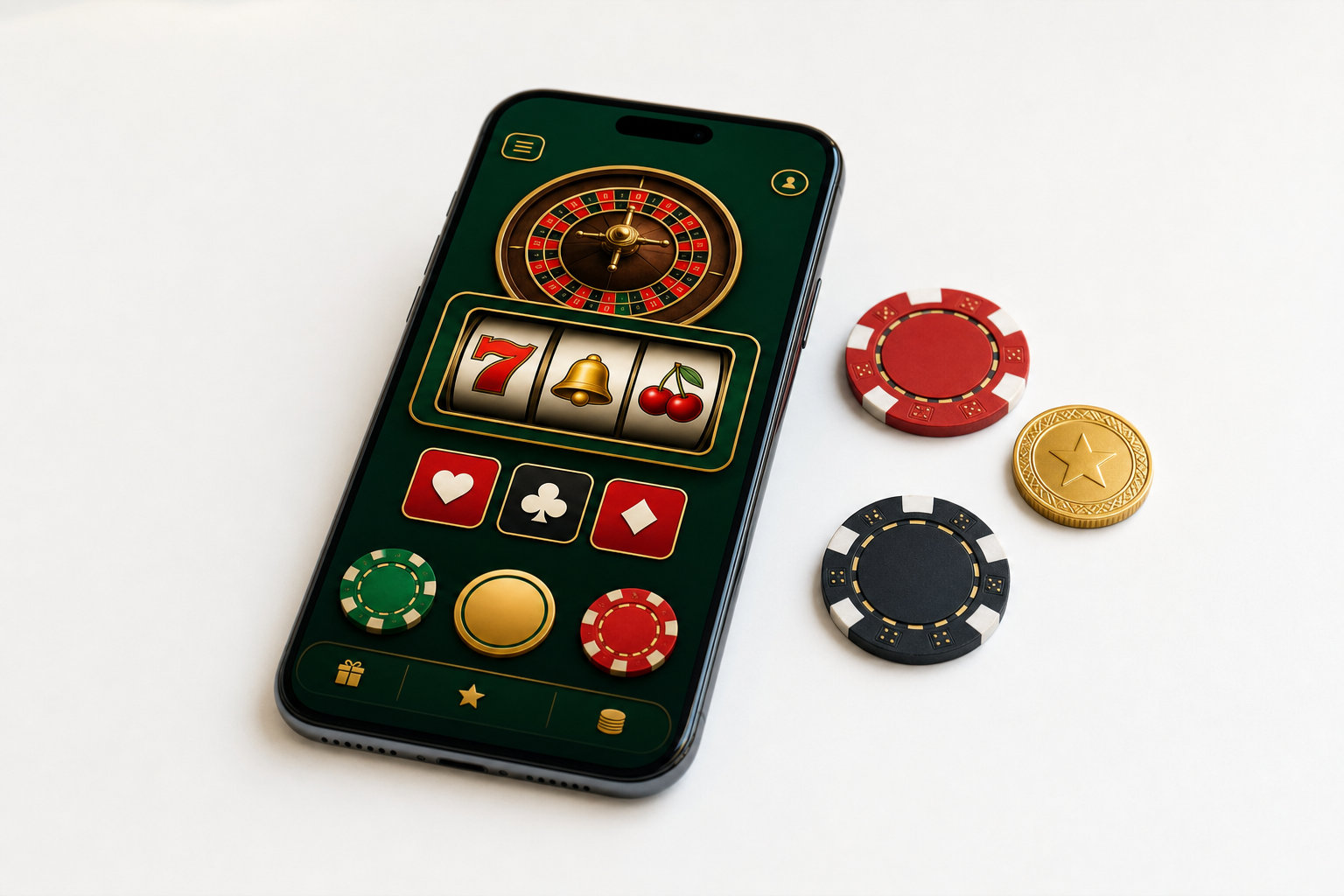
An NFL game can now appear on screen beside a market price, available liquidity and an order waiting to be matched. The sporting question has not changed much: which side do you think will win? What happens after that opinion is formed looks different.
Platforms like ProphetX treat the answer less like a conventional sportsbook selection and more like a position in a market. Price and timing matter because another participant has to be willing to take the other side. The sporting event gets someone there; the mechanics that follow look much closer to trading.
When a Sports Opinion Becomes a Price
A conventional sportsbook presents a line and lets the bettor decide whether to accept it. ProphetX uses a peer-to-peer model, so users trade against one another instead. Someone can take an available price, request another one or leave an order open and wait for it to be matched.
Take an NFL matchup where a fan believes one team is undervalued. On a sportsbook, the decision might end with whether the listed odds are good enough. On an exchange, that same opinion opens another set of choices. How much is available at the current price? Would it be better to wait? Is there another participant willing to trade at the number being requested?
Liquidity is where the distinction becomes practical. A price can appear attractive without much money being available at that level. Someone wanting a larger position may have to accept a different price, reduce the size of the order or leave it sitting in the market.
What Makes an Exchange Different From a Sportsbook
The important difference is who sets the price and takes the other side. At a traditional sportsbook, the operator posts the odds and accepts the wager. An exchange-style market brings participants together, allowing orders to be matched between users.
That changes the way someone approaches the same sporting event. Instead of asking only whether a team will win or cover a spread, the user can also think about price, available liquidity and whether another participant will accept the order.
The sports knowledge is still important, but the decision begins to resemble trading: being right about the underlying event is only part of the equation. The price at which the position is entered matters too.
Three Sets of Cues on One Screen
On one screen, the cues come from three different places:
Sports brings the teams, player statistics, scores and outcomes.
Gaming contributes fast mobile interfaces, notifications and constant interaction.
Trading supplies prices, liquidity, orders and open positions.
Someone might check team news, watch a price move and decide whether to place an order without leaving the same app.
That vocabulary once belonged mainly to financial screens. It now appears beside point spreads, team names and match schedules. The Commodity Futures Trading Commission said designated contract markets certified around 1,600 event contracts for trading in 2025. From 2006 to 2020, the average was roughly five each year.
Gaming Had Already Made Trading Feel Familiar
Sports games have been experimenting with marketplaces for years. FIFA Rivals pushes that further by combining arcade-style football with collectible ownership and a system for buying, selling and trading items. This look at the FIFA Rivals marketplace shows how team building can sit beside decisions about what to keep, move or replace. The match may last only a few minutes, but activity around it can continue much longer. A player might compare assets, change a squad or decide whether an item is worth holding. It is not financial trading, but buying, holding and moving digital assets no longer feels unusual inside a game. The Entertainment Software Association reported that U.S. consumer spending on video games reached $60.8 billion in 2025, including $52.4 billion spent on game content.
Sports Personalities Move Between the Same Worlds
Luka Dončić’s partnership with Overwatch 2 placed one of basketball’s biggest stars directly inside gaming culture, with themed content built around a player who was already known for playing the title himself. The Dončić and Overwatch 2 collaboration shows how naturally sports fandom now follows athletes into gaming spaces.
A fan can see the same athlete in a live game, an Instagram clip and a video-game event on the same day. The platforms are different, but the audience does not necessarily treat them as separate worlds.
ProphetX Brings the Trading Model Into Sports
ProphetX makes that convergence especially visible because even its welcome offer is framed around completing a trade rather than placing a conventional sportsbook bet. Covers’ guide to the ProphetX promo code lists the current “Trade $50, Get $75” offer for eligible new users and explains the qualifying action and applicable terms.
The terminology is revealing. Users are entering positions in sports event contracts while interacting with prices and liquidity supplied through an exchange-style market.
The underlying question may still be whether the Cowboys beat the Eagles or whether a team covers a particular number. What changes is the mechanism surrounding that opinion: the user is participating in a market rather than simply accepting a price posted by a sportsbook.
Sports Information Becomes Market Information
An injury update, lineup change or late piece of team news has always mattered to sports bettors. On an exchange, there is another question: how has the price reacted?
Suppose a starting quarterback is ruled out a few hours before kickoff. One user may expect the team to struggle, open the market and find that the price has already moved sharply. They still agree with the underlying sports argument, but the new number may no longer look attractive. Someone else may think the market has moved too far and take the opposite position.
The injury news is already known; the question becomes whether the market has moved too far. So the user is watching two things at once: the sport and the market’s reaction to it.
The Similarities Stop at the Interface
The overlap does not make these products interchangeable. Buying a digital football item, placing a sportsbook wager and trading an event contract involve different products, rules and regulatory frameworks.
What is converging is the user experience. All three can involve live information, changing prices, mobile notifications and decisions about when to act.
That distinction matters. ProphetX may borrow familiar language and behavior from trading platforms, while sports and gaming provide the subject matter and interface cues, but an event contract remains its own product with its own settlement terms and risks.
The Categories Meet in the Behavior
A single session might involve checking team statistics, watching a price change, placing an order and returning later to see whether it was matched. Somewhere else on the same phone, that person could be managing a digital football squad or buying an in-game asset.
They are still different activities. A virtual item in a sports game is not the same thing as an event contract, and an event market is not simply another form of traditional sports betting. But the interfaces and habits surrounding them are beginning to look more alike. After a few screens, none of it looks particularly unusual. The team is still there, but so are the price, the open order and the question of whether now is the right moment to act.