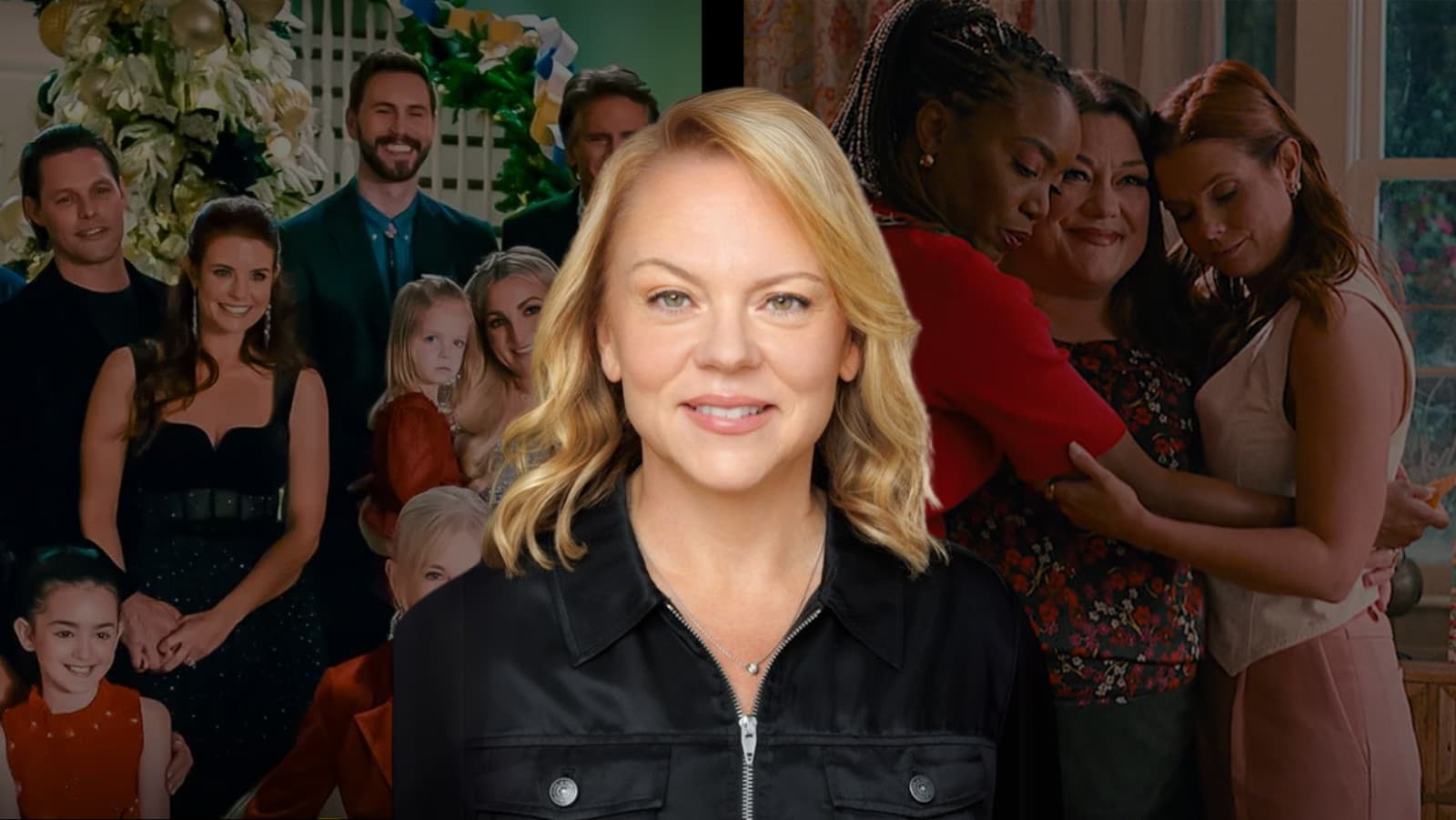
When “Sweet Magnolias” debuted on Netflix in 2020, few industry insiders predicted it would transform into one of the platform’s most enduring hits. The series about three lifelong friends in a small Southern town has defied expectations about what drives streaming success.
Behind this cultural phenomenon stands Lisa Hamilton Daly, the television executive who championed the adaptation of Sherryl Woods’ novel series when others might have dismissed it as lightweight fare. The show’s journey from page to screen illustrates her conviction that authentic female-centered storytelling could achieve both critical acclaim and commercial success.
“There’s a very high failure rate in television,” says Daly. “A lot of shows just don’t make it. They’re too niche or they hit at a moment where whatever thing you thought two years ago when you bought the show was going to really feel relevant is somehow no longer relevant in the moment you released.”
Through her development of “Sweet Magnolias,” Daly demonstrated that programming centered on authentic female experiences could achieve both critical acclaim and commercial success. The show created new subscriber demographics for Netflix, proving the untapped market for content that takes women’s stories seriously.
Identifying the Right Source Material
Lisa Hamilton Daly’s background in literature, holding a doctorate in English from Harvard University, trained her to recognize promising source material for adaptation. With “Sweet Magnolias,” she identified a book series with elements that could translate effectively to television: strong female friendships, a vivid small-town setting, and emotionally resonant storylines.
“It takes a minute and you have to sort of work through a lot of options to get there,” she says. “The process can take anywhere from one to three years.”
For “Sweet Magnolias,” this meant finding the right creative team to adapt Woods’ novels for television. Daly worked with showrunner Sheryl J. Anderson to develop a version of the story that maintained the books’ emotional core while creating a visual world that would engage viewers.
The result portrays a vision of Southern culture that resonates with viewers seeking community and authenticity. Daly takes pride in the show’s positive representation.
“I just think it’s positive, female-positive portrayals,” she says.
Development Challenges and Character Focus
The path from concept to successful series involved numerous creative decisions that shaped “Sweet Magnolias” into the hit it became. Daly emphasized character development as central to the show’s appeal, focusing on the three female leads—Maddie Townsend, Dana Sue Sullivan, and Helen Decatur—and their decades-long friendship.
“I’m making sure that you are thinking about that audience all the time. You really create the shows with the audience in mind,” Daly said about her development approach. For “Sweet Magnolias,” this meant portraying a South that felt inclusive and relatable to viewers from diverse backgrounds.
Unlike some productions that might reinforce regional stereotypes, “Sweet Magnolias” presents a contemporary Southern community with depth and nuance. “It respects its audience, provides a positive vision of a more harmonious world, and presents a diverse view of the South,” Daly noted about the show.
This respectful approach to both characters and setting proved crucial to the show’s reception. Rather than positioning the series as a “guilty pleasure,” Daly championed it as substantive storytelling that happened to center on women’s experiences. This framing challenged industry tendencies to categorize female-focused programming as less significant than male-centered narratives.
“I think it’s about a need state. And sometimes you just want to sit down and be bathed in female friendship or something like that. You want a softer moment,” Daly explained about audience motivations. This understanding of viewer psychology guided her development choices throughout the process.
Cultural Impact Beyond Viewership
“Sweet Magnolias” represents more than just successful entertainment; it offers a cultural touchpoint for viewers seeking community and connection in their media consumption. The show explores themes of resilience, forgiveness, and mutual support that resonate across demographic boundaries.
The development process reflects television’s broader cultural impact. “It’s getting to see, look, when you start with an idea, it’s just like you and maybe a writer and a producer. And by the end of the process, when you go to see that film or show premiere or get launched into the world, it touches so many people,” Hamilton Daly explained.
This ripple effect creates meaningful connections across diverse audiences. “The first group of people it touches are the people that make the show, because you forget how many people are part of a show,” she reflected. “It’s hundreds of people at the end of the day that have touched this show.”
Market Success Through Authentic Storytelling
The business metrics surrounding “Sweet Magnolias” validate Lisa Hamilton Daly’s development approach. While Netflix rarely releases specific viewership figures, the show has consistently appeared in the platform’s Top 10 lists and received multiple season renewals—clear indicators of commercial success in the streaming environment.
“I think you think about figuring out what draws people to a streamer, what kinds of shows work,” Daly said about her programming decisions. With “Sweet Magnolias,” she identified a content category underrepresented on Netflix’s platform at the time—heartfelt, community-focused drama centered on female friendship.
Industry analysts noticed this success. The show demonstrated how character-driven storytelling could compete effectively against higher-budget productions with more promotional support. By focusing on emotional authenticity rather than production scale, “Sweet Magnolias” created a template for cost-effective programming that delivered substantial audience engagement.
Netflix’s approach to “Sweet Magnolias” also reflected changing economics in television production. Traditional broadcast networks typically required immediate ratings success, often canceling shows before they could develop audience momentum. Streaming platforms like Netflix employ different metrics, allowing series like “Sweet Magnolias” time to build viewership through word-of-mouth and recommendation algorithms.
“I was able to create this content that actually turned out to be some of the most acquisitive content they had because it was grabbing viewers that they had never had before,” Daly explained about her Netflix portfolio, which included “Sweet Magnolias.” The show proved particularly effective at attracting subscribers who hadn’t previously considered Netflix essential to their entertainment needs.
This business success carries broader industry implications. “Sweet Magnolias” demonstrated that female-centered storytelling could achieve both critical and commercial success when executed with respect for the material and audience. The show transcended the “guilty pleasure” category to become a significant cultural contribution that resonated with viewers seeking authentic emotional experiences.
The development and success of “Sweet Magnolias” exemplifies Lisa Hamilton Daly’s broader mission in television: creating programming that takes women’s emotional lives seriously without apology or condescension.