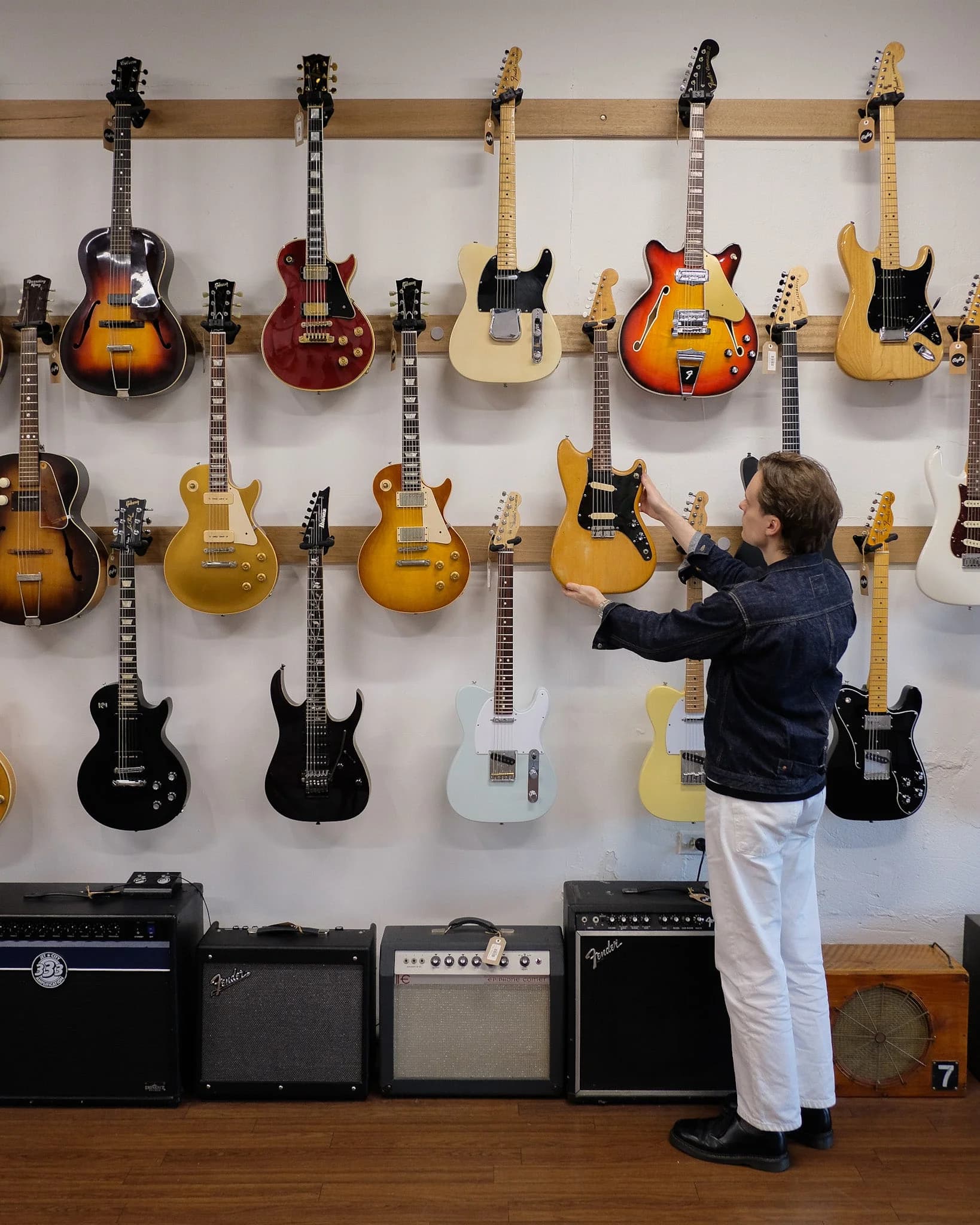
An online marketplace can give buyers access to rare guitars, broader pricing, and sellers beyond their local area. That reach helps, but older instruments demand careful inspection. Age, originality, repairs, and ownership records can change value by thousands of dollars. Attractive photographs and a familiar maker’s name are not enough. A sound purchase depends on documented condition, credible pricing, clear communication, secure payment, and a return policy that protects the buyer after delivery.
A Useful Starting Point
Start your research before you contact a seller. Model variations, production dates, finishes, hardware, and documented sales all influence a vintage guitar’s value. A well-researched reverb guitar buying guide can clarify listing terms, seller information, search features, and buyer protections. That preparation helps shoppers assess photographs, descriptions, shipping terms, and payment procedures without relying on instinct alone. It also provides useful questions for evaluating an older instrument’s history and condition.
What a Marketplace Does Well
Large platforms place many listings in one searchable location. Filters can narrow results by maker, production year, body shape, finish, and asking price. Buyers gain a practical comparison set instead of judging one local example in isolation. Seller feedback offers another reference point, particularly for communication and order fulfillment. Scarce models may appear there long before reaching a nearby dealer.
Where Listings Fall Short
Photographs reveal appearance, not every mechanical problem. Small images can conceal fret wear, neck movement, repaired cracks, altered wiring, or replaced hardware. Descriptions may call an instrument “original” without identifying which components remain factory-installed. Serious buyers should request close images of the headstock, bridge, control cavity, serial number, frets, neck joint, and body edges before making an offer.
Vintage Checks That Matter
Originality and condition
A vintage guitar’s market value often rests on its parts, finish, and documented history. Replacement tuners may improve performance while reducing collector interest. Refretting can be reasonable maintenance, whereas a refinished body may lower resale value. Buyers should ask about neck repairs, solder joints, replaced pickups, modified routing, and any mismatch between the serial number and stated production period.
Price Requires More Than a Search Filter
The cheapest listing may end up costing the most. Shipping, insurance, taxes, import fees, setup work, and fret replacement can alter the final figure. Two guitars carrying the same model name may differ sharply in value because of finish, parts, repairs, or provenance. A useful comparison includes several similar examples, adjusted for documented work, missing cases, and non-original components.
Seller Communication Reveals Risk
A reliable seller responds to precise questions with equally precise answers. Additional photographs, repair receipts, measurements, and ownership details strengthen confidence. Evasive replies, urgent payment requests, or invitations to complete a sale privately deserve caution. Buyers should retain messages, invoices, listing images, serial information, and shipping records. Those documents can support a claim if the delivered guitar differs from its description.
Payment and Shipping Need Protection
Protected checkout creates a transaction record and may provide a formal dispute process. Bank transfers, cash-equivalent payments, and private arrangements can remove those safeguards. A fitted case, firm padding, moisture control, and declared value reduce transit exposure. When possible, the recipient should inspect the package before signing. Any damage requires immediate photographs and prompt reporting within the platform’s stated deadline.
Local Shops Still Offer Advantages
A specialist dealer allows shoppers to hold an instrument, assess its response, and inspect construction under proper lighting. Experienced staff may identify repairs, judge originality, and complete setup work before delivery. Local purchases can also simplify returns, adjustments, and future servicing. These benefits may justify a higher price, especially for first-time buyers or guitars with significant collector value.
Who Should Choose an Online Marketplace?
Online purchasing suits shoppers who can research model history, evaluate technical details, and accept limited physical inspection. It works best for familiar models supported by clear photographs, fair policies, and established sellers. A specialist dealer may be better for buyers who want expert assessment, immediate access, or ongoing service. The suitable route depends on experience, budget, distance, and instrument rarity.
Conclusion
An online marketplace can be a sound place to purchase a vintage guitar, provided the buyer follows a disciplined process. Condition, originality, pricing, seller history, payment protection, and return terms all require careful review. Rare instruments deserve additional scrutiny because one concealed repair can erase the benefit of an attractive price. Shoppers who ask detailed questions may find excellent choices online. Those who need hands-on evaluation may gain more confidence through a specialist dealer or an independent inspection.