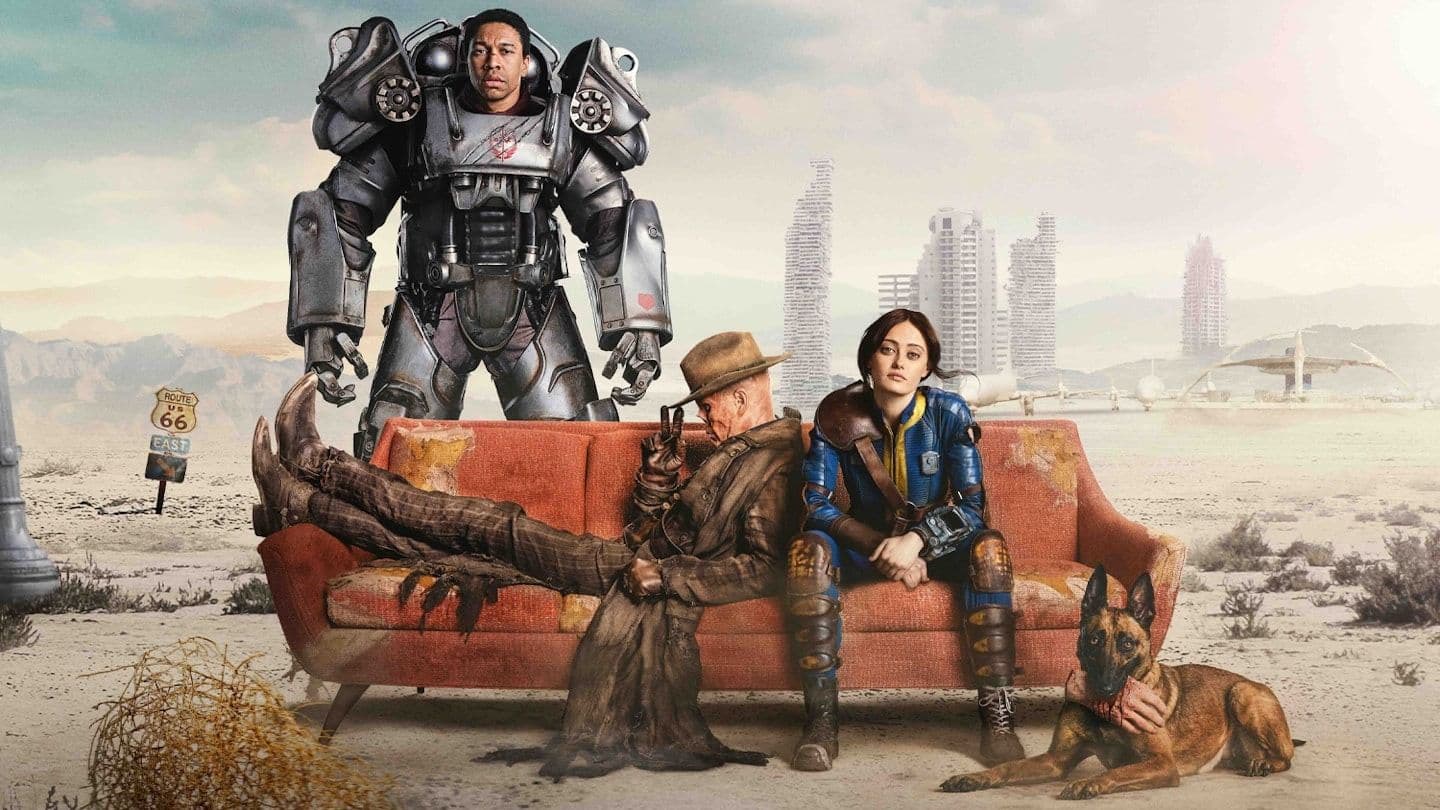
The second season of Prime Video’s Fallout has officially concluded, and it’s clear the creators aren’t just playing it safe with their post-apocalyptic sandbox. For those new to the wasteland, the show is an adaptation of the legendary RPG franchise, following a trio of protagonists: Lucy, the naive vault dweller; Maximus, the conflicted Brotherhood of Steel squire; and The Ghoul, a cynical, 200-year-old gunslinger. Season 2 picks up the radioactive pieces of the first, shifting the action toward the iconic, neon-drenched ruins of New Vegas.
A notable phenomenon regarding this season’s release was the nature of the public discourse. Despite the high quality of the production, there was a perceived lack of that massive, unified watercooler discussion typically reserved for cultural juggernauts. Due perhaps to the fragmented nature of modern streaming, even online communities didn’t seem to engage in the consistent, week-by-week analysis the series arguably earned. It is a curious outcome, as the density of the plot and the intricate environmental storytelling provided ample material for deep-dive theories and communal speculation that never quite reached a fever pitch.
The story this year was undeniably ambitious. With multiple storylines weaving between the surface of New Vegas, the internal politics of the Brotherhood, and the ongoing mysteries within the Vaults, things occasionally felt like they were on the verge of becoming confusing. However, the execution was remarkably steady. The writers managed to balance these disparate character arcs with a sense of purpose, leading to a climax that felt earned and cohesive. It’s a rare feat to keep a hopscotching narrative from falling apart, but Season 2 conducted its chaos beautifully.
For the gamers, the move to New Vegas was a high-stakes gamble. Thankfully, the fan service was handled with a perfect level of restraint. Whether it was the introduction of Mr. House or the appearance of Deathclaws, the nods to the source material felt integrated rather than inserted. They carried weight for the story rather than just acting as a checklist of Easter eggs, ensuring the storytelling remained the priority for fans and newcomers alike.
Adding to the freshness of the season was the inclusion of Macaulay Culkin. While his role was ultimately a minimal addition to the series, he was a good fit for the Fallout universe’s specific brand of quirkiness. He didn’t overshadow the core trio, but he provided enough of a spark to keep the side-plots engaging.
The finale served as more than just a conclusion; it acted as a violent catalyst for what comes next. With Season 3 already officially confirmed, the momentum is building rapidly. The end-credit scene stood out as a particular highlight, teasing a future that promises to escalate the Brotherhood of Steel’s internal power struggles into a full-scale war.