Review: ‘Future Relic’ By Daniel Arsham Is The Ultimate Guide For Modern Creatives
Daniel Arsham has long been a figure who defies simple categorisation within the global creative community. As a New York based artist and co-founder of the design studio Snarkitecture, Arsham has built an immense reputation through his unique concept of fictional archaeology. By taking contemporary objects like cameras, basketballs, or vintage cars and casting them in geological materials such as volcanic ash, selenite, or pyrite, he creates artefacts that look as though they have been unearthed from a distant future. His work sits at the prestigious intersection of fine art, architecture, and pop culture, often leading to high profile collaborations with major fashion houses and global icons. This background makes him an incredibly compelling voice for anyone looking to understand how to navigate the modern creative landscape, and his book Future Relic serves as an essential manual for that exact purpose.
The book is far more than just a retrospective of his visual work; it is a thoughtful guide designed for those who are actively trying to carve out a space for themselves in the competitive art world. Arsham provides a generous level of detail regarding his own personal history, diving into the specific challenges he faced and the various strategies that eventually led to his success. It is a rare look behind the scenes that avoids the typical gatekeeping often found in the industry. Instead of offering vague platitudes, Arsham focuses on what actually worked for him, providing a roadmap that feels both practical and deeply personal. This transparency is particularly refreshing for emerging creatives who are searching for genuine insight into how to build a sustainable and impactful career.
One of the most engaging aspects of the book is the collection of stories that Arsham uses to illustrate his points. These narratives are not only well written but also serve to make the broader lessons feel grounded in reality. Woven throughout these stories are his mentor notes, which offer succinct and inspiring pieces of wisdom that readers can apply to their own practices. These notes act as a guiding thread, helping to distil complex industry concepts into manageable advice. What truly sets this book apart, however, is how Arsham chooses to conclude these insights. He manages to wrap up the mentor notes in a way that is both incredibly interesting and quite unexpected, providing a final twist that forces the reader to re-examine everything they have just processed.
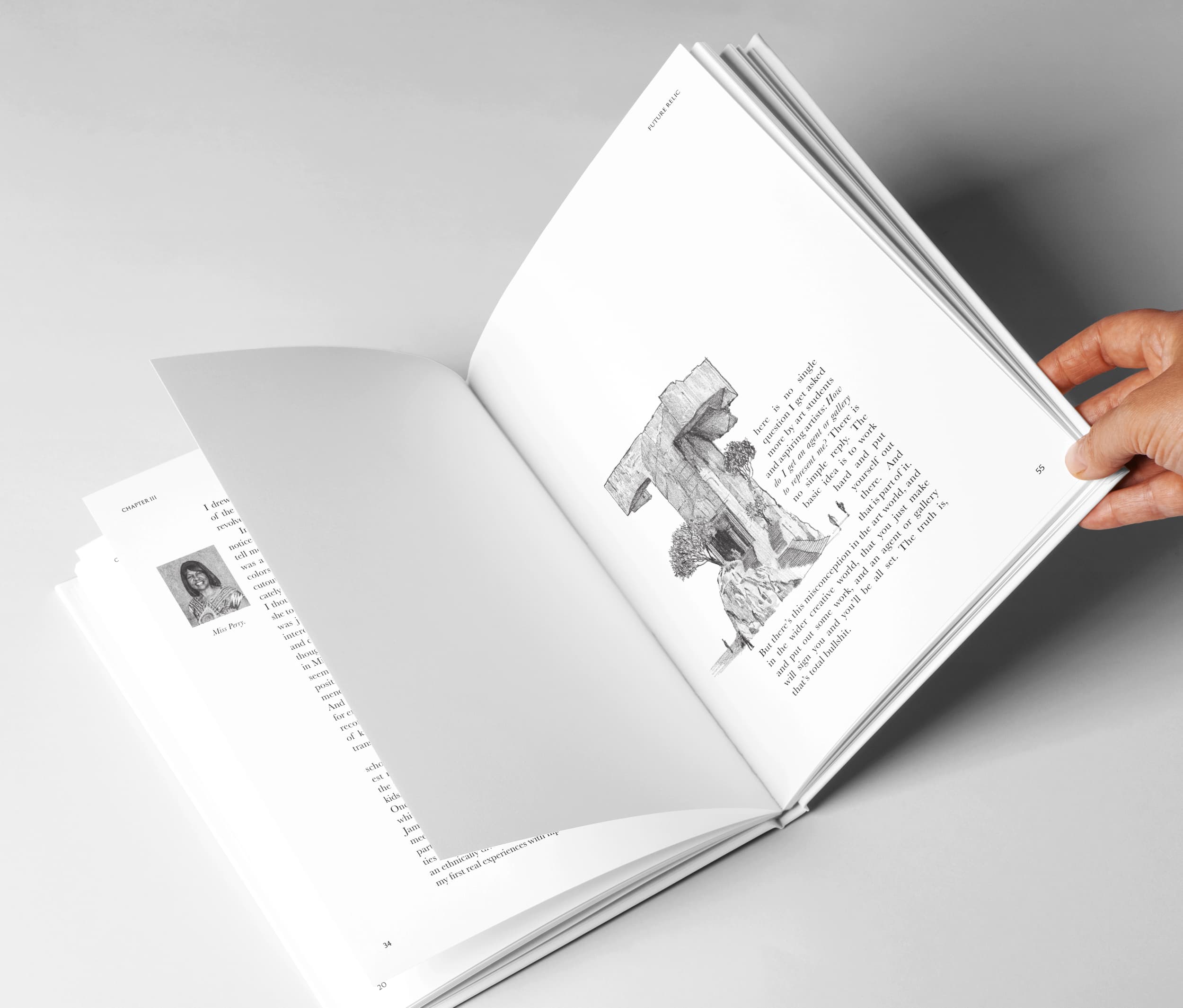
The only notable drawback is in the visual execution. While there are numerous images included for context—which is vital for an artist of Arsham’s caliber—there aren’t examples for everything mentioned. This creates a disconnect at times, making the experience somewhat clunky as you are forced to put the book down and conduct external research to get the proper visual picture of a specific work, rather than just having it included right there on the page.
Clocking in as a relatively short but highly impactful read, Future Relic is a necessary addition to the library of anyone working within a creative field. It manages to balance the inspirational with the practical, ensuring that the reader walks away with more than just a sense of motivation. Arsham has succeeded in creating a piece of work that mirrors his artistic style by bridging the gap between his past experiences and the future potential of his readers. It is an enjoyable and punchy exploration of what it means to be a creator in the 21st century, making it a must read for those who are serious about making their mark on the world.