Review: Tinderbox, Navigating the History of HBO Amidst the Paramount Warner Bros Merger
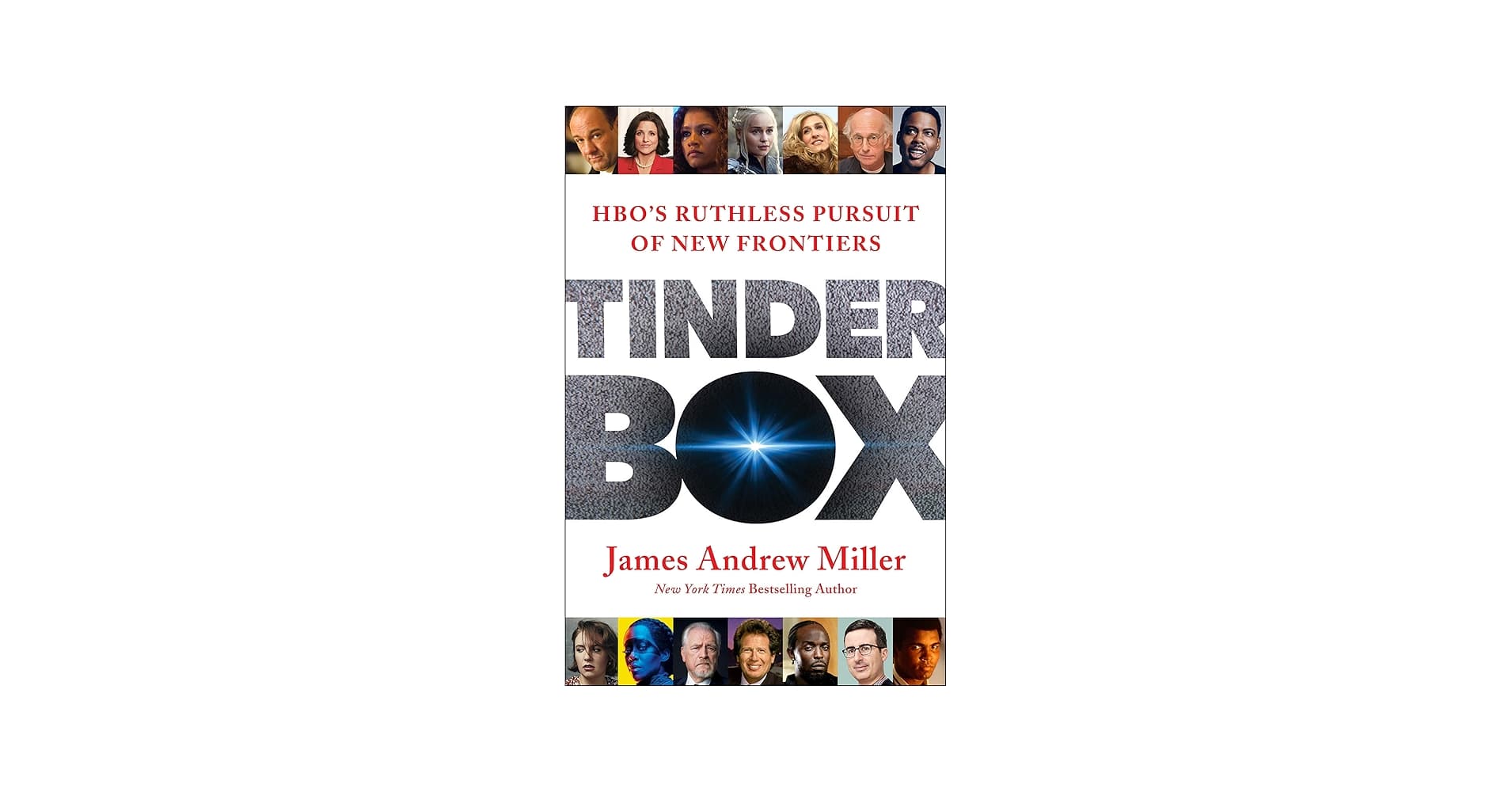
James Andrew Miller’s Tinderbox: HBO’s Ruthless Pursuit of New Frontiers is less of a traditional business history and more of an exhaustive, 1,024-page archaeological dig into the DNA of the prestige television era. For any fan of pop culture, particularly those who have spent the last few decades glued to The Sopranos, The Wire, or Succession, this is an essential, if daunting, read.
The timing of this book feels particularly poignant now that Paramount is set to acquire Warner Bros. Discovery, the parent company of HBO. As we witness another seismic shift for the brand, Miller’s work serves as a vital reminder of why HBO remains the crown jewel of the industry. It chronicles how a small, scrappy cable start-up survived multiple corporate handovers while somehow maintaining its soul. Reading it today offers a fascinating perspective on whether the HBO brand can remain a protected island of quality under yet another new corporate umbrella.
The book is a grind, sitting at a massive page count that is both long and incredibly dense. However, it rarely gets boring. Almost everything through the thousand-plus pages is interesting and enjoyable. While there are certainly business-focused sections that some readers might be tempted to gloss over, the insight into the behind the scenes of iconic shows is amazing. Miller manages to perfectly touch on everything evenly, delving into both the business and the arts to explain how these cultural touchstones actually came to be.
Structurally, the book is essentially an oral history. Miller acts as the architect, with roughly 90% of the text consisting of first-hand accounts from the actors, executives, and creators who were actually in the room. Only about 10% of the book involves the author putting the pieces together himself. While a more traditionally structured narrative might have been easier to breeze through, hearing directly from the people involved is far more insightful. It allows the reader to see how different people perceived the same situations, offering a 360-degree view of the internal conflicts and creative triumphs that defined the network.
HBO is so rich in story and history, and this book captures it all. It is a must-read for fans of pop culture and readers who enjoy HBO content. It treats the accountants and the auteurs with equal importance, acknowledging that the network’s success required both a ruthless pursuit of profit and a fanatical devotion to the arts.