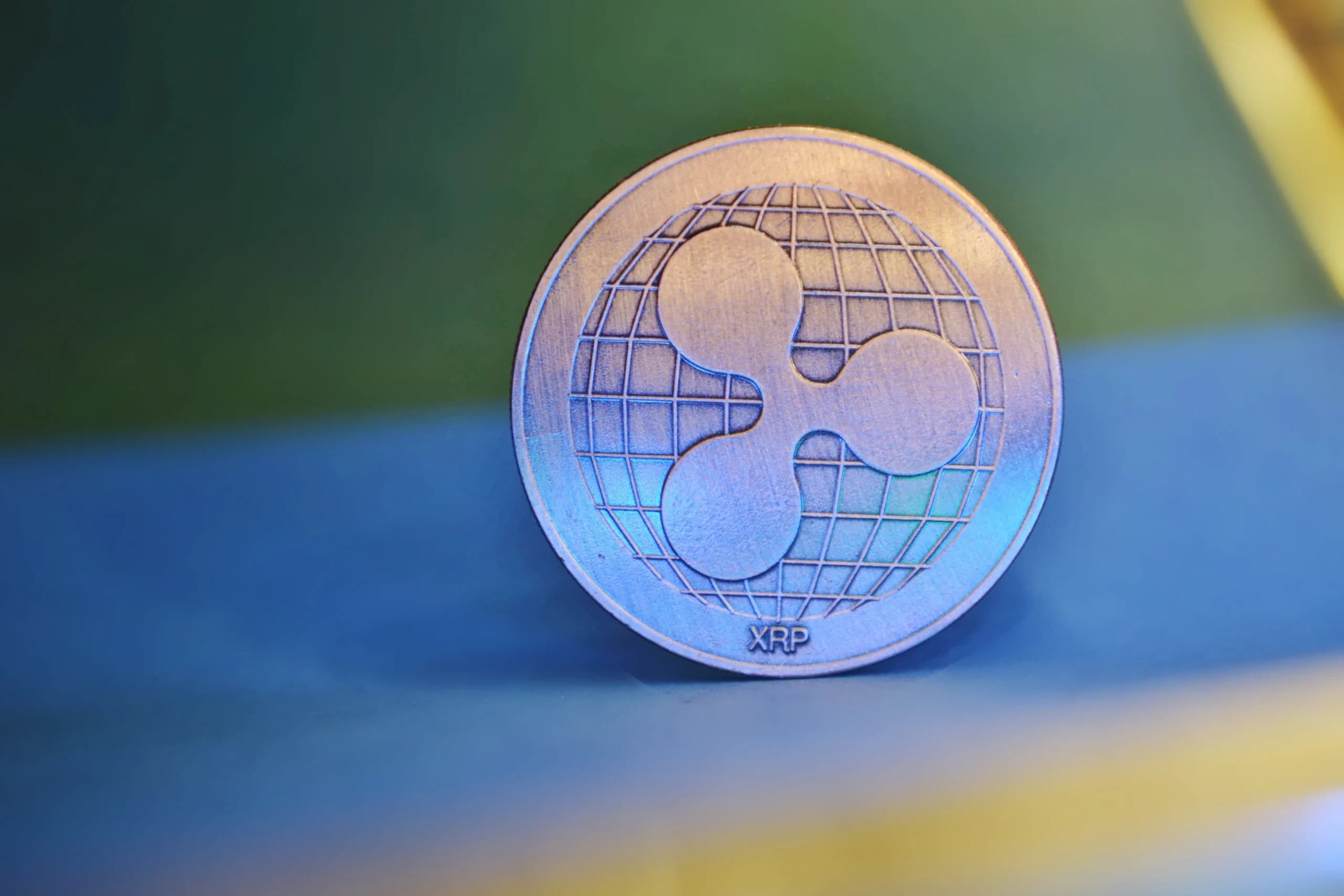
Few cryptocurrencies have managed to achieve the same kind of price growth that XRP has. Back in 2017, XRP was trading at $0.006 or so. By January 2018, it reached its first major all-time high of approximately $3.84, a phenomenal growth of over 60,000% in just one year. Unlike most assets, XRP landed on the SEC’s radar. Ripple spent $150 million battling the government in a heated legal clash with former SEC Chair Gary Gensler, whose approach to cryptocurrency was frequently described as tough and uncompromising. The company behind XRP ultimately pulled through and won its long-running civil suit with the SEC.
If you’ve been keeping a close eye on the news because you want to buy XRP, you know there’s been talk of an XRP exchange-traded fund (ETF). While several firms have already filed applications, BlackRock claims the spotlight, fueling speculation that the world’s largest asset manager might be preparing a surprise move. A filing from Larry Fink’s team would signal the green light for Wall Street, opening doors to institutional money. Crypto market commentator Zack Rector believes that a BlackRock XRP ETF filing would be a turning point for the crypto market by expanding regulated access, liquidity, and portfolio integration for heavyweight investors.
Here’s what X2 would actually look like for XRP
It’s not uncommon for cryptocurrencies to experience relatively big swings, sometimes even doubling in price overnight. Last year, bullish sentiment frequently pushed XRP’s valuation above the $10 mark, reaching as high as $12, and, at times, rivaling or even outperforming the momentum seen in Bitcoin or Ethereum. But this year, the consensus price target for XRP is within the $2.40 and $2.60 range. As of today, XRP is trading at roughly $1.36. This just goes to show that market sentiment is sensitive and can change in a jiffy. For investors, this isn’t necessarily a bad thing. It’s a reminder that crypto moves in cycles, and that long‑term positioning is your best bet.
When we say that XRPs’ price could double, we mean a 100% increase in its market value. In plain English, if XRP is trading at $1.36, a 100% gain would bring it to $2.72, but while this bump is possible, it’s not guaranteed, so you should approach these projections with caution. Since there are 60 billion XRP tokens available in the market (not locked or unreleased), XRP’s market cap would jump from about $82 billion to over $160 billon, moving deep into large-cap territory. According to crypto analysts, once XRP reclaims the $2 mark, the path to $2.70 becomes a breeze.
What Will It Take For XRP To Snap The Streak?
On November 13, 2025, Canary Capital introduced its XRP ETF under the ticker XRPC, but this was just the beginning, with several major financial firms lining up to join in. The most anticipated launch arrived on November 18, when Franklin Templeton brought its XRP ETF, EZRP, to the Chicago Board Options Exchange. Bitwise inaugurated its XRP ETF on November 20, and 21Shares and CoinShares followed suit on November 21, respectively, on November 22. The grand finale hit on November 25, as Grayscale and WisdomTree debuted their XRP ETFs on the New York Stock Exchange.
The launch of XRP ETFs in November 2025 was no doubt impressive, but the real impact has yet to be felt, which means it hasn’t translated into conditions that meaningfully accelerate the token’s growth. Although the initial surge demonstrated there was a huge appetite for regulated XRP exposure, the market is now bracing for the ‘BlackRock Effect’. It would still take a move from a leading asset manager to transform these gains into long-term, sustainable growth. Steven McClurg, CEO of Canary Capital, said he wouldn’t be surprised to see BlackRock file for a spot XRP ETF sometime around late 2026 or 2027.
Hedge funds, pension funds, banks, and so on, no longer want to play it safe, so they’re looking at other options. We’re seeing them pull money out of investment products tied to Bitcoin and Ethereum and allocate that capital to XRP to generate profits and reduce risk. But why exactly XRP? XRP has been the go-to choice for institutions because it enables seamless cross-border transactions and near-instant settlement across multiple currencies and ledgers. This shows that XRP provides professional investors with specific value or buy opportunities.
Short-Term Price Dips Are Still Possible For XRP
A BlackRock-backed ETF could be a game-changer for XRP, attracting even more institutional investors, injecting liquidity, and cementing XRP’s place in traditional portfolios. Historically, major product launches from big names on the global stage, like BlackRock, have acted as powerful market catalysts. As the crypto market struggles to settle down, Zack Rector notes that short-term price pullbacks aren’t out of the question. Despite these potential headwinds, the long-term outlook for XRP remains positive. Ripple’s push to integrate the XRP Ledger (XRPL) into global financial infrastructure lays the groundwork for broader adoption and more resilient demand over time.
A knee-jerk pullback for XRP would most likely manifest as a panic-induced dip rather than a full trend reversal. In practical terms, it could mean XRP slides back to retest recent support levels, flushing out over‑leveraged traders, and cooling off after a strong move. These pullbacks often come with a brief spike in volatility, lighter trading volume, and a reset in momentum indicators. Above all, a short‑term dip doesn’t undermine the broader trend. It’s usually just the market catching its breath before figuring out its next move.
What to keep in mind
XRP might change in the following months and investors can only hope that it will be for the better. It has always been an interesting asset, but if it improves its real-world utility it can become more relevant for a wider range of investors.