Why Music Fans Are Becoming More Careful About Their Digital Lives Across Streaming, Events, and Online Communities
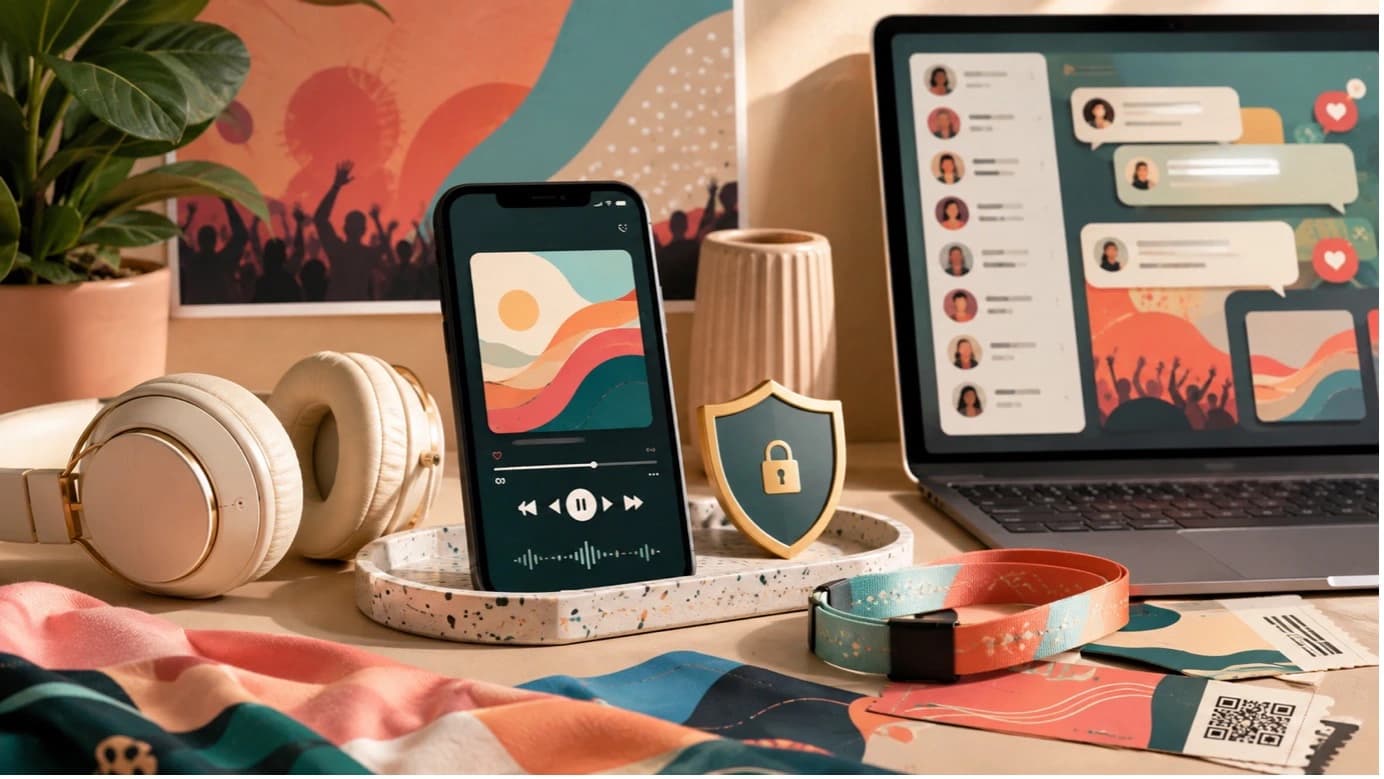
Music fandom is no longer something that happens in one place. A fan might find a track on TikTok, save it on Spotify, watch the artist’s set on YouTube, buy tickets through an app, join a Discord, and then follow tour updates through Instagram stories. None of that feels unusual anymore. It is just how music culture works now.
That convenience has made fans feel closer to artists than ever. It has also made the digital side of fandom busier, more personal, and sometimes easier to overlook.
Fans now carry their music lives everywhere
The modern music fan is always moving between platforms. A phone holds playlists, ticket apps, payment cards, private messages, saved merch links, fan accounts, and festival updates. During a live show or weekend event, that same phone may be connected to venue Wi-Fi, hotel Wi-Fi, rideshare apps, and unfamiliar charging spots.
That is why some fans now treat a vpn as part of a wider safety habit when browsing on public networks, especially at airports, hotels, cafés, festivals, or large venues. It is not about making music feel technical. It is about recognising that fan life now depends on accounts and connections people use all the time.
A lost login or unsafe connection may sound boring compared with a new album drop, but it can still ruin the moment.
Streaming changed the relationship between fans and artists
Streaming gave fans more control. They can jump between genres, follow smaller artists, build personal libraries, and replay live sets without waiting for radio or television to catch up. That freedom is part of why modern fandom feels so active.
CULTR has covered how artists are using digital experiences to connect with audiences in ways that go beyond traditional releases. That shift matters because fans are no longer just listeners. They are part of communities, launches, reactions, and online conversations around the music.
But the more connected those spaces become, the more fans need to think about their own boundaries too.
Social platforms made fandom louder
There is a good side to this. Fans can help a song travel faster than any old marketing campaign. A clip can turn into a movement. A niche artist can find the right audience without waiting for a gatekeeper.
The problem is that social platforms also make music feel constant. A Medium piece on social media looks at how online platforms have changed the way music is shared, discovered, and promoted. Fans feel that change every day, even when they are not thinking about it.
There is always another teaser, another comment section, another presale link, another fan theory, another reaction video. The excitement is real, but so is the clutter.
Better habits help fans enjoy more and worry less
Being careful online does not mean stepping away from music culture. It can mean using stronger passwords for ticketing and streaming accounts. It can mean avoiding strange merch links after a viral post. It can mean checking whether a giveaway is real before entering card details. It can mean keeping private messages and personal accounts away from public fan spaces.
These are small choices. Most of them take less time than finding the right playlist for the drive home.
Music fans do not want a lecture every time they open an app, and they should not need one. Still, the way people follow music has changed. The fandom is richer now, but it also leaves more digital traces.
Digital boundaries are becoming part of fan culture
The best parts of music fandom still feel human: the first listen, the shared lyric, the crowd singing together, the late-night debate about a setlist. Those moments are worth protecting.
As streaming, events, and online communities keep blending together, fans are learning to be a little more intentional. They can stay involved without clicking everything, sharing everything, or trusting every platform equally.
That does not make fandom less open. It makes it easier to enjoy without handing over more of your digital life than you meant to.