For years, updating an artist profile on Beatport was a pain requiring a direct connect or a process built on a clunky submission form with a turnaround time measured in months, not minutes. Most artists simply gave up, leaving their pages with outdated photos and broken social links. That era just ended. Beatport has rolled out a full redesign centered on ‘Greenroom’, a new self-service hub that gives artists and labels instant control over their presence on the platform.
This isn’t just a long-overdue user experience fix. It’s a calculated move that could pull the professional core of dance music, the DJs and labels who power the store back into its orbit in a meaningful way. By solving a practical problem, Beatport is making a bid for something much bigger: renewed relevance.
To change a profile picture or update a biography, a label manager or artist had to fill out a request form and wait. The process could take months without a direct support team being at reach, a completely unworkable timeline in a culture that moves at the speed of a social media post.
This neglect turned artist profiles into digital ghost towns. For a platform that once defined the commercial centre of dance music through its charts, the storefront itself often felt archaic and unmanaged. It created a disconnect: Beatport was a vital place to sell music but a dead-end for managing an artist’s brand. That fundamental flaw made the platform a utility, not a community or a career tool.
Meet Greenroom: what you can actually do now
The new Greenroom hub replaces the old system entirely. It’s a dedicated dashboard for artists and labels, built to function like the backends of major streaming services. After a one-time verification to claim a profile, control is immediate.
The first fix is direct profile management. Artists and their teams can now update profile images, logos, and bios in real time. But the core of Greenroom is a new suite of professional tools. Teams can now be built directly on the platform, with the ability to invite managers or label staff and assign different access levels—a critical feature for any professional operation. Artists can also add their Beatport Tickets events directly to their profile, closing the loop between their releases and their live shows.
The biggest shift is the introduction of a proper analytics dashboard. For the first time, Beatport is giving artists and labels direct access to performance data. The dashboard tracks several key metrics specific to the platform’s DJ-focused audience: * Downloads: Unique purchases of your tracks. * DJ Streams: Monetizable plays over 30 seconds from Beatport Streaming subscribers. * DJ Followers: The number of DJs following your profile for release updates. * Features: A log of when your music is placed on genre pages, in curated playlists, or in DJ Charts. * Top 100 Charts: A clear view of your sales-based chart performance. * Track Performance: Granular data for every individual track in your catalogue.
This isn’t just data for data’s sake. It turns Beatport from a passive storefront into an active tool for measuring a release’s impact within the professional DJ community.
A play for the artist’s attention
This suite of tools does more than just fix a broken system. It’s a strategy to change behaviour. By providing valuable data and instant control, Beatport gives artists and labels a reason to log in every day, especially around a new release.
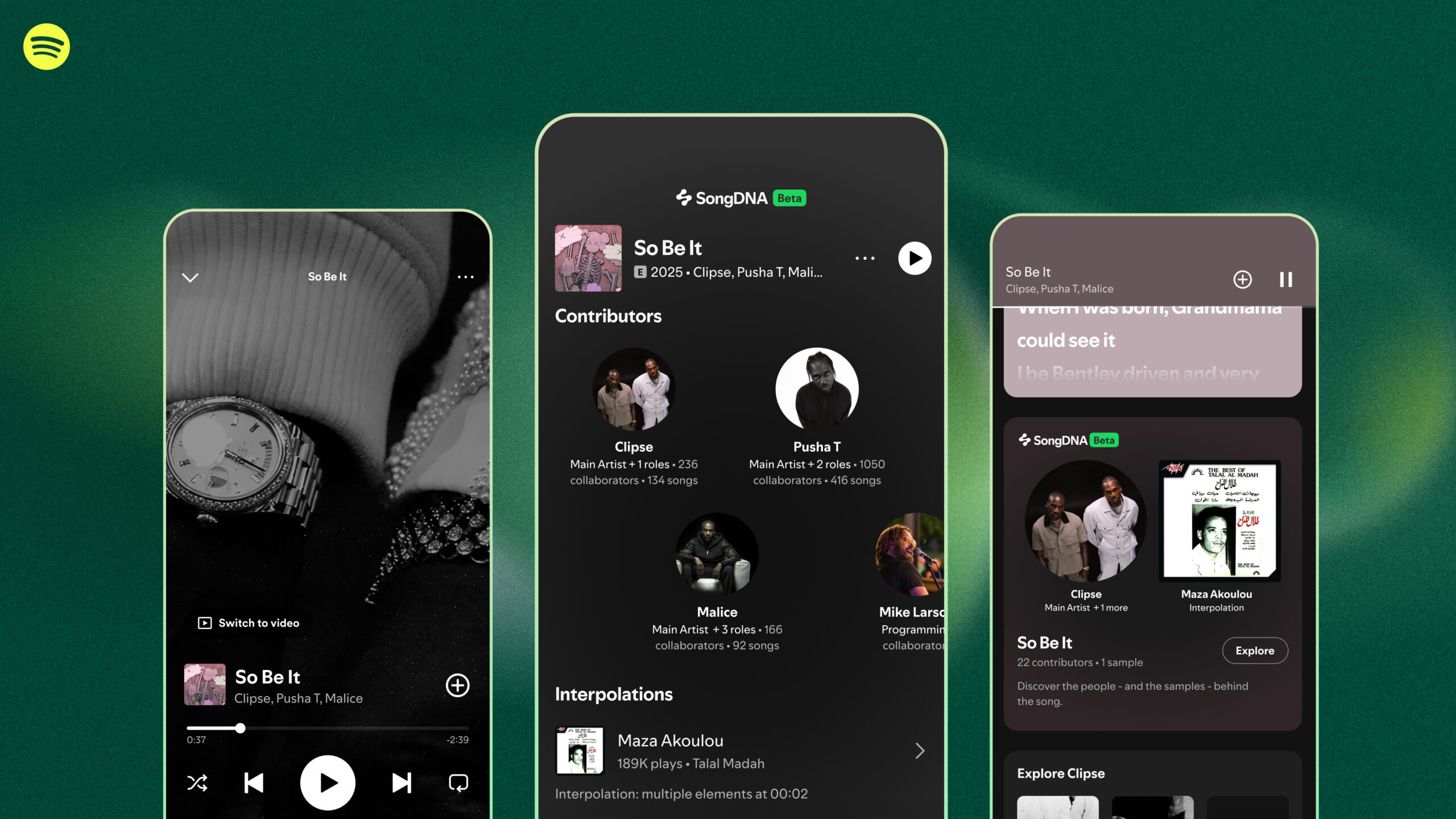
The comparison to Spotify for Artists is deliberate. That platform transformed artists’ relationship with Spotify from passive distribution to active engagement. Checking first-day stream counts and playlist adds became a release-day ritual. Beatport is aiming for the same effect. If an artist and their team are logging into Greenroom to update a profile picture, check their chart position, and see their sales data, they are spending time and attention within the Beatport world.
That engagement is the currency Beatport needs to compete. While it will never rival Spotify for sheer listener numbers, it can re-establish its dominance as the professional standard—the platform the creators themselves take most seriously. When artists care, labels care. When labels care, their marketing efforts are focused there. The feedback loop begins.
Can a better backend rebuild a cultural home?
In the pre-streaming gold rush, the Beatport charts were the single most important metric in dance music. A Top 10 placement wasn’t just a sales achievement; it was a career accelerator that guaranteed DJ bookings and industry attention. That authority has been diluted by the scale of Spotify and Apple Music, where a track’s success is measured in millions of streams, not thousands of downloads.
Beatport isn’t trying to win the streaming war anymore. It’s refocusing on its core constituency: the working DJ. The download is not dead; for DJs who need high-quality, offline files to play in clubs, it remains essential. Greenroom is a powerful acknowledgement of that user base. It treats artists and labels as the platform’s primary clients, not just its suppliers.
The question is whether these tools can bring the conversation back. A functional, data-rich platform makes Beatport a stickier and more valuable part of a release strategy. It might not restore the charts to their former glory overnight, but it is the most significant step the company has taken in years to prove it understands the people who build its catalogue. It’s a long-term investment in its own relevance, betting that if you give artists the right tools, they will rebuild the home themselves.