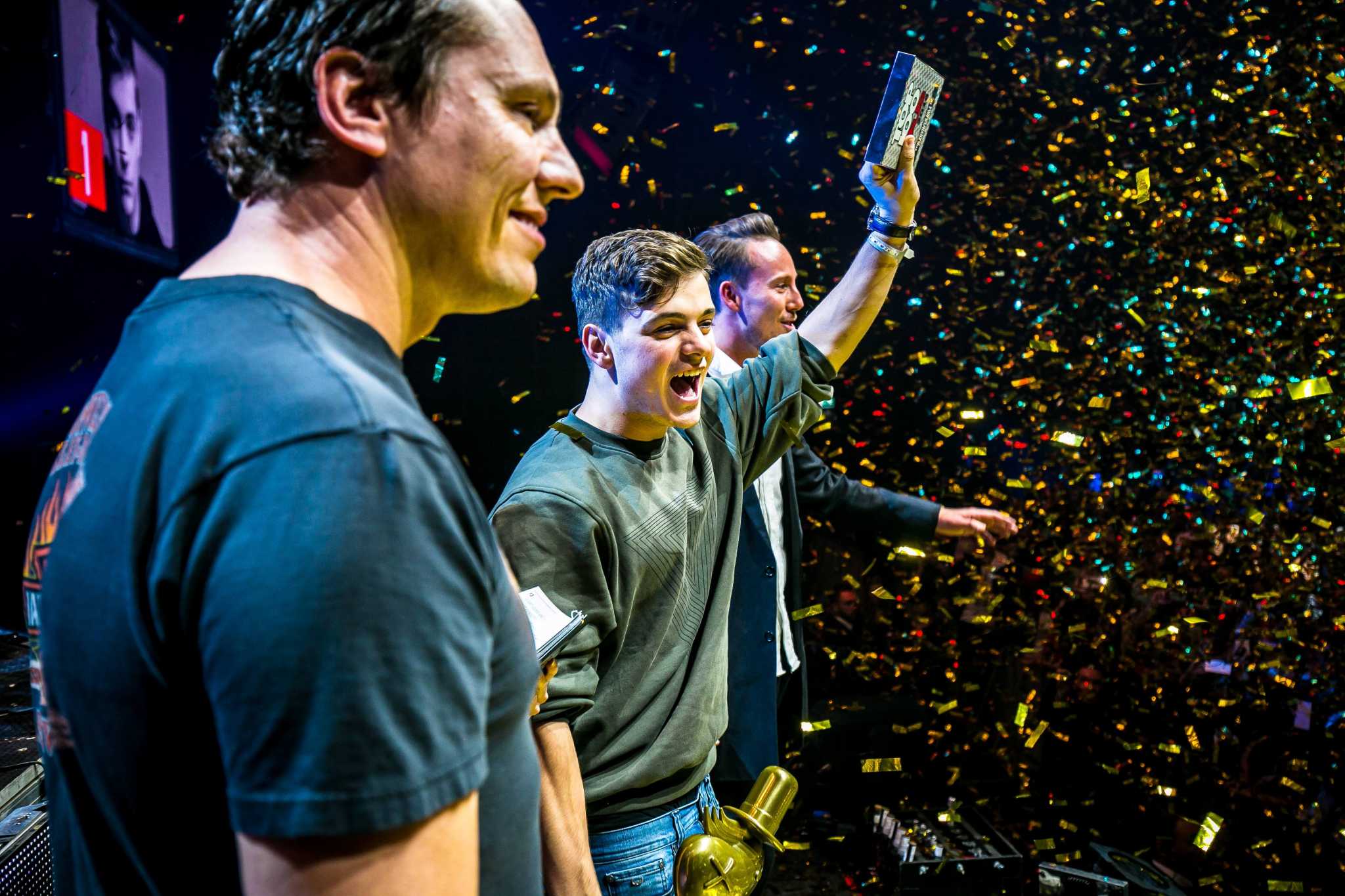
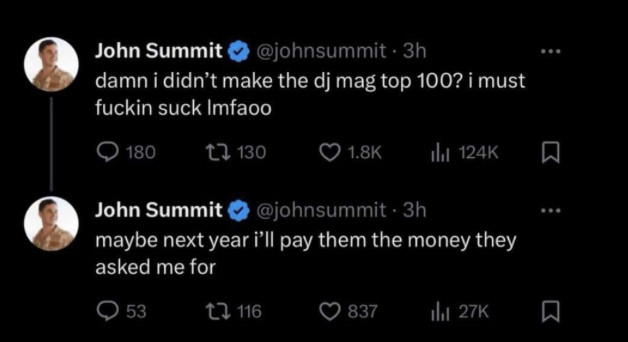
“DJ MAG TOP 100… AMATEURS” – MEDUZA
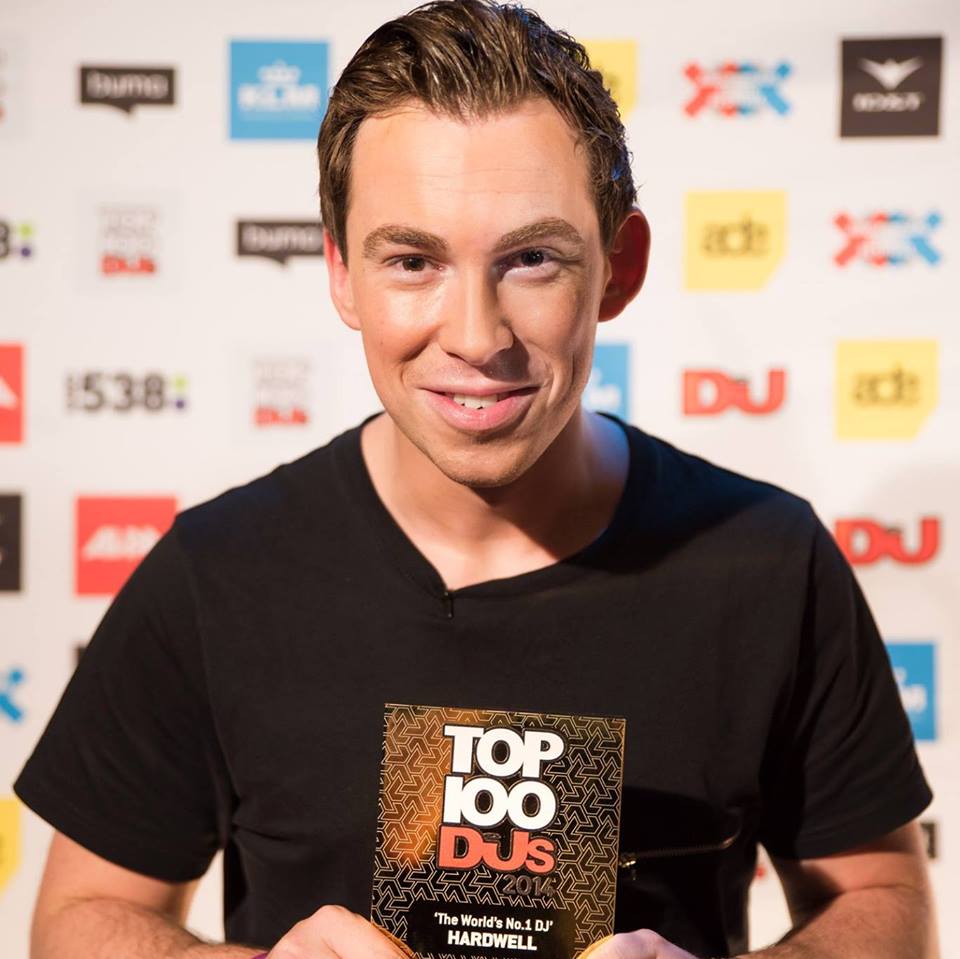
The criticism of a once-cherished and symbolic encapsulation of the dance music landscape has escalated to truly scathing levels in recent years. The DJ Mag Top 100 was once seen as a hallmark of quality, recognising the most technically proficient producers of the electronic world. But from the ‘boom’ of the ‘EDM golden era’, when the likes of Hardwell reigned supreme in 2013 and 2014, the authenticity of the poll has been brought into question, and has dwindled in popularity year upon year over the past decade, with the Dutchman even calling DJ Mag out during this rant in 2016:
So, what changed?
2015 proved a poignant year for the poll, when Dimitri Vegas & Like Mike emerged on top of the pile, following a huge controversy at Tomorrowland earlier that Summer. The Belgian duo were mockingly nicknamed ‘Dimtri iPad & Buy Likes’ by attendees of the festival, who claimed promotional staff at the event were stood at just about major landmark of the grounds in Boom, Belgium, holding iPads that were already pre-populated with DV & LM’s names in the number one position, asking passers-by to click ‘submit’.
Given the fact more than 200,000 people attended Tomorrowland each weekend, and the duo also topped the poll in the same year as these claims, many fans felt cheated, at a time when artists like Avicii, Skrillex, Alesso, and Calvin Harris were arguably at their peak. The fire was only fuelled further by the realisation that Nick Royaards, who directs Tomorrowland‘s artistic division, and describes his job title as the festival’s ‘Head of Bookings’ on LinkedIn, is also the manager of – yep, you guessed it – Dimitri Vegas & Like Mike.
“Michiel (Beers) [Tomorrowland’s Co-Founder], and I began talking about ways in which we could work together on future projects,” explained Royaards in this 2019 interview. “This then kicked off the idea to co-manage Dimitri Vegas & Like Mike as Tomorrowland residents. All our strategies were built around what we can achieve on the road and with the music from the studio. Over the years, we’ve done a lot of super cool campaigns…”
It is unknown whether to not these ‘campaigns’ included purchasing advertising space within DJ Mag‘s publications, either online or in print format of the magazine, with numerous sources pointing to the ‘unfair’ placements of certain DJs who position their ‘Vote for me as this year’s number #1’ strategies right next to the voting form itself in the form of huge online banners via DJMag.com. Even a quick Gemini search concludes that DJ Mag operate a willing policy for paid ads, stating:
“To pay for banners on DJ Mag, you must contact their advertising department directly for information on rates and packages, as banner sales are not advertised publicly online. Payment terms include cleared funds, with a requirement for bank transfers to be processed three working days before the due date. It is important to note that purchasing advertising does not guarantee a featured position in the Top 100 poll, and any claims otherwise should be reported to the organization, as they are fraudulent.”
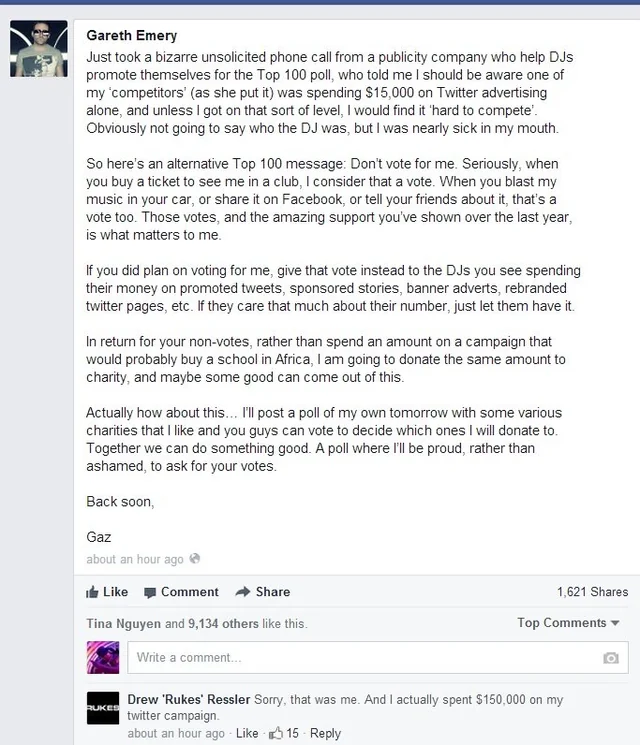
Said campaigns were widely critiqued across the industry, none more so than by Gareth Emery, the British trance producer who – in addition to the above statement – put out an eight-episode parody of the state of modern dance music, titled ‘We are CVNT5′, a mockumentary laced with a thinly-veiled dig at both the lifestyle now associated with the DJ Mag Top 100, and the ‘We Are Your Friends’ movie starring Zac Efron.
Ultimately, the fact remains… The DJ Mag poll is determined by a public vote, not by DJ Mag‘s staff. But despite this, the claims of ‘purchased votes’ won’t stay muffled. Back in 2007, Tiesmi, a Chinese DJ, confessed to purchasing votes, disclosing that he’d allegedly paid 4000 Yuan (£260) for 100,000 votes and also hired a software engineer to develop a script that bypassed security measures. DJ Mag responded with an official statement, titled ‘Named, Shamed, and Disqualified’.
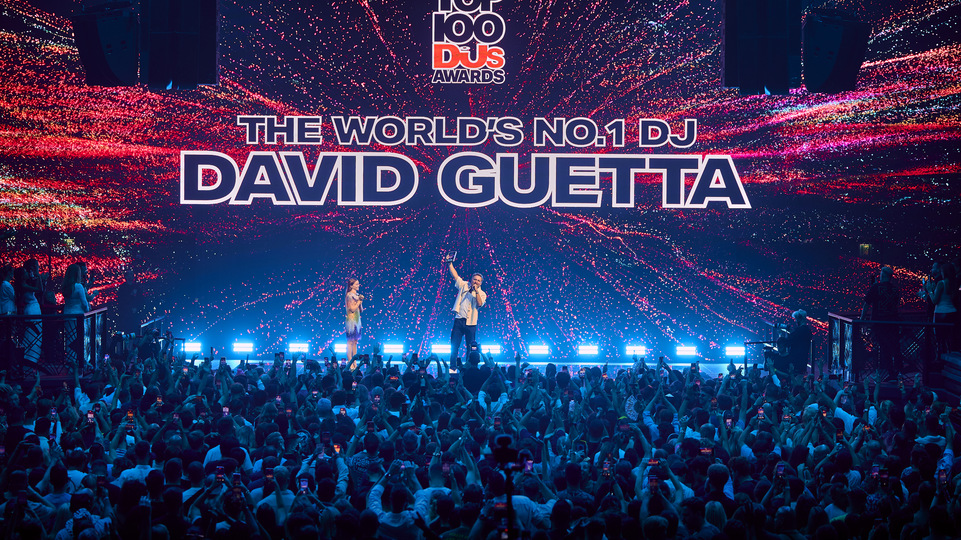
The perception of corruption also comes from the fact that commercial success often drives the results, and artists with mainstream appeal can gain more votes than others, regardless of their technical ability. This can lead to frustration for those who prefer underground or niche genres. So much so, that DJ Mag even launched a partnership with Beatport to deliver an ‘alternative’ 100, championing the techno sounds of artists such as Charlotte De Witte and Carl Cox, amid a Guetta & Garrix monopoly in the main poll, with the pair winning 9 of the past 10 polls between them.
“ANOTHER YEAR, ANOTHER DJ MAG TOP 100 TWEET. I THINK I’VE RUN OUT OF JOKES AT THIS POINT!” – CID
Veteran trance titan Paul van Dyk has called the list a “popularity poll” and urged fellow DJs not to participate, with advertising campaigns and management teams now using tactics to influence fans on social channels. Many believe this has turned the contest into a reflection of marketing budget and branding power rather than solely artistic merit. This has proved a source of frustration to many, including Headhunterz, who even posted a 7-minute YouTube video in 2019 to explain why he is quitting the poll and doesn’t want to be included in it any longer.
The Asian Persuasion…
Ultimately, one of the key factors in the continued publication of this list – which, just one month ago, looked to refresh things with an official unveiling party of 2025’s 100 at new Ibiza super club, UNVRS – is the importance of rankings within the network of Asian promoters. Various clubs in countries such as Taiwan, China, Malaysia, Japan, and Thailand still use the 100 as a benchmark of who to book, and ultimately, whom to pay. With so many venues in these areas offering handsome paydays to touring DJs, the need to enter the century of artists on that 100 is still paramount to many.
A poster with an artist’s face on, and a number 96 or 88 next to it, still draws jam-packed crowds into these areas full of fanatical EDM fans, and ultimately, money talks. “DJs rely on touring income from Asian territories and some of those tours are what help to keep us afloat”, stated one unnamed artist who went on to stress the critical nature of such promoters. “Many of those places will base their bookings on the Top 100, and will only contact DJs within that list, because that’s ultimately what brings bodies into their venue and maximises their own venue! Love it or hate it, the DJ Mag poll is still relevant to artists, in their bank balances more than anywhere else.”
The debate over the DJ Mag Top 100, once seen as a reliable list of trending talent, and now reduced to a publication of yearly ridicule, is sure to rumble on deep into ADE and beyond. What do YOU make of the poll? Let us know across our social channels!



![[REVIEW]: Oasis Love Reignited In ‘Don’t Look Back In Anger’ Movie](https://cdn.cultr.com/2026/09/oasis_main.webp)