By this point, you’ll all be familiar with the viral clip of last year’s closing party in Hi Ibiza, an infamous snapshot of modern music which started to trend for all the wrong reasons. If, by the evidence alone, we can deduce that Hi is the ‘greatest club in the world’ (DJ Mag Top 100 Clubs, 2025), and Ibiza is indeed the spiritual and historical Mecca of dance music, then surely the closing party of the White Isle’s season coming to an end for another 8 months or so, is a debauchery-packed jamboree which feels akin to the last days of Rome, or Jordan Belfort‘s iconic ‘overtime’ events at Stratton Oakmont.
Well, they used to. Which is part of the problem. Anybody who attended Carl Cox‘s final night in Space back in 2016, or the days of ‘Manumission’ at the turn of the Millennium, can tell you that Ibiza very much WAS the madcap island of decadence portrayed in ‘Kevin & Perry Go Large’. The modern reality, couldn’t be a more stark contrast, with clubbers packed in like sardines in scenes reminiscent of a dystopian Black Mirror reboot where the twist is that everyone has collectively forgotten the purpose of clubs altogether.
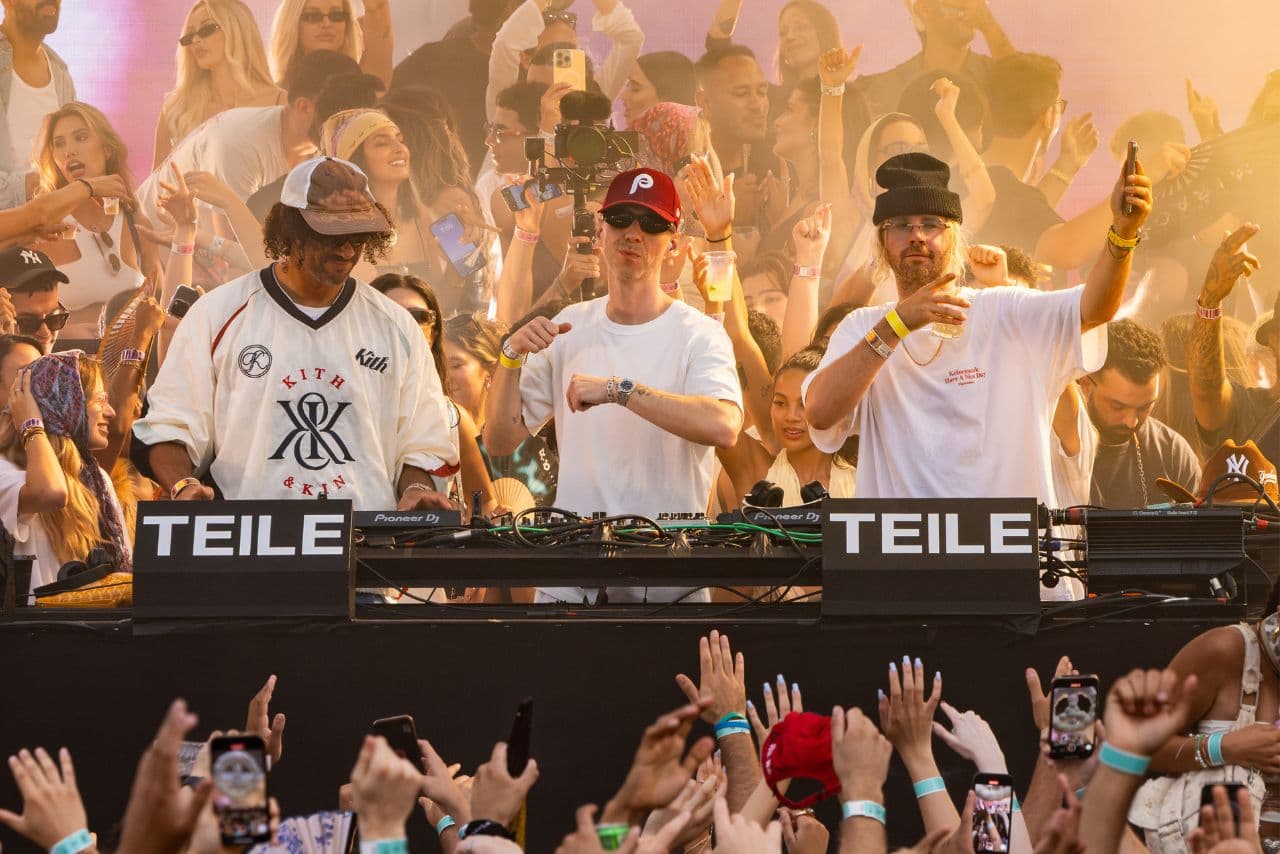
Keinemusik, the Berlin tastemakers currently positioned as the darlings of a new and spiritually-themed Afro House wave, are stood in the booth with signature nonchalance. They’re met by the sight of stands an ocean of phones, screens ablaze like a constellation of little LED stars as thousands of punters simply stare, arms raised, capturing footage they will never rewatch, for nights they never actually lived. The backlash has – predictably – taken aim at technology, but should we, instead, be analysing the music itself?
Speaking in cold facts alone (“yeah, Science!”), Afro House as a genre tends to sit around the 110-120 mark in terms of BPM (beats per minute), which as a tempo, is fine as a gentle thud under your peri-peri sauce as you wait for the Nando’s to arrive at your table, or as the playlist you hear whilst trying on stone coloured shackets in Zara. Afro House is perfectly acceptable music, Smooth, and pleasant. Nobody hates it. Nobody loves it. But nobody can dance more than a rhythmic sway to it, because ultimately, it doesn’t contain the appropriate tempo for a club environment.
Whilst clubbing demands the highs of previous generations (‘EDM’, the trending sound of Ibiza’s ‘teenies’ decade, was closer to 128-130 BPM, whilst Trance, the soundtrack of the 90s, pushed all the way to 140PM), the Afro House bandwagon trundles along at a speed which suggests the DJ wants you to hydrate well, get eight hours of sleep, and maybe fit in a relaxing yoga session tomorrow morning. The result, is a crowd filled with all the ‘correct’ accessories to fit in with the modern aesthetic… Ironic moustache, tick. Overgrown mullet under a Dad cap, tick. Hyrox certificate? Tick. But there are more signs of life in Madame Tussauds.
From a Millennial journalist with a strong dislike of all-things Love Island, there’s always that nagging feeling that “everything was better in my day”, but cast your mind back to the eras where dance music burned fiery hot with sweaty chaos. The trance boom where the hedonistic Amnesia terrace was so euphoric it felt like the gates of heaven had accidentally been left ajar. People climbed onto shoulders, mouths agape, tears flowing down faces as the synths blasted their minds into another galaxy. Then came the EDM supernova between 2009 and 2013. The Swedish House Mafia era, with DJs firing out Tomorrowland-ready drops so explosive that half the crowd genuinely believed they were levitating.
Those were nights that left you with ringing ears, a broken voice and sore legs, questioning both your life decisions and your energy reserves while smiling like a lunatic. These were experiences. You went home knowing you had lived. The issue isn’t the ‘phones’ at all. By the time Avicii was at his ‘T in the Park‘ peak in 2015, Facebook’s takeover of Instagram had already thrust the egocentric app into societal circulation for a full 3 years. The crowd was as raucous as any audience you’ll ever see. Even those iconic scenes of the Swede’s first ever live play of ‘LE7ELS’, at Summerburst Festival, contain footage of ravers with their iPhone 4s proudly lofted in the air. But the energy was still impeccable.
The blame isn’t on Afro House, itself. Nor Kleinemusik, or Black Coffee, or any of the artists who have successfully carved careers within this sonic landscape. Even HUGEL, the French DJ behind 2024’s huge Afro-anthem ‘I Adore You’, has traded in his pre-lockdown sound which focused on dance-pop elements, to become the poster-boy of this modern Afro House movement. So instead of shifting blame for dead Gen Z crowds to the artists themselves, or the legacy of Steve Jobs, we must realise that the game changed the moment promoters realised that booking what influencers listen to equals instant profit.
They traded sweat-drenched dancefloors for champagne-fuelled VIP sections where nobody dares dance because it might shake the Botox loose. Now, venue promoters – in Europe and beyond – are only chasing “cool.” They grab any trend currently blowing up on TikTok, and serve it up to an uneducated crowd who can’t even identify thew tracks being played. The source of such a claim? A whopping 40% of this year’s Top 10 most Shazammed tracks in Ibiza, were Afro-House selections, including Rampa, &ME, and Adam Port‘s ‘Say What’.
Dance music always works in waves. The Tropical House sounds of 2015/2016 made Ibiza feel like a beach bar with a ukulele problem. Camelphat’s Tech House surge around 2017/2018 turned every residency into blokes in sunglasses who played one note, repeated 400 times. Future Rave in 2019/2020 promised a return to big energy, but the pandemic rinsed the rave right out of it before it could peak. The issue is not with the music itself, but the promoters. Ibiza used to set the trends. Now it scrolls them.
The saddest part is that clubs still hold the blueprint for magic… All they need is a sprinkling of music that demands movement. Dance music is a living organism. It thrives only when the people listening to it move. If promoters keep booking music that belongs on a scented candle playlist, the result is inevitable. A quick Insta-story on an iPhone is a bi-product of a tainted greed that has convinced the industry that clubbers want “vibes” instead of energy.
Promoters are convinced that audiences now seek spiritual journeys instead of chaotic joy, or that they want low-BPM wellness retreats instead of nights you remember forever for the silly, life-changing mess of it all. Everyone is so determined to appear sophisticated, quietly filming like you would at a wildlife exhibit, that they’ve forgotten the entire point.
Right now, Afro House is winning the business battle.
The fear, is that dance music might lose the war.