Review: Andrew Ross Sorkin’s Too Big to Fail – A Gripping Account from the Top
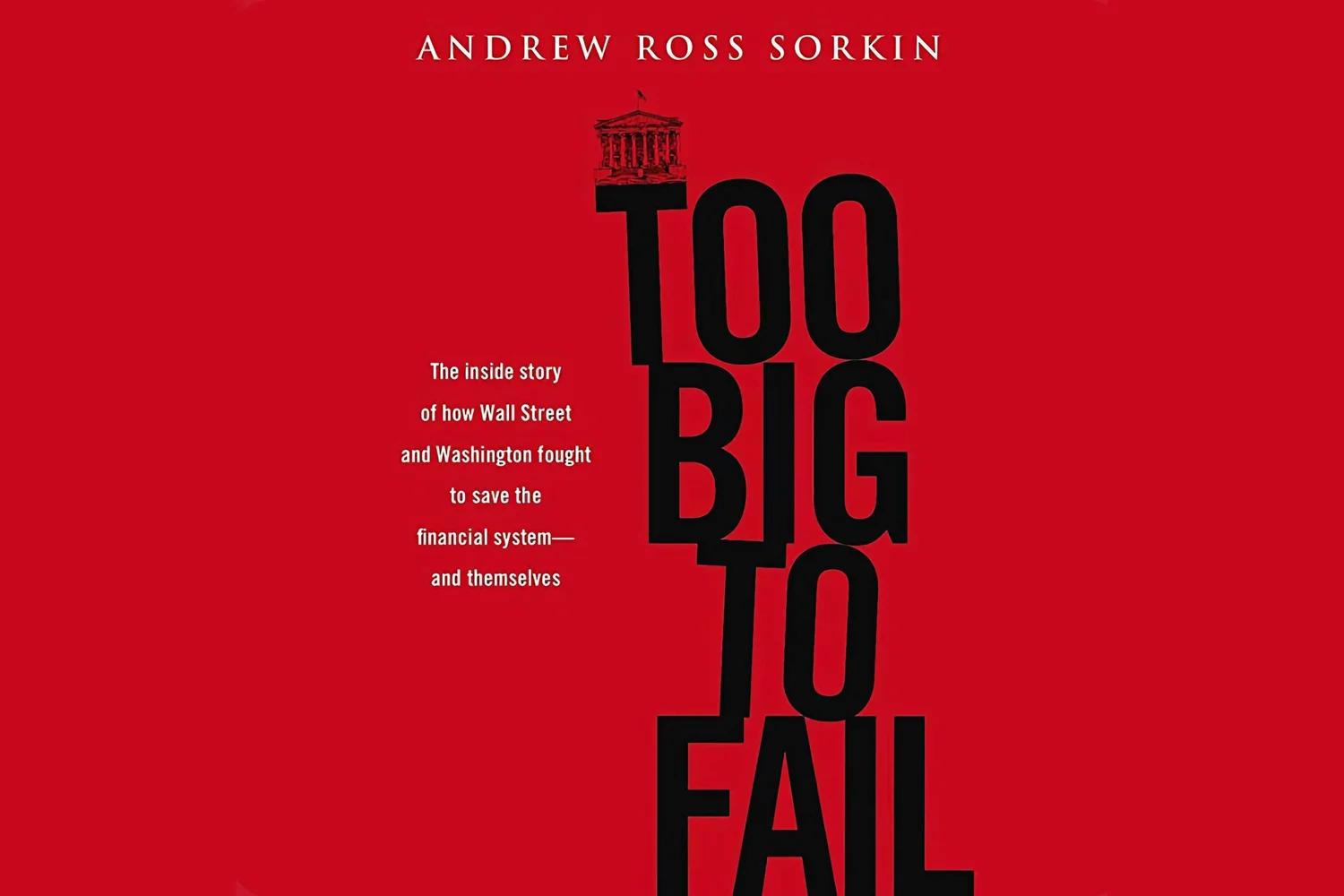
Andrew Ross Sorkin’s Too Big to Fail: The Inside Story of How Wall Street and Washington Fought to Save the Financial System from Crisis — and Themselves promises a detailed, behind-the-scenes look at the 2008 financial crisis. It delivers on this promise, but with a specific focus that may not be what all readers are looking for.
The book isn’t a comprehensive overview of every player in the saga. If you’re looking for the story of figures like Michael Burry, you won’t find his name mentioned even once. Instead, Sorkin provides a gripping, almost play-by-play account from the perspective of the high-level decision-makers: the CEOs of major banks like Jamie Dimon, and the key figures in Washington. It’s a fascinating look at the crisis through the eyes of the people at the very top.
However, this laser focus on the “how” of the rescue efforts comes at a cost. The book largely assumes the reader already has a solid understanding of the “why.” The complex causes of the crisis, the subprime mortgages, the derivatives, the intricate web of financial instruments that led to the crash – are not clearly explained. For a book that spans 600 pages, this feels like a missed opportunity to provide crucial context, leaving a gap for readers who aren’t already well-versed in the topic.
Too Big to Fail is an incredibly long and detailed read. At times, it can feel like it drags, however almost all the information presented is relevant to the high-stakes narrative Sorkin is building.
This isn’t a book for someone casually wanting to learn about the 2008 financial crisis from scratch. But for the right audience; financial fans, or those who already understand the causes and want the granular, inside story of the frantic decisions, power plays, and negotiations that happened at the highest levels, it is an incredible and indispensable read.