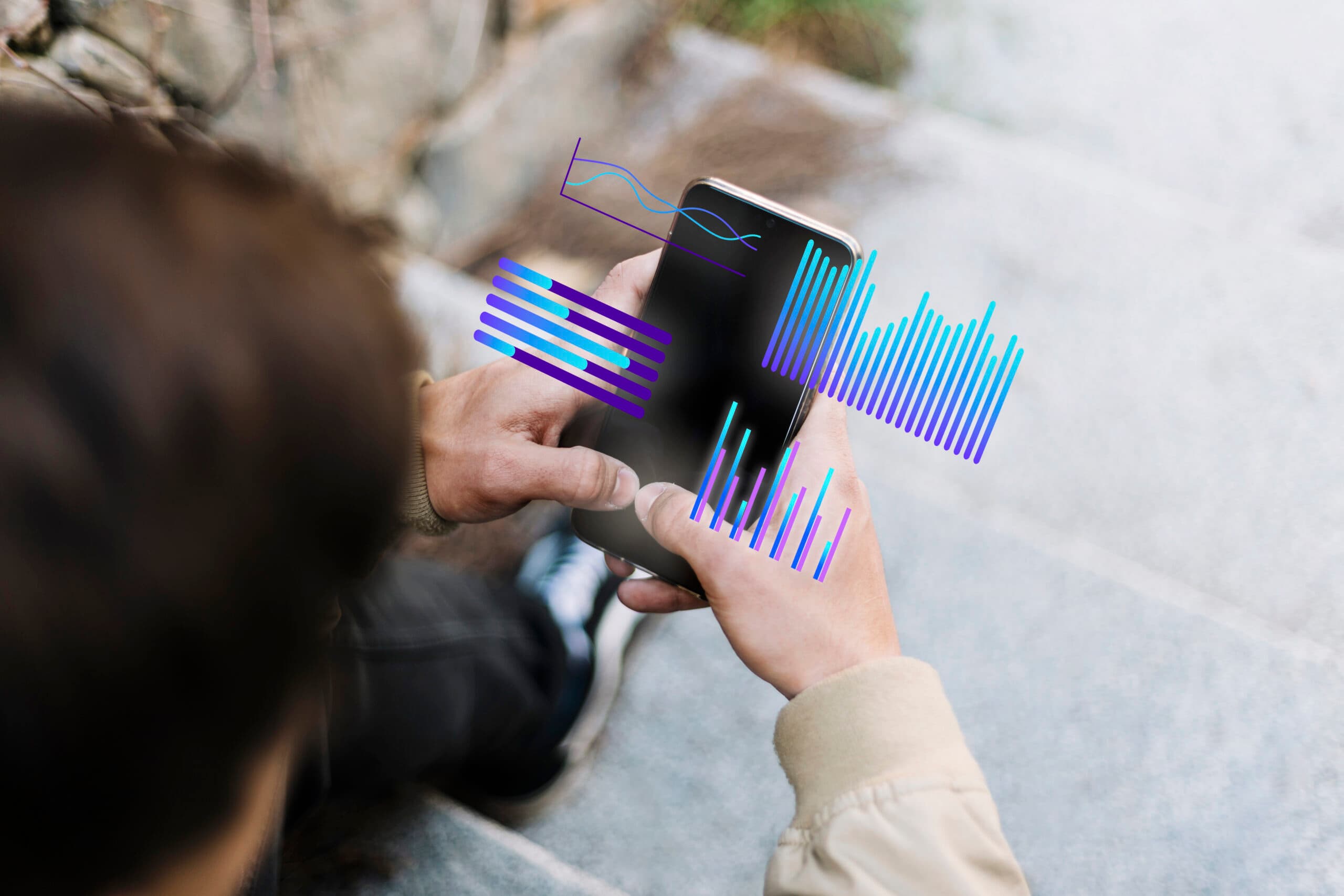
Rear view of a hispanic young man using mobile phone while sitting outdoors
Pop culture used to be shaped by tastemakers, record labels, and slow word of mouth. Now, it’s written by code. Every scroll, tap, and skip feeds the systems that decide what the world listens to, watches, and repeats.
The algorithm doesn’t follow culture anymore; it builds it. What trends on one platform today can turn into a worldwide phenomenon tomorrow, whether it’s a chorus, a meme, or a movie clip.
The Invisible Hand Behind The Feed
The idea of discovery once felt random. People found songs through the radio, friends, or live shows. Now discovery sits in the hands of algorithms. They decide what lands on your screen, what track becomes the next viral sound, and which artist crosses borders overnight.
These invisible curators scan listening patterns, watch time, and social reactions to predict what will hold attention. The more a piece of content keeps people scrolling, the more it spreads. Popularity no longer rises from community taste alone; it’s built through patterns coded to reward consistency and volume.
The Viral Formula
Every platform runs its own rhythm. For instance, TikTok pushes 15-second bursts that favour catchy intros, while YouTube prioritises longer engagement and steady watch time. Spotify analyses skip rates, listening loops, and even the time of day users hit play. Together, they form a loop that determines what the world hears next.
Artists now create with these rules in mind: short hooks, fast intros, repeatable beats. Pop culture moves faster because the algorithm favours what demands less effort from audiences. It rewards content that fits, not necessarily what innovates.
A Detour Into Online Entertainment
This algorithmic influence doesn’t stop at music. It shapes how people spend time online, from short-form clips to quick casino games. For example, listed casinos not on BetStop offer games with faster payouts, crypto options, and minimal restrictions. These platforms appeal to those who prefer entertainment that delivers instant results. It mirrors the same digital rhythm that drives viral content: short attention cycles, quick satisfaction, and constant novelty.
The logic behind both is identical: immediate stimulation keeps people engaged. Whether it’s a song that hooks in five seconds or a game that pays out in moments, the reward loop remains the same.
Online spaces have become mirrors of the same principle. Audiences crave constant feedback and quick pleasure, whether through likes, wins, or new releases. That is why short attention spans now shape entire industries. Marketing, design, and even journalism follow this rhythm of immediacy. People expect results fast and lose interest just as quickly. This new pace may keep content moving, but it also blurs the line between entertainment and habit. Every click feels small, yet together they build the foundation of what defines culture today.
When Algorithms Replace Taste
Once, artists worried about radio play. Now, they worry about the algorithm’s favour. It doesn’t care about legacy or creativity, only numbers. Songs that fail to grab attention in seconds vanish from feeds. Albums turn into singles, and singles turn into ten-second hooks for social platforms. The system rewards trends that repeat, creating cycles where sameness dominates. Cultural diversity becomes harder to sustain when data dictates success.
This influence extends beyond music. Film trailers are cut shorter, and TV series are written with first-episode hooks designed to catch binge-watchers. Even news content follows the same path, trimmed to fit mobile attention spans. The creative process itself bends around algorithmic logic. The result is a landscape where originality competes with predictability, and surprise often loses to what already works.
Can We Still Find Authenticity?
Audiences are starting to notice the pattern. Viral sounds come and go before artists can perform them live. Influencers rise overnight and fade just as fast. Still, a counter-movement grows beneath the surface; niche creators and independent musicians who build loyal communities without chasing algorithmic approval.
They use smaller audiences and direct connections to break the code, proving that authenticity can still thrive even when discovery depends on data. These artists rely on storytelling, live shows, and real interaction rather than predictable trends. Their success is slower, but it often lasts longer.
The Bottom Line
Algorithms didn’t take over culture overnight. People trained them through clicks and shares until they learned what keeps attention the longest. Now, they run the show. The challenge for artists, platforms, and audiences is to remember that code doesn’t define meaning; people do.
Pop culture will always reflect what catches our curiosity, but maybe the next global trend will belong to those who decide to step outside the loop for a while.