Roll the clock back a decade or so, and the idea that premium pay-per-view sports would ever be able to watch on streaming sites such as Netflix seemed like nothing more than a farcical fantasy. Such was the monopoly that sites such as Sky Sports, TNT Sports, and more recently, DAZN, had on the sport of Boxing, it seemed illogical from a financial POV to ever move the house of a sport which has been drawing in upwards of £20-£30 per household, per fight, for 24 hour box-office rentals. So what changed? And why is Netflix now channelling all energy into hosting premium PPV fights, as opposed to renewing licenses on much-loved titles such as The Office, or Orange Is The New Black, which – at one point – seemed untouchable?

THE RISE OF THE ‘PRIZE FIGHTER’
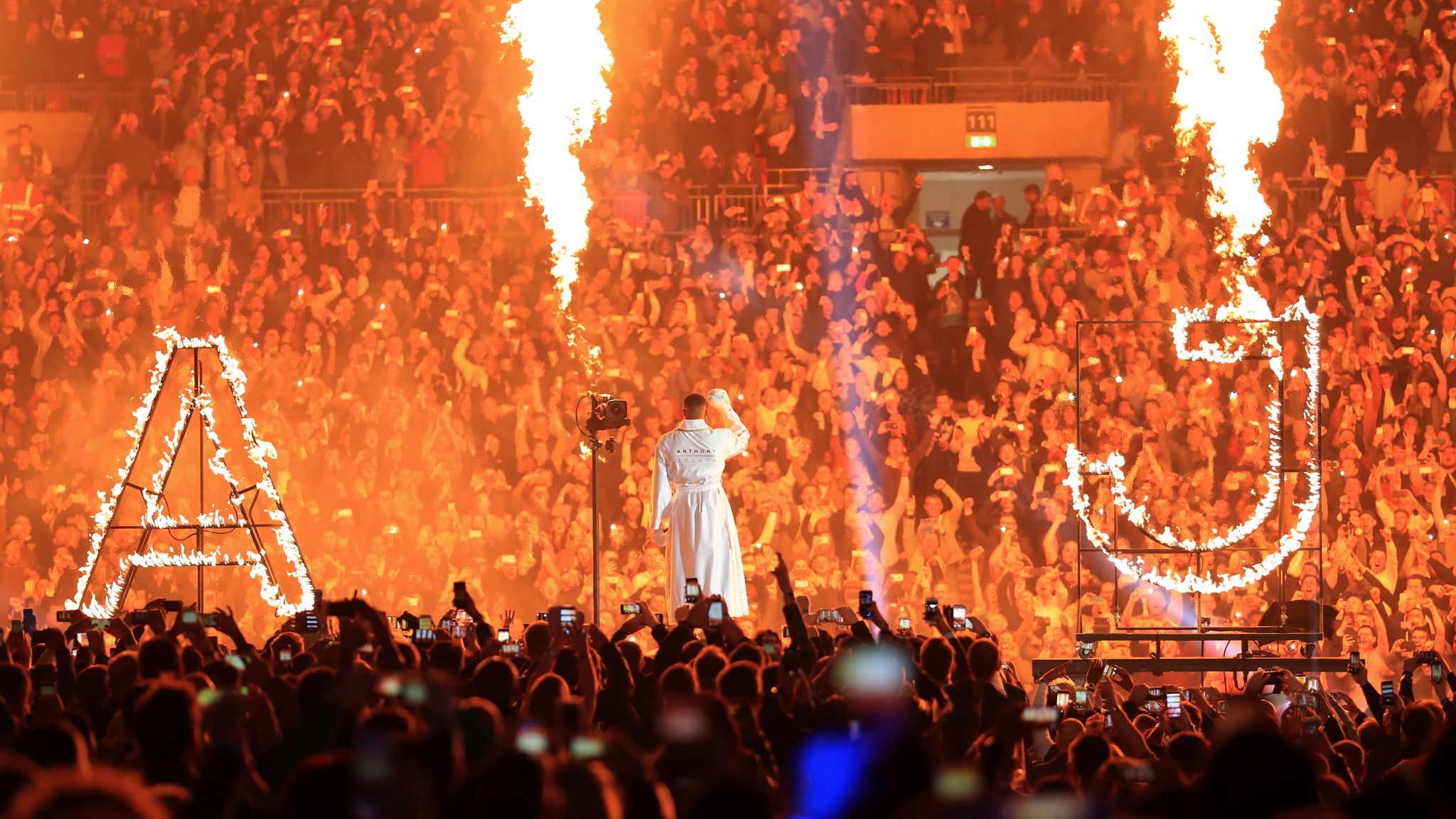
Love him or loathe him, Eddie Hearn‘s impact on boxing has changed the game. From his early days at Matchroom, setting up a stadium fight between Carl Froch and George Groves in 2014, Hearn‘s promotional abilities helped transport the boxing from scraping together a maximum of 10-20k fans in arenas such as the O2, to selling out 90,000 capacities like Wembley. Grooming Anthony ‘AJ’ Joshua as the next superstar of the sport, AJ‘s commercial impact paved the way for fellow Brit, Tyson Fury, and now, Oleksandr Usyk to headline their own stadium shows, making Boxing the most fashionable sport of them all. Combining the glamour of Formula 1, with several A-List celebrities fighting for ringside seats, with the tribalism of hugely successful sports such as Football, Boxing has become the first sport to truly merge into the realm of mainstream entertainment culture thanks to the commercial success, and subsequent sponsorship deals, of these ‘prize fighters’.
CROSSOVER SUCCESS
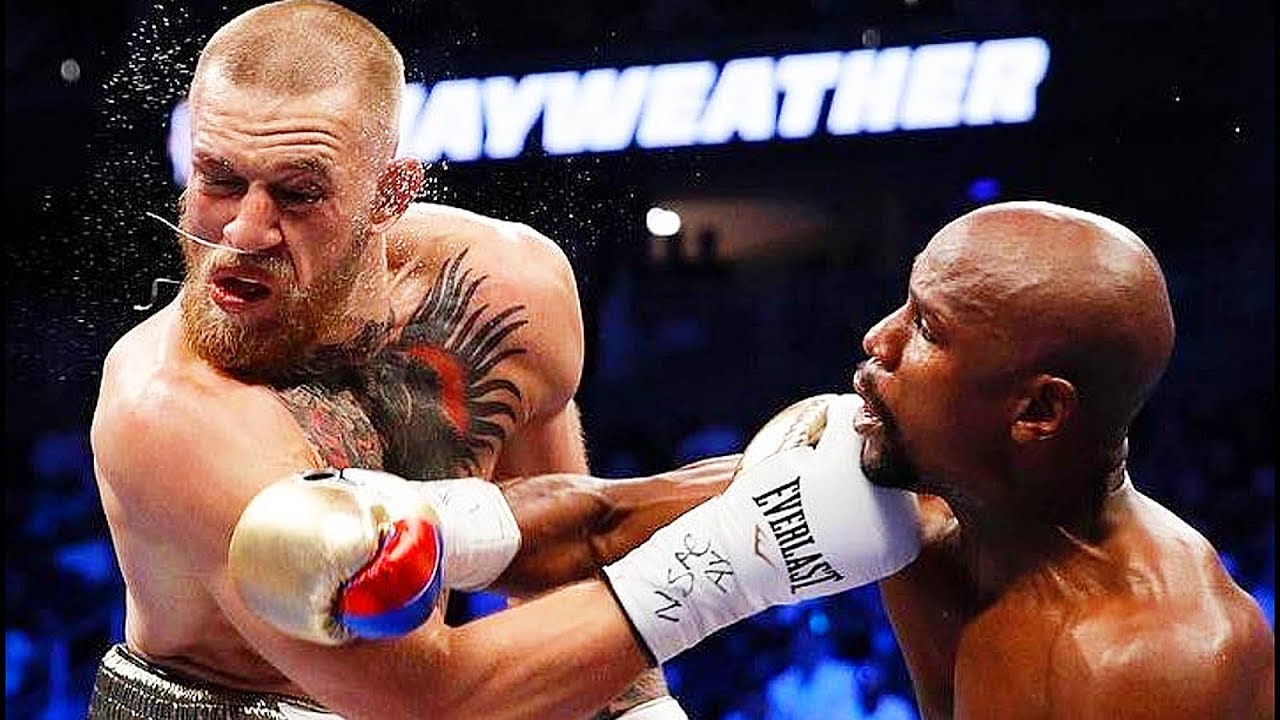
Having racked up 4.6m Pay-Per-View purchases for his long-awaited 2015 clash with Manny Pacquiao, Floyd ‘Money’ Mayweather lived up to his nickname just 2 years later, when he coaxed himself out of retirement to pioneer the move into ‘crossover’ fights, tackling the UFC’s biggest star, Conor McGregor. Whilst the fight itself was a mis-match, the build-up was nothing short of legendary with both charismatic superstars pulling off a supreme worldwide promotional tour, which culminated in an eye-watering 4.3m PPV buys, totalling $396m (USD) in television revenue, alone. Was this the first moment Netflix cast their eyes towards the potential financial windfall, and burgeoning public interest in the sport? Possibly.
THE YOUTUBE ERA
Fast forward to a post-pandemic world where fans were keen to make up for lost time when sporting arenas were closed to the public for the best part of 12-18 months during COVID, who else but Jake Paul started to capitalise, moving away from his YouTube stunts and towards striking deals with sponsors etc for a series of boxing exhibitions with fellow ‘sidemen’ such as KSI, and Tommy Fury. The rise of Paul was meteoric and truly put the ‘all publicity is good publicity’ theory to the test, with boxing purists such as Tony Bellew criticising the way this amateur-level of showmanship was infiltrating the true professional sport. Netflix certainly didn’t see things the same way as Bellew, and made the foray into the market in November 2024, setting up a ‘Youth Vs Experience’ clash between ‘The Problem Child’, and legendary 90s boxer Mike Tyson. ‘Iron Mike’, now 58 in age, looked a shadow of his former self, but 108m people around the world tuned in LIVE on the night to witness the bout, giving Netflix all the validation they needed. These figures were even larger than some of their biggest hit shows and TV series, and so, the future strategy of Netflix was decided.

SO WHAT DOES THE FUTURE HOLD?
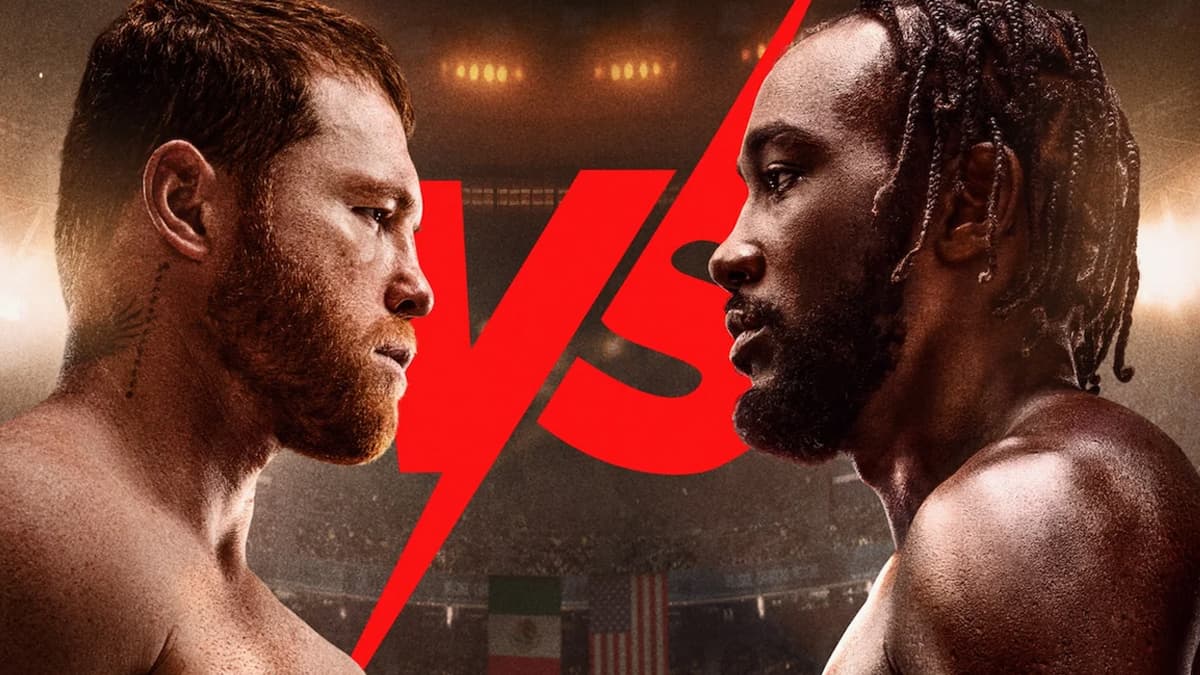
With Turki Al-Sheikh and his seemingly unlimited bankroll on board, anything is possible. The mastermind behind Riyadh Season, has already branched out into Snooker, and many other sports, and has regularly been seen conversing with Cristiano Ronaldo, ringside in Saudi Arabia. With CR7 now residing in Saudi himself, we may even see further sports crossing over to Netflix in the coming months. Promising fans ‘no more Pay-Per-View’ during the recent Usyk Vs Dubois fight, his excellency is more interested in keeping costs down for fight fans, and scooping the cash back through sponsors, who are fighting over one another to secure a primetime slot in such broadcasts, with so many hundreds of millions watching via their Netflix account, worldwide. Though the Canelo Vs Crawford fight didn’t quite descend into ‘SuperBowl’ levels of advertising, we are already seeing more ‘pre-match shows’ with the likes of Liam Gallagher and Eminem performing before big boxing bouts as the sport follows the American sports model of transforming sport, even outside of Las Vegas, into more of an ‘entertainment’ spectacle than anything else. One thing is for sure, whichever way Boxing heads in future, Netflix are here to stay.