Review: More Story Than Science: A Look at ‘Magic Pill’ by Johann Hari
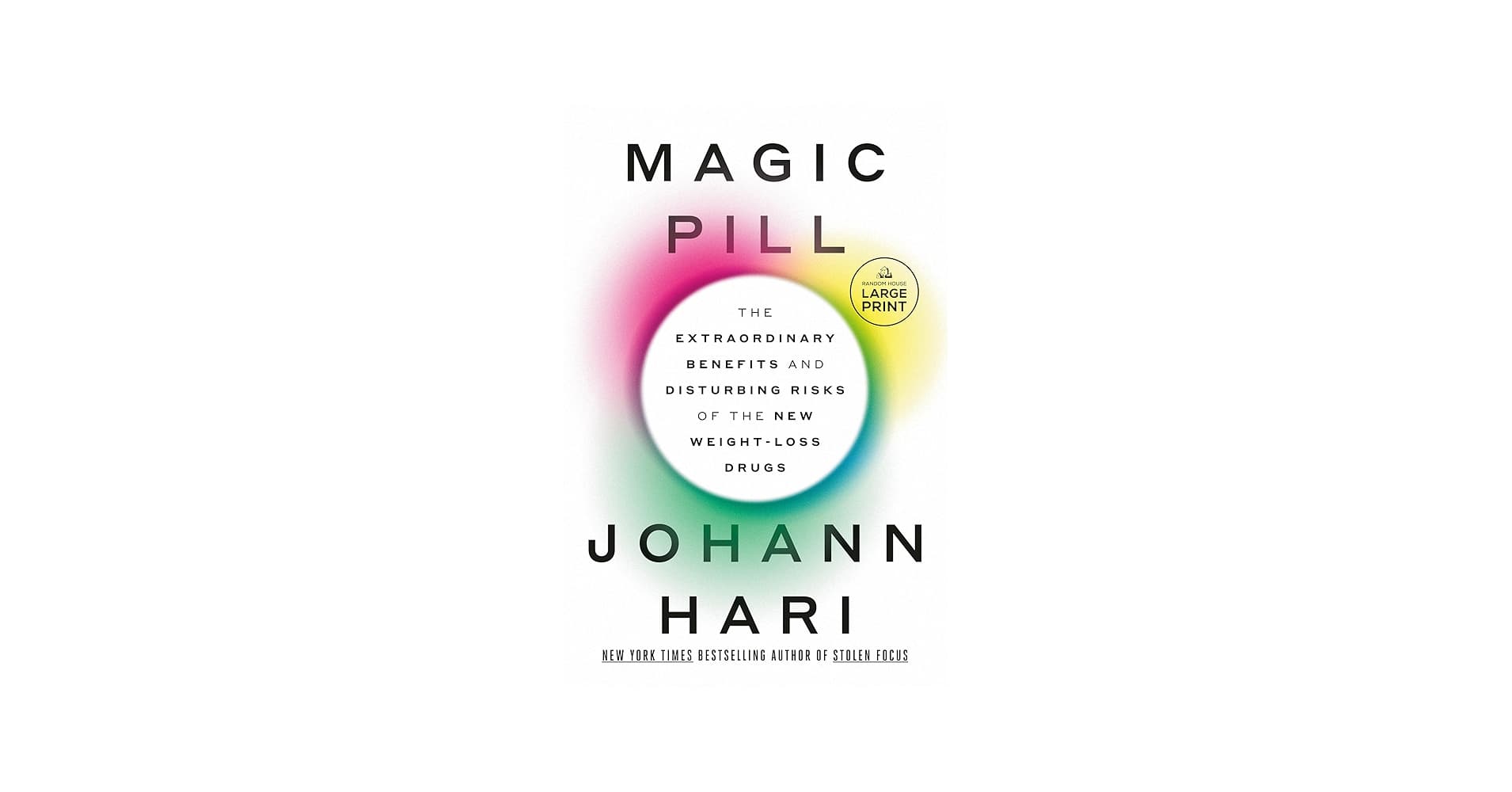
In Magic Pill, British-Swiss journalist and author Johann Hari turns his attention to the exploding phenomenon of GLP-1 agonists, such as Ozempic and Wegovy. Known for his previous bestsellers on depression (Lost Connections) and attention spans (Stolen Focus), Hari tackles the new wave of weight-loss medications that are reshaping the pharmaceutical landscape and society’s relationship with body weight. The book aims to explore the implications of these drugs, balancing their potential to curb the obesity crisis against the unknown long-term risks.
While the book is undeniably well-written and engaging, it might leave readers feeling slightly misled by its subtitle. If you are looking for a rigorous, deep dive into the biochemistry, the complex financial history of Novo Nordisk, or a granular analysis of the science behind GLP-1s, this is not that book. Instead, Magic Pill functions more as a memoir of Hari’s own experience. It is a story about his decision to take the drugs, his motivations, and how they physically and mentally affected him. While he provides clear explanations of what the drugs are and what they do, the narrative prioritizes the personal over the clinical. The ‘Extraordinary Benefits and Disturbing Risks’ promised on the cover often turn out to be the commonly known positives and negatives already circulated in the media, sprinkled with commentary from doctors and the pharmaceutical companies themselves.
Where the book truly spends its energy is on the social and psychological divide between being ‘fat’ and being ‘skinny’. Hari offers a compelling look at the stigma of obesity, exploring how society treats people differently based on size and the internalised shame many carry. He details the strange psychological adjustments required when an appetite that has existed for a lifetime suddenly vanishes and questions what happens to a culture obsessed with food when the desire to eat it is chemically switched off.
Ultimately, Magic Pill is a fluid, readable, and often poignant exploration of weight and self-image. However, it feels like a missed opportunity for those seeking a comprehensive investigative report. It acts more as a diary of a man on Ozempic than a definitive guide to the drugs themselves. If you want to understand the feeling of being on these medications and the societal baggage of weight, this is a worthy read. If you want a technical analysis of the ‘magic pill’ itself, you may find the content thin.