Review: The 21st Edition Of Tomorrowland Proves Why It Remains Unmatched
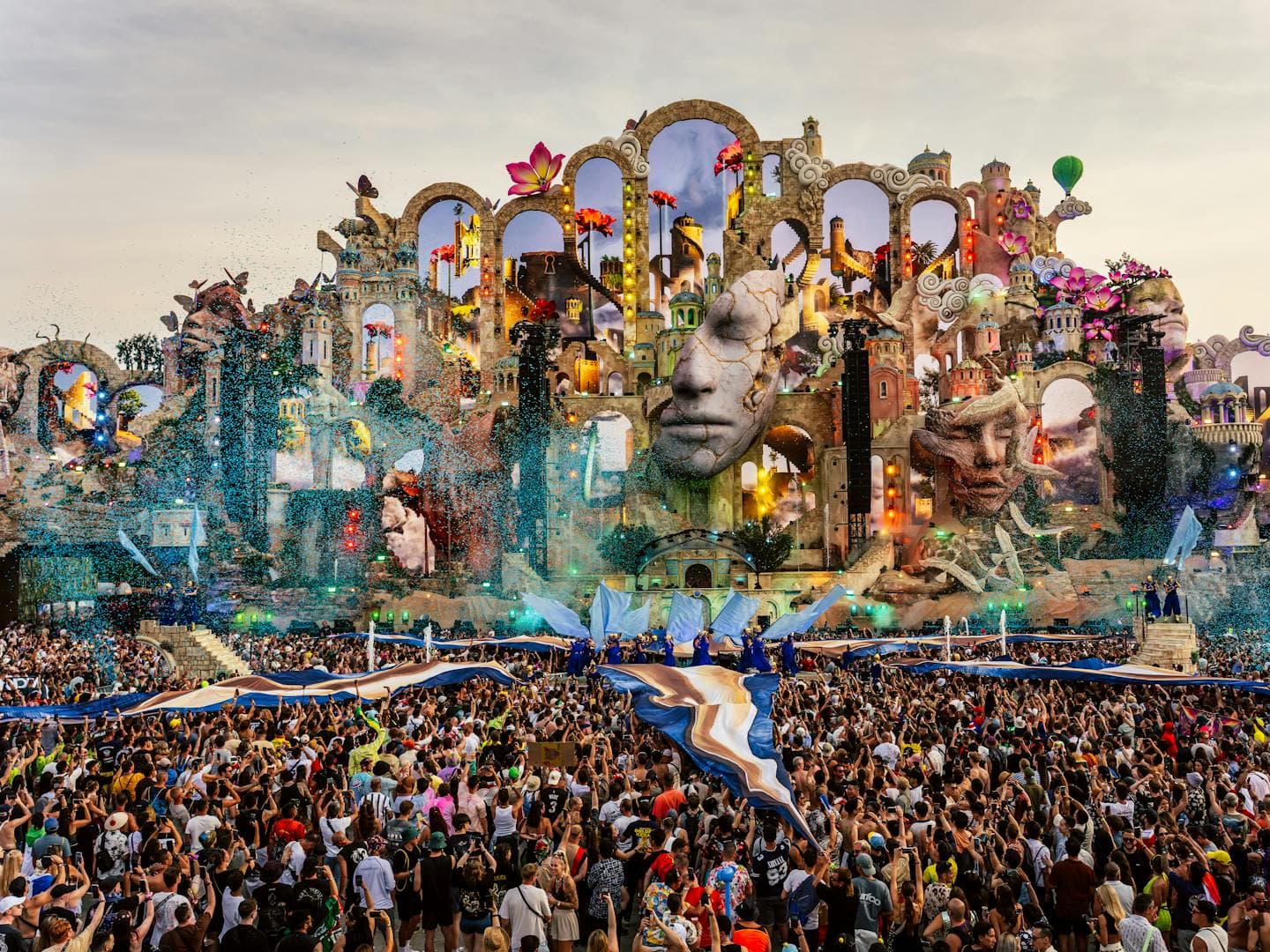
Tomorrowland was back this year for its 21st edition, and it did not disappoint. The event is arguably the best and biggest music festival in the world, remaining a favourite for fans and DJs alike. Following an initial visit the previous year, 2026 reinforced Tomorrowland as the best festival on the planet, especially after experiencing a proper mainstage.
Tomorrowland is a beast of a festival. With thousands of artists, hundreds of thousands of fans, and 16 stages (alongside additional secret ones), the scale is massive. It is a mini city in itself and operates that way, supported by a significant amount of staff. The festival ran like clockwork. There were no delays, issues, or poorly run stages; everything had been meticulously thought out and planned.
The stage design was simply incredible, appearing vast and beautiful. It was a real treat to see a full mainstage after the unfortunate situation the previous year. While it may not have been the best mainstage Tomorrowland has ever constructed, it was still a wonderful visual experience. Beyond the mainstage, the Library stage was also huge, making it refreshing to see such a large structure positioned as a side stage. The Atmosphere stage (the indoor arena) was spectacular, standing three levels high and featuring a huge screen with notably amazing visuals. Crystal Garden’s new design was also pleasant, creating a really cool area for their largely house music offerings.
There were a lot of notable sets, from Steve Angello’s three-hour Crystal Garden performance to Michael Bibi and Kettama’s B2B, to Calvin Harris’ debut in Boom. It was amazing to experience some of these performances for the first time. With so many artists and stages, almost every hour featured something of note for fans of most genres.
One of the best things about Tomorrowland is the people. Attendees unite from all around the world and are always friendly. With the festival being an expensive experience to coordinate, the crowd tends to be a bit more mature and unwilling to risk their trip on any negative behaviour. It was amazing to connect with so many friendly individuals bonding over music, Tomorrowland, and the World Cup.
Outside of the main attraction of the music, there is a lot to explore and experience. The grounds feature multiple proper restaurants, countless food shops, merchandise, brand activations, and interesting pop-ups. To purchase items throughout the grounds, the festival relies on its own currency called Pearls, which can be purchased and then exchanged at vendors. This provided an easy experience and aided in the refund scheme when recycling a cup after a purchase. Psychologically, the system did, in turn, make it easier to spend money without tracking the real cost of things.
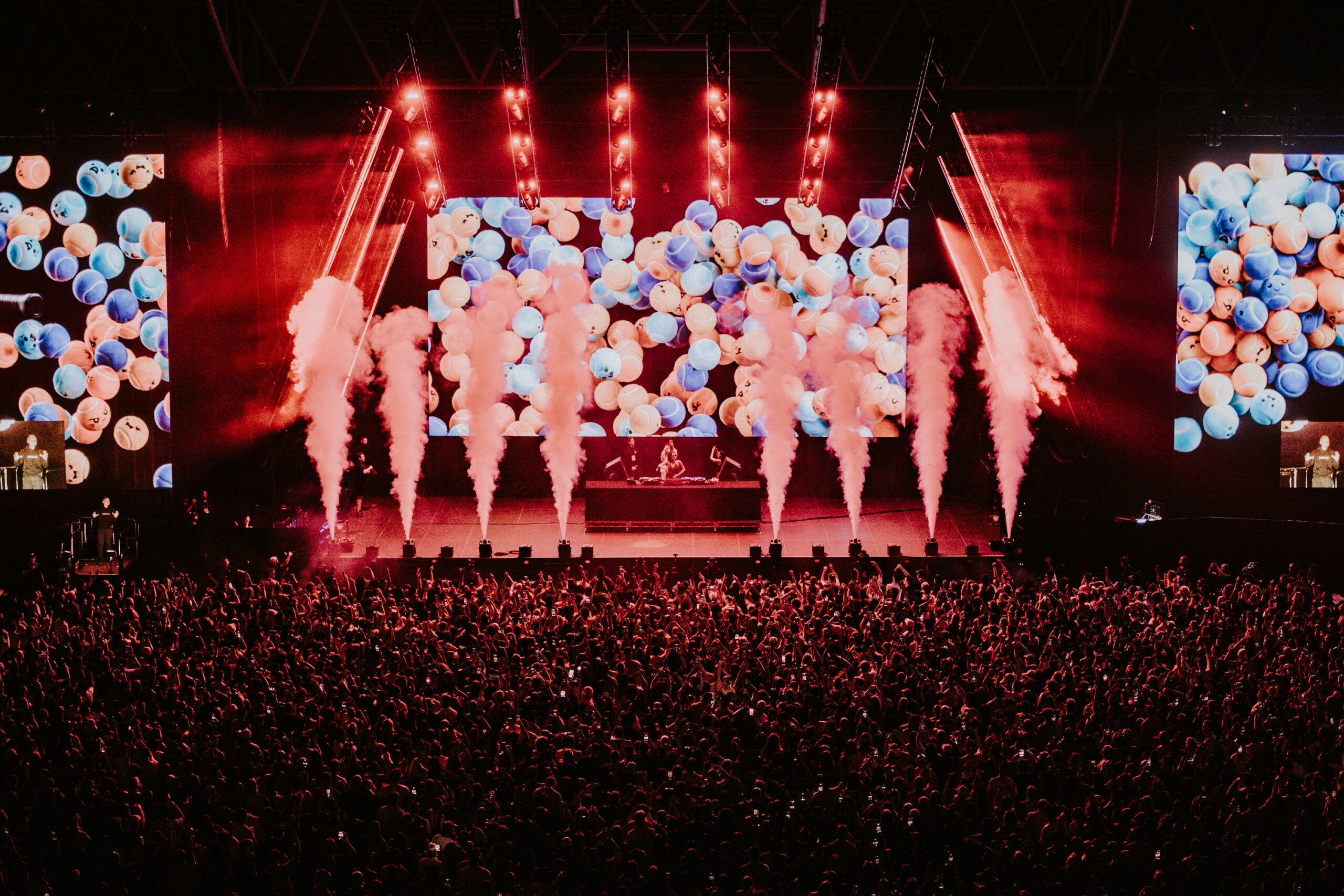
The main negative, which is completely nitpicking, was the lack of fireworks and extensive pyrotechnics. Outside of the festival’s control, a ban was enforced given the dry conditions of the area, which is completely understandable following what occurred the previous year. It was quite anti-climactic with production on the mainstage; certain drops felt underwhelming, and it was clear something was missing. However, it is difficult to complain when the event was otherwise run so flawlessly.
It was also quite unfortunate to see the absence of the Daybreak Sessions, which were slower, longer sets that kicked off the mainstage each day. This time around, they were replaced with Discovery, which seemed to be just ambient music on the mainstage for the first couple of hours without an actual DJ. Compared with the special Daybreak Sessions of the past, it was quite disappointing.
Managing an event of this scale is very difficult, but with 200,000 attendees each weekend, the crowds do get busy. Walking from point A to point B is sometimes very difficult; navigating through or past certain lines for food and stages can be a challenge. It is not clear what the solution is, especially with a potential hundred thousand people moving in the same direction, but it is not enjoyable and does stand out as a slight negative. These negatives are very very minor, and are only brought up as the rest of the festival is run so flawlessly.
Tomorrowland is absolutely the best festival on the planet, and anyone who is a fan of electronic music must add it to their bucket list. It is more than an electronic music festival; it is a cultural phenomenon built around a loving community. Every single thing is done in the Tomorrowland spirit. It is clear that the festival is not necessarily just a money-making exercise; there are clear reasons why the organisers have opted for a more premium, safer experience.